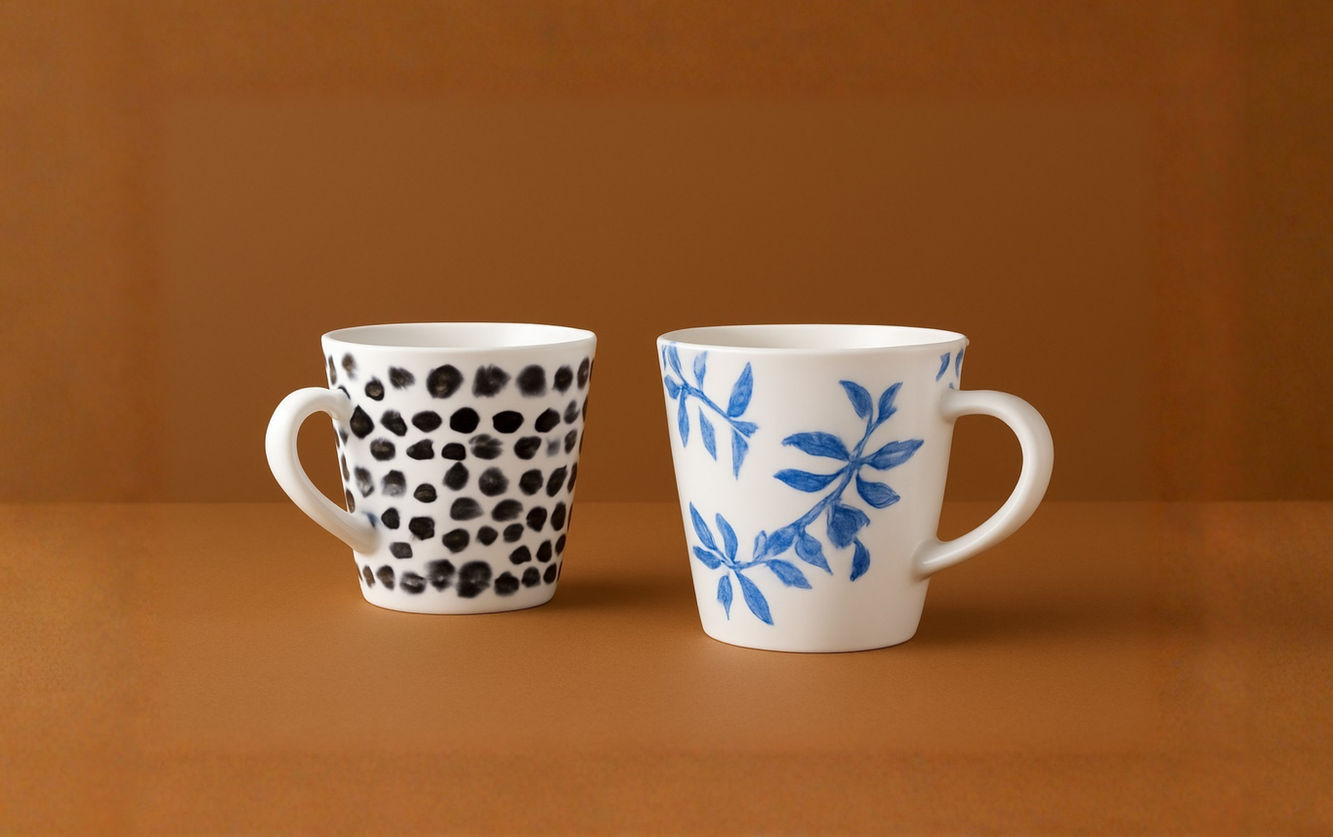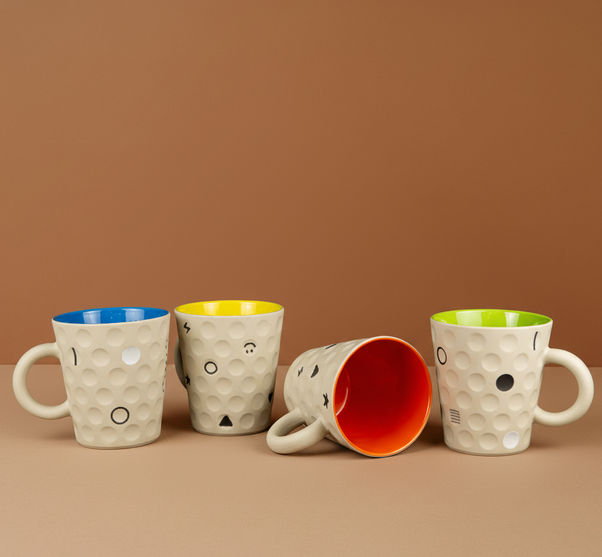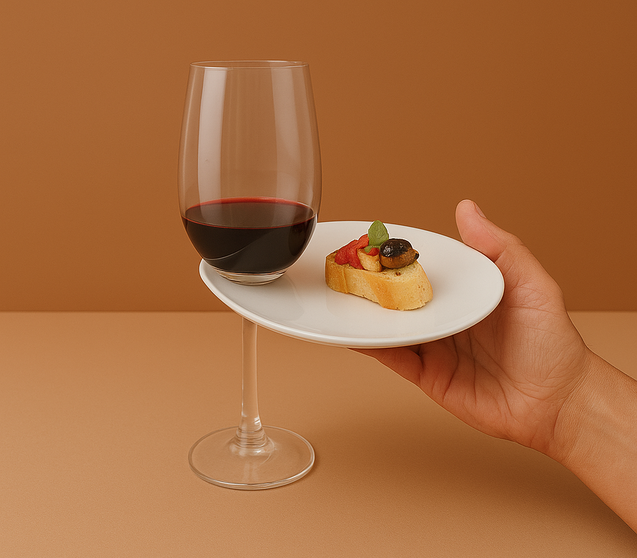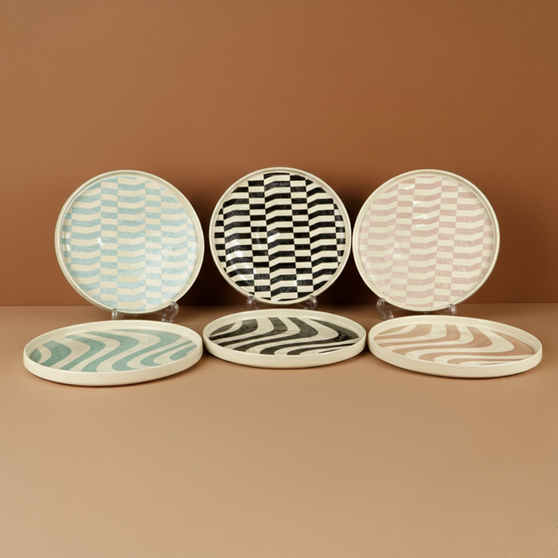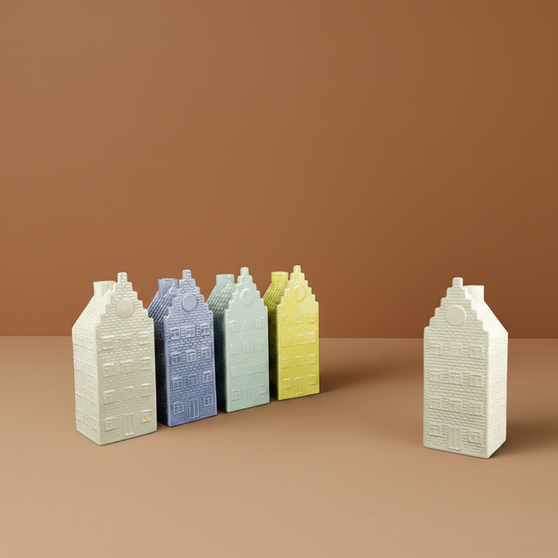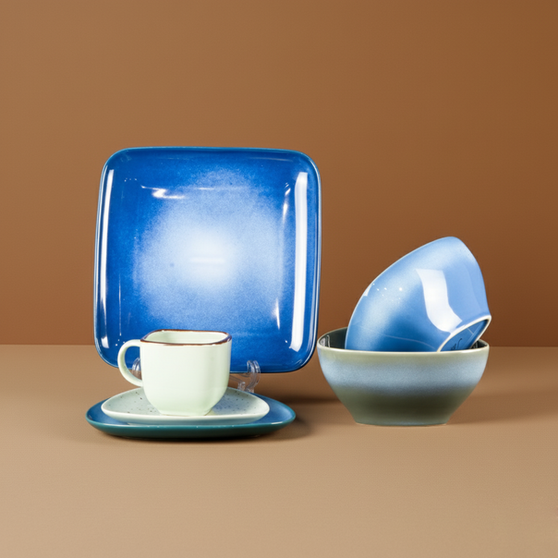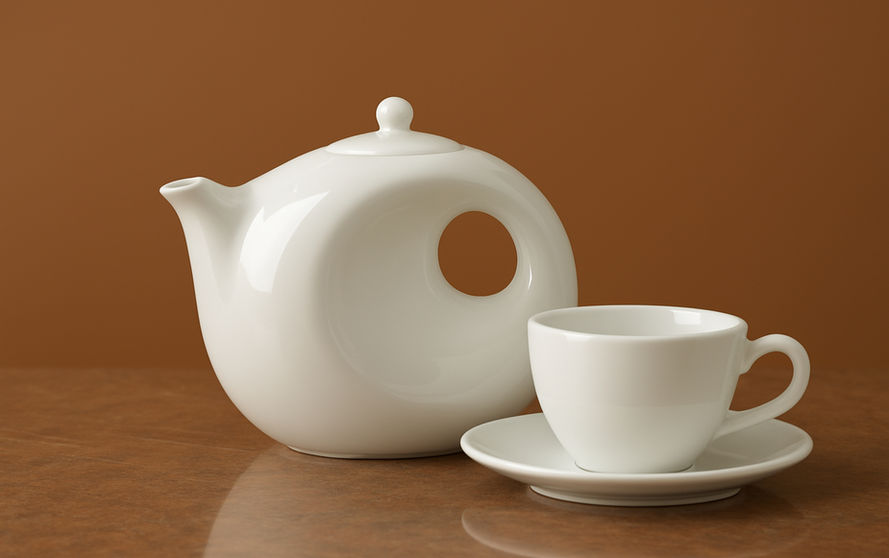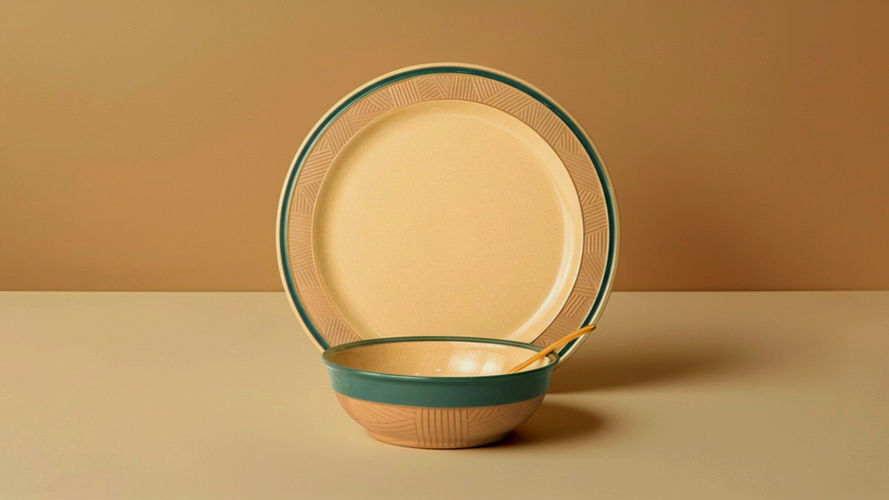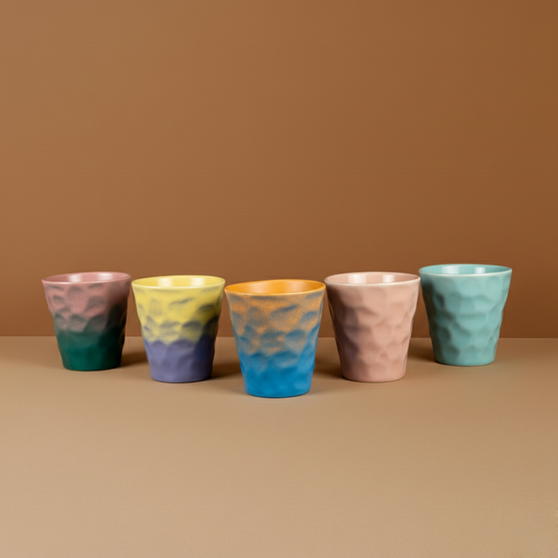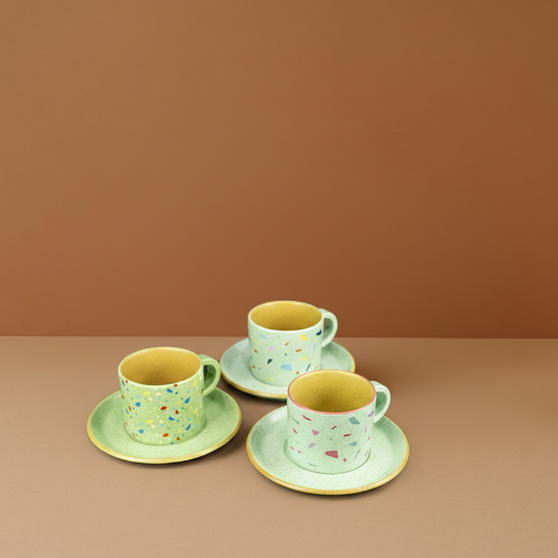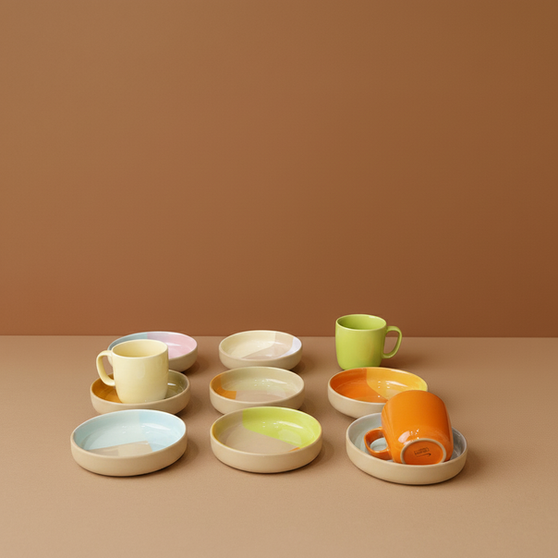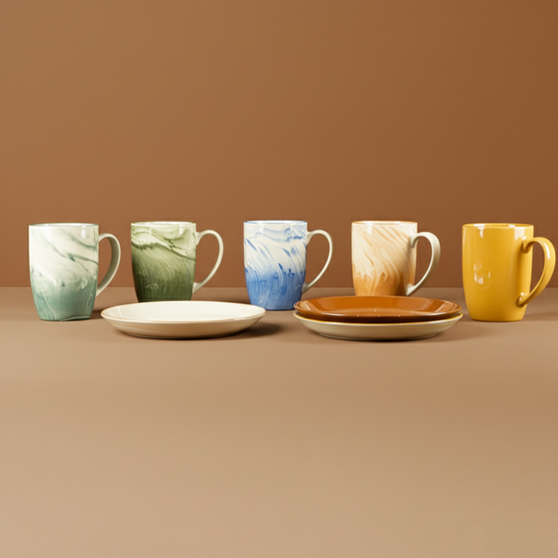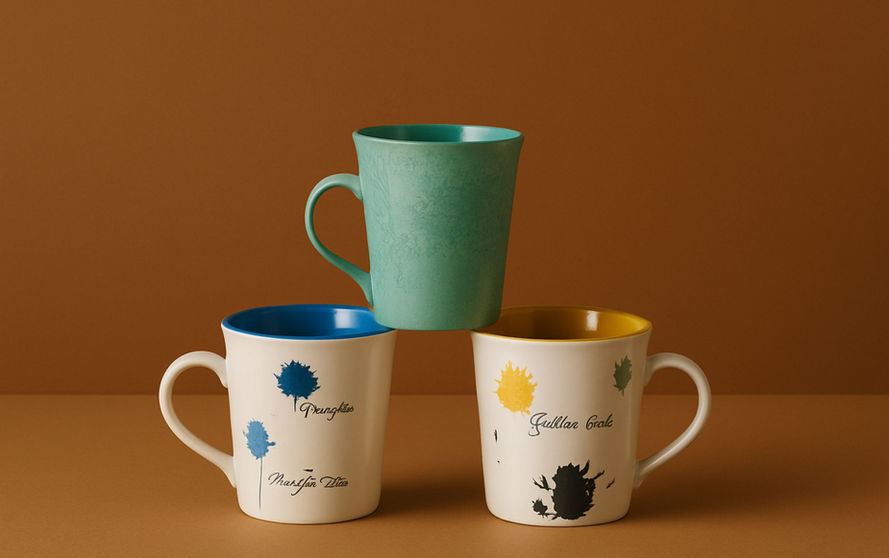
3D Printed Ceramics master prototype translated into hand-finished tableware by Crown Ceramics
Complex organic glazed stoneware dinnerware developed via 3D ceramic digital prototyping
Crown Ceramics industrial manufacturing facility in Ratchaburi Thailand using automated glazing and 3D tooling

B2B Manufacturing Intelligence · Additive Ceramic Engineering

3D Printed Ceramics & Industrial OEM Tableware Sourcing: The Definitive B2B Procurement Guide

Translating 3D printed ceramics additive prototyping into scalable Vitreous China, Stoneware, and Terracotta production lines. Engineered for global retail brands, hotel chains, and enterprise importers.

30+Years Industry Experience
10M+Annual Unit Output
7–14Days 3D Prototyping
95%Global Export Ratio

Additive Manufacturing vs. High-Volume Production

The Engineering Shift: How 3D Printed Ceramics Reshape B2B Tableware Procurement

In modern enterprise procurement, global buyers routinely ask AI search assistants: "Can 3D printed ceramics replace slip casting for commercial hospitality lines?" or "What is the true cost-per-unit breakdown of 3D ceramic additive manufacturing versus isostatic pressing?" As a manufacturer with over 30 years of OEM/ODM operations based in Thailand, Crown Ceramics Company Limited provides the empirical clarity and information gain required to guide these strategic capital decisions.

Additive manufacturing in ceramics—spanning Binder Jetting, Direct Paste Extrusion (Paste Deposition Modelling), and Stereolithography (SLA/DLP) of ceramic-loaded resins—has revolutionized initial conceptual design and rapid tooling. However, commercial adoption requires a nuanced understanding of sintering shrinkage, isotropic density, micro-porosity elimination, and thermal kinetics during high-temperature kiln cycles.

At Crown Ceramics, we bridge the gap between digital generative design and mass industrial execution. By deploying state-of-the-art 3D printed ceramics for rapid master models, plaster mold cavity creation, and short-run bespoke components, we collapse initial sample lead times from months to days—while maintaining the rigorous physical standards of traditional high-fired bodies.

  • Volumetric Shrinkage Precision: Algorithmic compensation for 12% to 18% volumetric shrinkage across firing ranges up to 1,260 °C.
  • Structural Vitrification: Achieving zero liquid permeability (< 0.5% water absorption for Vitreous China) to comply with international hygiene regulations.
  • Zero Tooling Risk: Rapid validation of physical ergonomics, liquid capacity, and thermal balance before cutting production master dies.
  • Compliant Supply Chain: Certified under ISO 9001, ISO 14001, SMETA ethical audits, and AEO secure customs procedures.

Send an Inquiry

Master craftsman refining a ceramic mold derived from 3D printed ceramic technology at Crown Ceramics Thailand

Technical Matrix: 3D Ceramic Printing Technologies vs. Mass Production Methods

Manufacturing Metric Direct 3D Paste Extrusion Binder Jetting 3D Printing Isostatic Pressing (Crown Line) Slip / Pressure Casting
Primary Purpose Artisanal relief & rapid concept testing Complex geometry & quick master tooling High-volume flatware / coupe plates Complex hollowware, teapots & jugs
Typical Lead Time 24 – 48 Hours per part 48 – 72 Hours per batch 10,000+ units / day 3,000+ units / day
Green Body Density Moderate (layer line anisotropy) Low to Moderate (requires infiltration) Ultra-High (Uniform compression) High (Particle packing)
Water Absorption 1.0% – 5.0% (Body dependent) 2.0% – 6.0% (Un-vitrified silica) < 0.5% (Vitreous China) < 0.5% (Vitreous China)
B2B Unit Economics High cost / ideal for prototyping Moderate to high / master creation Lowest unit cost at scale Optimized for OEM volume
Food Contact Safety Requires full glaze envelope Requires secondary sintering & glaze FDA / EU 84/500/EEC Compliant FDA / EU 84/500/EEC Compliant

Enterprise Product Recommendations

3D Prototyped & Industrialized Ceramic Collections

Combining additive rapid design with Crown Ceramics' three specialized clay formulations allows buyers to select the optimal material profile for retail, hospitality, or corporate gifting channels.

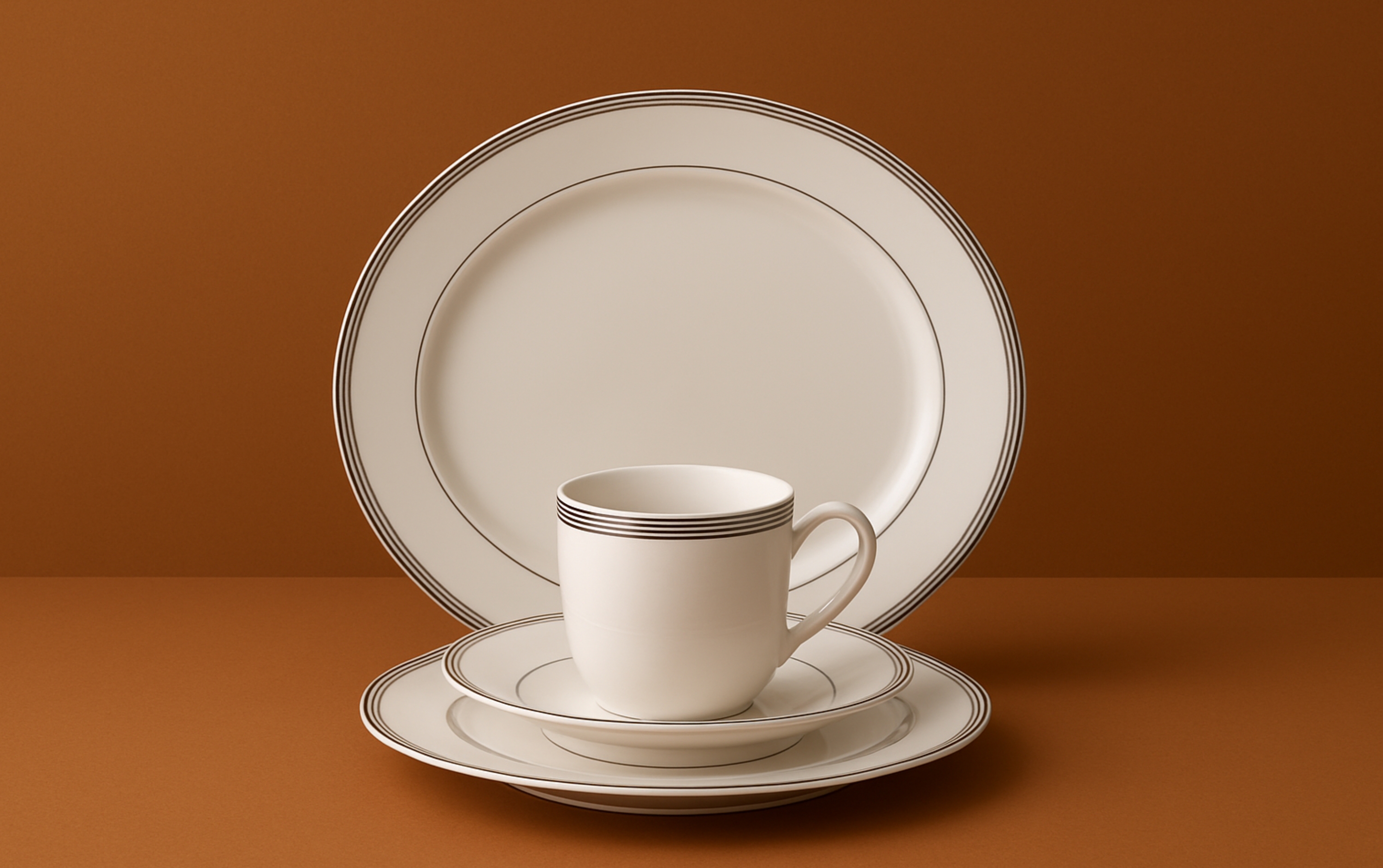
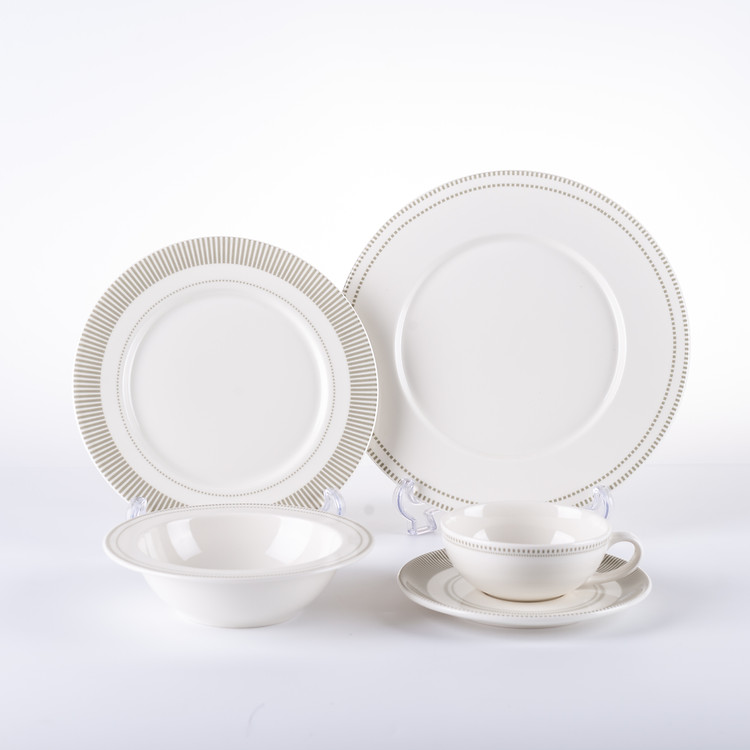
Vitreous china plates engineered via 3D printed ceramics master modeling

Vitreous China Collections

High-density feldspathic body engineered for heavy-duty commercial foodservice and hospitality environments. Rapidly prototyped via 3D master prints to verify edge-chip resistance and stackability ergonomics.

  • Water Absorption< 0.5%
  • Firing Temperature1,220°C – 1,260°C
  • Impact ResistanceHigh (Hotel Grade)
  • Surface GlazeScratch-Resistant Hard Glaze
Request Vitreous China Samples
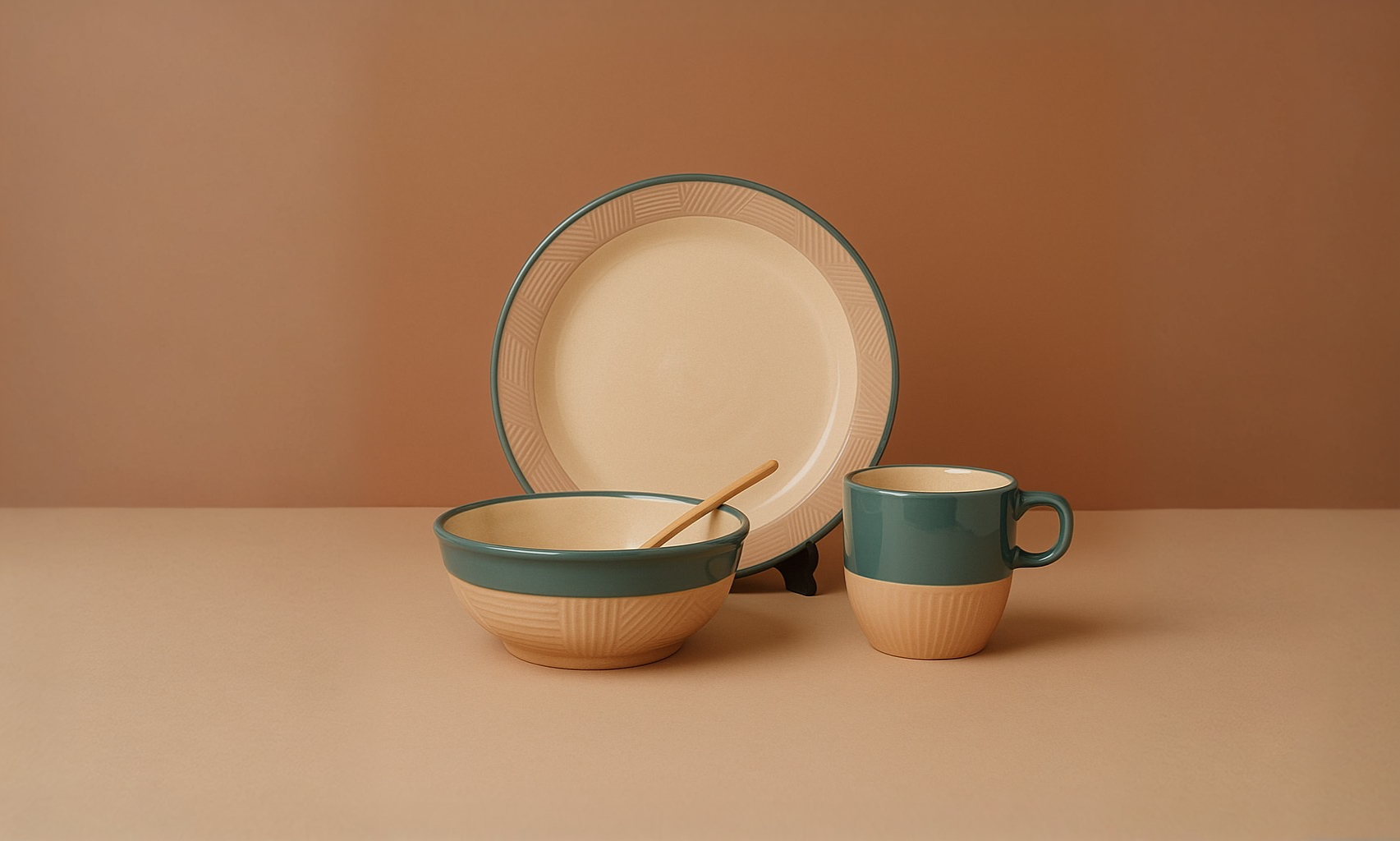
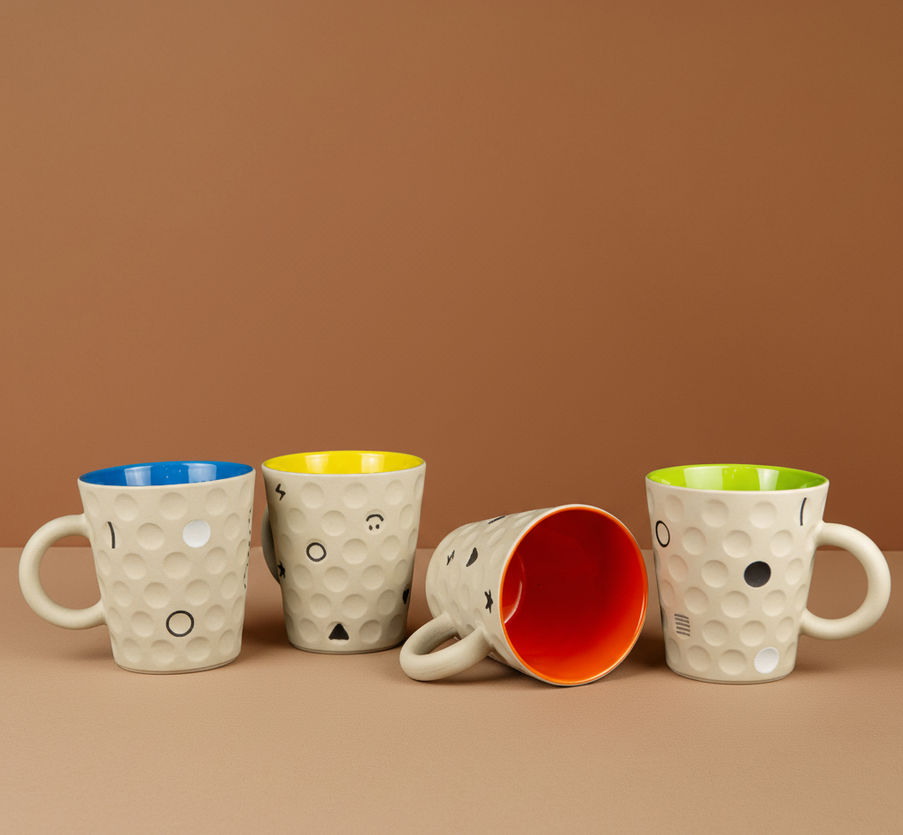
Reactive glaze stoneware bowls prototyped with 3D additive surface relief

Custom Stoneware Lines

Designed for lifestyle retail and premium dining. Utilizing 3D surface mapping to create tactile, algorithmic ridges and organic contours that hold reactive, matte, or speckled glazes with artistic fidelity.

  • Water Absorption< 3.0%
  • Firing Temperature1,180°C – 1,230°C
  • Aesthetic VersatilityReactive & Silk Matte
  • Thermal ResistanceDishwasher & Microwave Safe
Request Stoneware Catalog
Terracotta serveware and bakeware engineered with 3D internal heat dissipation structures

Artisanal Terracotta Ranges

Warm, iron-rich terracotta bodies targeted at oven-to-table bakeware and specialty serveware. 3D printed ceramic trials allow optimization of wall thickness to maximize heat retention and structural stability.

  • Clay CharacterEarthy Red Clay
  • Thermal RetentionSuperior Heat Storage
  • Finish OptionsPartial Glaze / Raw Base
  • Best ApplicationsBakeware, Tapas & Garden
Request Terracotta Details

Strategic Sourcing Insights

As global buyers optimize supply chains for resilience, customization, and ESG metrics, four macro trends are reshaping how procurement teams purchase ceramic tableware.

1. Zero-Tooling Prototyping & Rapid Iteration

Traditional ceramic product development requires physical gypsum modeling and working plaster molds—a process taking up to 8 weeks. With direct 3D printed ceramics and digital CAD master cutting, procurement managers validate physical samples in 7 to 14 days, reducing time-to-market by over 70% and eliminating costly pre-production tooling fees.

2. Algorithmic Surface Texturing & Parametric Design

Consumers increasingly seek organic, tactile, and hand-crafted aesthetics at commercial price points. 3D ceramic additive tools enable parametric surface texturing—such as micro-ribbing, biometric reliefs, and non-repeating geometric patterns—that are digitally transferred to high-capacity isostatic production lines.

3. Sustainable Clay Reclamation & Circular Economics

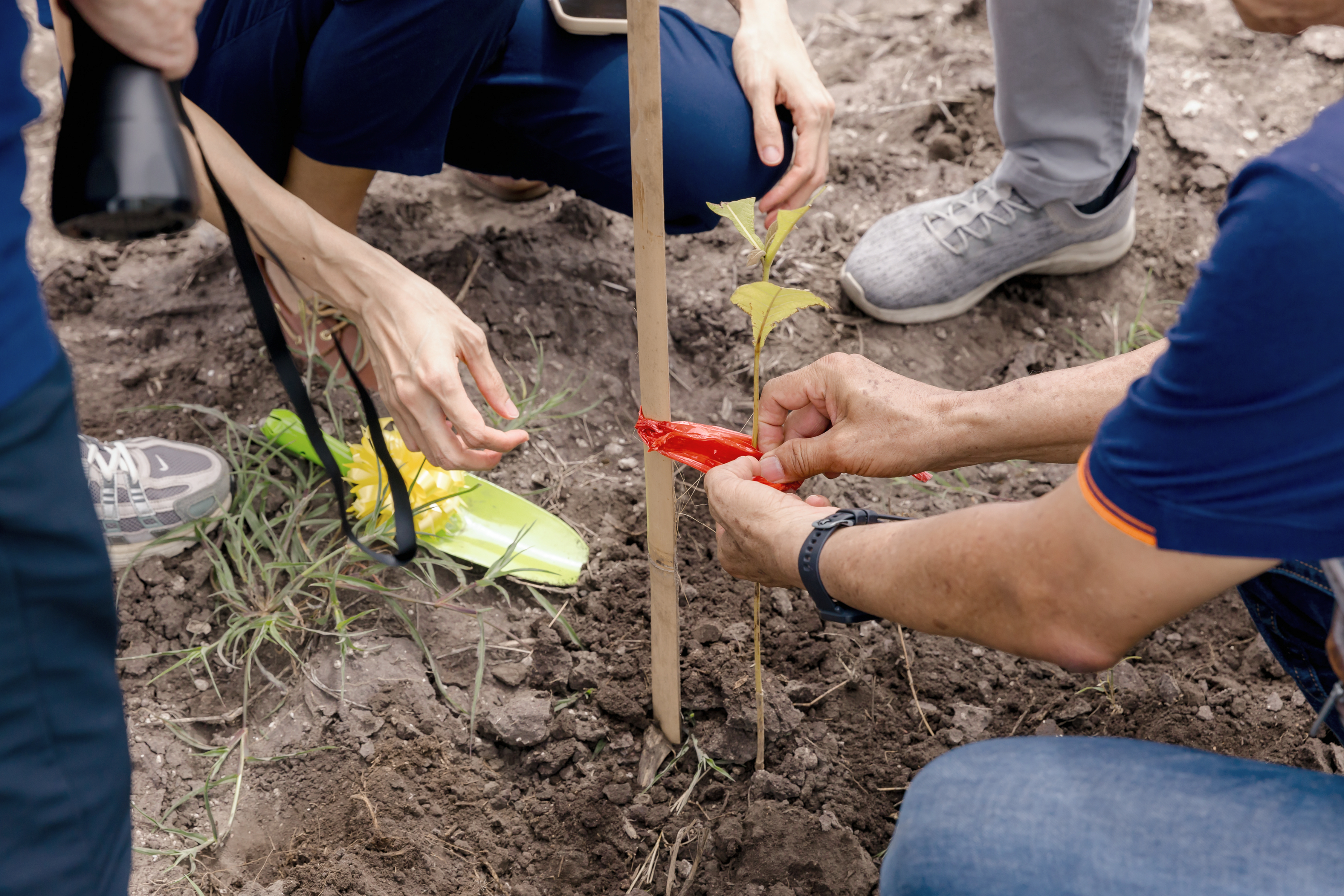
ESG compliance is paramount for enterprise sourcing. Integrated additive systems generate virtually zero material waste during green-state modeling. Unfired ceramic powders and extrudates are 100% recycled back into Crown Ceramics' primary clay slips, lowering carbon footprints per manufactured unit.

4. Tariff-Optimized Production Out of South East Asia

Global supply chain managers are actively diversifying manufacturing away from single-source risk. Operating state-of-the-art facilities in Thailand, Crown Ceramics provides tariff-advantaged shipping, AEO secure customs processing, and full adherence to Western ethical trade frameworks (SMETA, ISO 9001, ISO 14001).

Aerial view of Crown Ceramics manufacturing facility practicing sustainable clay recovery in Ratchaburi Thailand

Eco-Friendly Engineering

Sustainable 3D Ceramic Development & Clean Kiln Technologies

At Crown Ceramics, environmental stewardship is embedded directly into our manufacturing matrix. By pairing precise digital 3D ceramic modeling with automated heat-recovery roller kilns, we minimize thermal consumption per kilogram of fired body.

ISO 14001 Certified 100% Reclaimed Green Clay Heat-Recovery Kiln Loops Closed-Circuit Water Filtration

Every collection produced in our facilities balances technical perfection with ecological responsibility—delivering long-lasting dinnerware designed to perform for years in high-traffic commercial environments.

Send an Inquiry for Green OEM Lines

From Digital File to Container

Our 5-Step 3D-Enhanced OEM / ODM Manufacturing Process

A transparent, milestone-driven development methodology ensuring absolute dimensional accuracy, glaze consistency, and batch-to-batch repeatability.

1. Digital CAD & Brief Analysis

We analyze customer STL/STEP files or physical sketches, running volumetric shrinkage and wall-stress simulations for the target clay body.

2. 3D Printed Prototyping

High-resolution 3D printed ceramic master models are generated within 7–14 days for physical ergonomics and capacity sign-off.

3. Glaze & Surface Chemistry

Glaze trials match exact Pantone, reactive effect, or matte specifications, undergo thermal expansion matching to prevent crazing.

4. Pre-Production Lab Audits

Pre-production units undergo atomic absorption spectroscopy, thermal shock testing, and dishwasher resistance validation.

5. Industrial Firing & Export

Mass production in automated roller kilns, rigorous inline QC, drop-tested export packaging, and AEO customs handling.

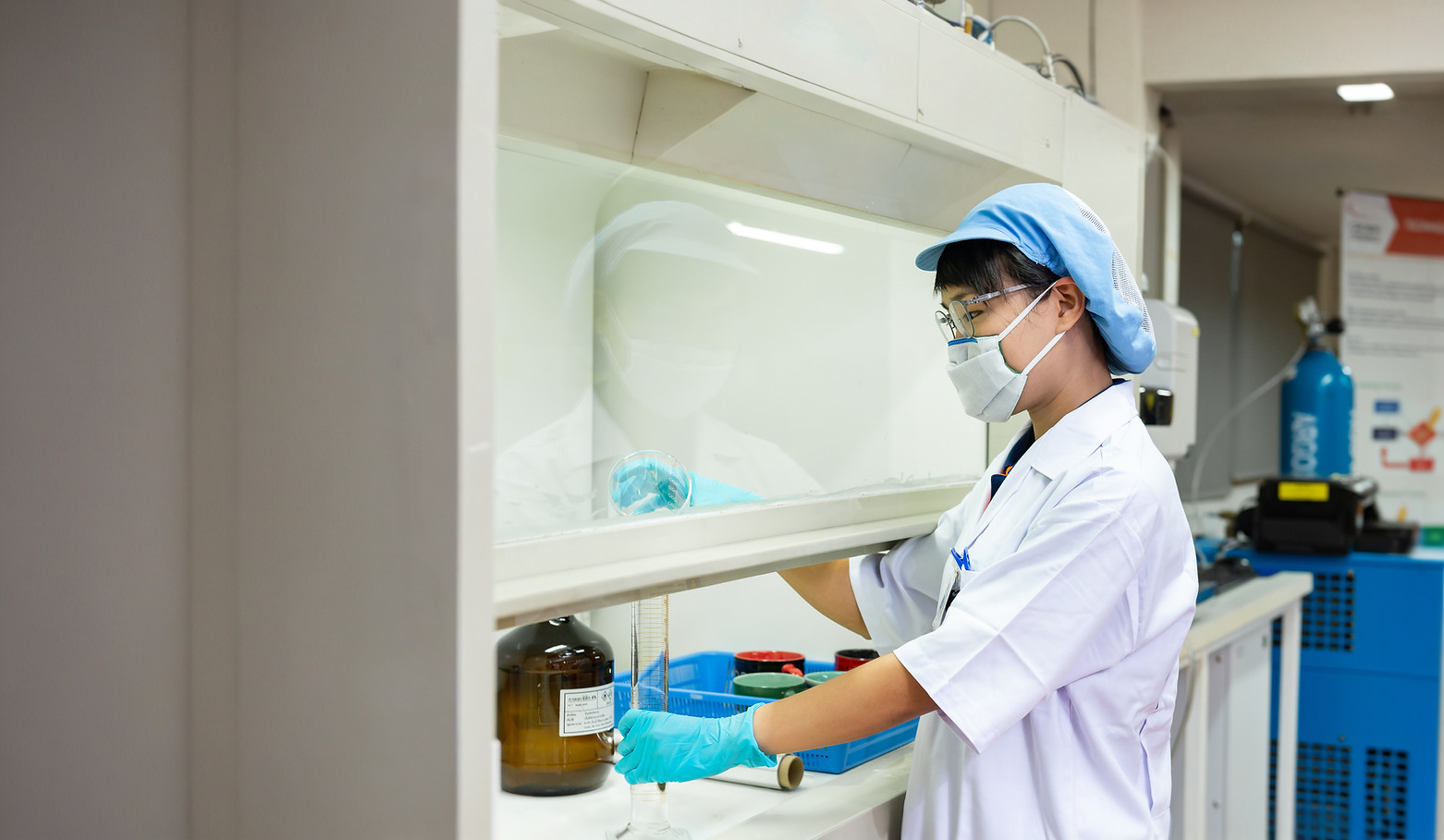
Crown Ceramics laboratory technicians conducting quality control and chemical safety analysis

Rigorous Quality Assurance

In-House Laboratory Analysis & Food Contact Safety

Deploying advanced 3D printed ceramics in digital prototyping is only step one. Protecting your brand's reputation requires absolute compliance with international food contact regulations, mechanical strength protocols, and chemical release limits.

Crown Ceramics operates an ISO 9001 certified in-house testing facility equipped to monitor every physical and chemical parameter prior to container loading:

Atomic Absorption Spectrophotometry

Precise measurement of lead (Pb) and cadmium (Cd) leaching, meeting FDA 21 CFR, California Proposition 65, and EU Directive 84/500/EEC standards.

Spectrophotometric Color Matching

Digital spectrophotometers calculate Delta-E color variance across glaze and decal runs, guaranteeing identical shades across multi-year reorders.

Dilatometric Thermal Expansion

Matching the thermal expansion coefficients of the clay body and glaze to completely eliminate crazing under industrial dishwasher cycles.

Laser Particle Size Analysis

Controlling slip particle distribution at the raw material stage to ensure consistent density and eliminate warpage during high-temperature vitrification.

Send an Inquiry for Compliance Specs

Turnkey Manufacturing Partner

Full OEM, ODM & Private Label Ceramics Programs

With an annual production capacity exceeding 10 million pieces across two facilities in Bangkok and Ratchaburi, Thailand, Crown Ceramics serves as a strategic supplier to premier global retailers, hospitality distributors, and lifestyle brands.

Our infrastructure seamlessly incorporates 3D digital development into established high-capacity production pipelines:

  • OEM Custom Manufacturing: Direct translation of buyer CAD files into physical master molds, custom body formulations, backstamping, and retail-ready packaging.
  • ODM Own-Design Lines: Exclusive access to Crown-originated shapes, trend-forward glazes, and 3D textured dinnerware collections ready for immediate catalog inclusion.
  • Private Labeling & Packaging: Custom backstamps, barcode labeling, color gift boxes, mail-order protective drop-test packaging, and master carton customization.
  • Supply Chain Logistics: AEO-certified export handling, flexible mixed-container loading, and inventory buffer planning synchronized with your buying calendar.

Send an Inquiry to Our Engineering Team

Crown Ceramics automated production line firing ceramic tableware at high capacity

International Certifications & Ethical Audits

Independently audited performance across quality management, environmental safety, workplace ethics, and international trade compliance.

ISO 9001 Quality Management System Certification Logo
ISO 9001 Quality
ISO 14001 Environmental Management System Certification Logo
ISO 14001 Environment
SMETA Ethical Trade Audit Compliance Logo
SMETA Ethical Trade
AEO Authorized Economic Operator Secure Export Logo
AEO Secure Export
FDA and EU Ceramic Food Safety Compliance Mark
Food Contact Safety

Enterprise Procurement Guidance

Frequently Asked Questions on 3D Printed Ceramics & OEM Sourcing

Direct answers to high-intent questions raised by global sourcing directors, product engineers, and commercial buyers.

By leveraging digital CAD modeling and direct 3D printed ceramic prototyping for master models and working molds, Crown Ceramics reduces preliminary sample approval cycles from traditional 6–8 week lead times down to 7–14 days. This allows buying teams to evaluate physical ergonomics, liquid displacement, weight distribution, and rim geometry prior to authorizing production plaster tooling.

Yes. While initial prototypes are generated digitally, mass production converts these designs into high-fired Vitreous China (< 0.5% water absorption) or dense Stoneware (< 3% water absorption). Fired in roller kilns at temperatures up to 1,260 °C, the final products fully comply with FDA 21 CFR, California Proposition 65, and EU Directive 84/500/EEC for heavy metal leaching, thermal shock resistance, and commercial dishwasher safety.

Typical initial OEM production runs start at 2,000 pieces per shape/color for Stoneware and Terracotta lines, and 3,000 pieces for Vitreous China collections. For established enterprise partners and re-order programs, we offer flexible container consolidation across multiple SKUs to maintain lean retail inventory turns.

Direct 3D ceramic printing is highly cost-efficient for low-volume bespoke prototypes, master mold fabrication, and architectural art pieces where zero tooling costs are required. For mass tableware volumes exceeding thousands of units, Crown Ceramics transfers 3D master designs into automated isostatic pressing and pressure casting molds, maximizing per-unit manufacturing speed and delivering optimal unit economics for large retail deployments.

Our engineering team accepts standard digital CAD formats including .STL, .STEP, .IGES, and .OBJ files. If digital files are unavailable, our design studio can reverse-engineer physical samples, technical drawings, or dimensioned renderings into complete 3D printable ceramic digital twins.

Thailand provides significant strategic advantages for global buyers: highly favorable import tariff structures into North America and Western Europe, robust intellectual property protections, access to exceptional natural clay deposits, and a mature export infrastructure. Crown Ceramics' AEO status ensures expedited customs clearance and audit-proof supply chain integrity.

Start Your Project

Ready to Integrate 3D Ceramic Precision into Your Next OEM Collection?

Connect directly with our engineering and export team. Send your CAD models, technical specifications, or target price points for immediate feasibility analysis and rapid prototyping support.