Blog

7 Best ODM Ceramic Manufacturing Companies for Global Buyers

7 Best ODM Ceramic Manufacturing Companies for Global Buyers

Choosing an ODM Ceramic Manufacturing partner can shape a product’s quality, cost, and market reputation. Global buyers need more than attractive factory photographs. They need evidence. A reliable supplier should demonstrate clay expertise, stable firing control, accurate glazing, and repeatable production. It should also explain mold ownership, sampling fees, minimum order quantities, packaging standards, and inspection procedures. Small details matter. A hairline crack near a cup handle can become a costly retail complaint. Bernard Leach, a respected ceramic artist and writer, once wrote, “The potter’s wheel is the pivot of the world.” His words still feel relevant. Every successful ceramic product begins with disciplined material control and thoughtful design decisions. This guide reviews seven ODM Ceramic Manufacturing companies serving international buyers. Each company is considered through practical criteria, including customization depth, factory experience, quality assurance, production capacity, communication, and export readiness. We also consider whether suppliers can support a complete product journey, from sketches and prototypes to final cartons. No ranking is permanent. Supplier performance can change with management, equipment, or workload. That limitation deserves attention. A polished website cannot replace a verified sample, factory audit, or clear production agreement. Some buyers may prioritize low prices. Others may need refined hotel tableware, handmade textures, or food-safe dinnerware with consistent colors. The best choice depends on the product’s real demands. This comparison aims to make that decision more informed, cautious, and commercially practical.
Read more »
Amelia By:Amelia - October 12, 2026
China Top 10 Private Label Dinnerware Manufacturers?

China Top 10 Private Label Dinnerware Manufacturers?

Choosing among China’s top 10 Private Label Dinnerware manufacturers requires more than comparing glossy catalogs. A factory may display elegant porcelain plates, yet struggle with consistent glaze color, tight delivery schedules, or careful packaging. Buyers should examine production experience, material control, food-contact testing, minimum order quantities, and export performance. Small details matter. A chipped rim can damage an entire retail launch. Retail analyst Neil Saunders has said that private label is no longer merely a cheap alternative; it can be a strategic choice. That view applies strongly to dinnerware. A capable manufacturer can help brands develop distinctive shapes, embossed logos, seasonal colors, and practical packaging. The strongest partners also support prototype approval, factory inspections, and transparent quality records. These steps reduce surprises after mass production begins. This overview introduces ten Chinese manufacturers serving private-label dinnerware buyers. It considers ceramic expertise, customization capacity, design support, manufacturing scale, and international reliability. The list should not be treated as a final verdict. Supplier performance can change with management, equipment, raw material costs, and order volume. That is easy to overlook. A serious buyer should request recent samples. Compare them under natural light. Check the foot ring, glaze finish, stacking stability, and carton protection. Ask for documented test results, not broad promises. Some manufacturers may excel at hotel-grade stoneware but lack flexible support for smaller brands. Others may offer creative design help but need stronger logistics planning. The right choice depends on your product vision, market, budget, and tolerance for production risk.
Read more »
Ethan By:Ethan - October 7, 2026
2026 Best OEM Ceramic Tableware Suppliers?

2026 Best OEM Ceramic Tableware Suppliers?

The 2026 search for the best OEM Ceramic Tableware suppliers begins with evidence, not attractive product photos. Grand View Research estimates that the global ceramic tableware market reached approximately USD 10 billion in 2023 and will continue expanding through 2030. Its analysis highlights rising foodservice demand, premium home dining, and replacement purchases as important growth factors. Mordor Intelligence also identifies customization and hospitality applications as meaningful market drivers. These signals suggest opportunity, but they do not prove that every factory can deliver reliable OEM production. Quality becomes visible in small details. A well-fired plate should show an even glaze, a stable foot ring, and no pinholes under bright inspection light. Serious suppliers should provide food-contact test reports, lead and cadmium results, quality-system documentation, and traceable batch records. Buyers should also review kiln capacity, molding methods, breakage rates, minimum order quantities, and packaging performance. UN Comtrade data can help compare ceramic tableware trade flows, although customs categories may include different product types. That limitation matters. A ranking is never permanent. Supplier performance can change after a new kiln, raw-material shift, or rushed seasonal order. Therefore, this guide evaluates OEM Ceramic Tableware suppliers through verified capabilities, factory experience, product consistency, communication, and responsible compliance practices. Samples matter more than promises. A beautiful prototype may still fail during mass production. The strongest partner is not always the cheapest one; it is the supplier that can repeat the same result across thousands of pieces.
Read more »
Ethan By:Ethan - October 2, 2026
How to Source Vitreous China Tableware Wholesale

How to Source Vitreous China Tableware Wholesale

Sourcing Vitreous China Tableware wholesale requires more than comparing prices on supplier websites. The right decision combines material knowledge, factory verification, quality control, and realistic shipping plans. Vitreous china is valued for its smooth surface, practical strength, and clean, restaurant-ready appearance. Yet quality can vary between manufacturers. An experienced buyer should request product specifications before discussing large orders. Check clay composition, firing temperature, glaze consistency, dimensions, weight, and expected chipping resistance. A sample should be inspected under strong light. Look for pinholes, uneven rims, glaze bubbles, color differences, and unstable bases. Small details matter. A cup that rocks on a table can create daily frustration for a busy café. Supplier research needs evidence, not attractive photographs. Ask for factory addresses, production capacity, quality-control procedures, export experience, and recent food-contact documentation. Independent inspection can verify quantity, packaging, dimensions, and visible defects before shipment. Confirm carton strength as well. A beautifully made bowl is still a poor purchase if twenty pieces arrive cracked. Cost calculations should include molds, samples, decoration, packaging, freight, duties, and possible replacement rates. Low prices often deserve closer questions. Reliable suppliers explain tolerances and communicate delays early. However, no factory is perfect, and a polished catalog cannot prove consistent production. Trial orders reveal more than promises. Keep written specifications, approved samples, and inspection records for future batches. This practical approach helps restaurants, hotels, caterers, and distributors source durable tableware with fewer surprises.
Read more »
Ethan By:Ethan - September 20, 2026
2026 Best Terracotta Ceramics for Global Buyers?

2026 Best Terracotta Ceramics for Global Buyers?

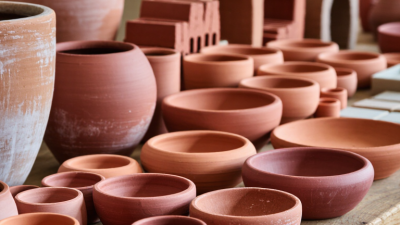
In 2026, global buyers are seeking Terracotta Ceramics with stronger character, dependable quality, and clearer sourcing information. These products may include planters, tableware, decorative vessels, tiles, and architectural pieces. Each category requires different testing, packaging, and handling decisions. A beautiful surface is not enough. This guide explores practical choices for importers, retailers, designers, and hospitality buyers. It considers clay composition, firing temperature, water absorption, glaze safety, dimensions, color consistency, and production capacity. Experienced suppliers should provide samples, technical details, inspection records, and honest lead-time estimates. Buyers should also confirm export documentation, packaging methods, labeling requirements, and destination-country regulations before placing large orders. Small cracks can become costly surprises. Regional craftsmanship remains important. Hand-finished terracotta often shows subtle variations in texture, tone, and shape. Those differences can create warmth, but they may challenge strict retail specifications. Factory-made pieces can offer better consistency, although they may feel less distinctive. Neither option is automatically superior. The right choice depends on use, budget, delivery schedule, and customer expectations. The 2026 market will likely reward suppliers who combine traditional skill with measurable quality control. Still, forecasts are uncertain, and no supplier should be trusted without verification. Buyers can reduce risk through pre-shipment inspections, moisture protection, drop testing, and clearly written purchase terms. This overview compares promising product types and sourcing considerations without treating every market claim as fact. Real-world results can vary. Careful judgment remains essential.
Read more »
Sophia By:Sophia - September 20, 2026
Why Choose Stoneware Tableware for Global Buyers?

Why Choose Stoneware Tableware for Global Buyers?

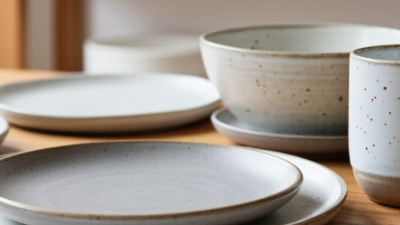
Why Choose Stoneware Tableware for Global Buyers? Global buyers are seeking tableware that performs beyond the showroom. Stoneware Tableware offers a practical balance of durability, thermal stability, and visual character. A hotel breakfast plate may face repeated dishwasher cycles, stacked storage, and sudden temperature changes. A retail mug must also survive long-distance shipping, where small glaze defects can become costly returns. Grand View Research valued the global ceramic tableware market at approximately USD 10.7 billion in 2023, with continued growth expected through 2030. Its analysis highlights hospitality expansion, household replacement demand, and premium product design as major drivers. Ceramic materials specialist Tony Hansen, founder of Digitalfire, states, “Stoneware is a firing range, not a color or style.” That distinction matters. Buyers should assess firing temperature, water absorption, glaze stability, and food-contact test results. Appearance alone is not enough. Reports from the European Commission and the U.S. Food and Drug Administration emphasize controls for lead and cadmium migration in ceramic foodware. These standards support safer sourcing, but documentation still requires careful verification from each factory. Stoneware can reduce replacement pressure when properly formulated and fired. However, it is not automatically indestructible. Some pieces chip easily. Others vary slightly in color between production batches. That imperfection deserves honest discussion. Responsible suppliers should provide technical specifications, sample-testing records, packaging details, and traceable quality checks. For global buyers, the strongest choice is not simply the heaviest plate. It is Stoneware Tableware with tested performance, consistent production, and a design customers will continue using.
Read more »
Ethan By:Ethan - September 20, 2026