Market Intelligence & 2025–2035 Strategy
Future Procurement & Technological Trends in Automated Ceramic Glazing
As enterprise procurement teams refine their global sourcing strategies, the intersection of robotics, materials science, and supply-chain transparency is reshaping the ceramic tableware landscape. Buyers are moving away from decentralized manual workshops toward automated high-capacity manufacturing hubs capable of guaranteeing regulatory compliance, carbon footprint reduction, and rapid SKU scale-up.
1. AI-Assisted Rheology Control and Real-Time Viscosity Sensing
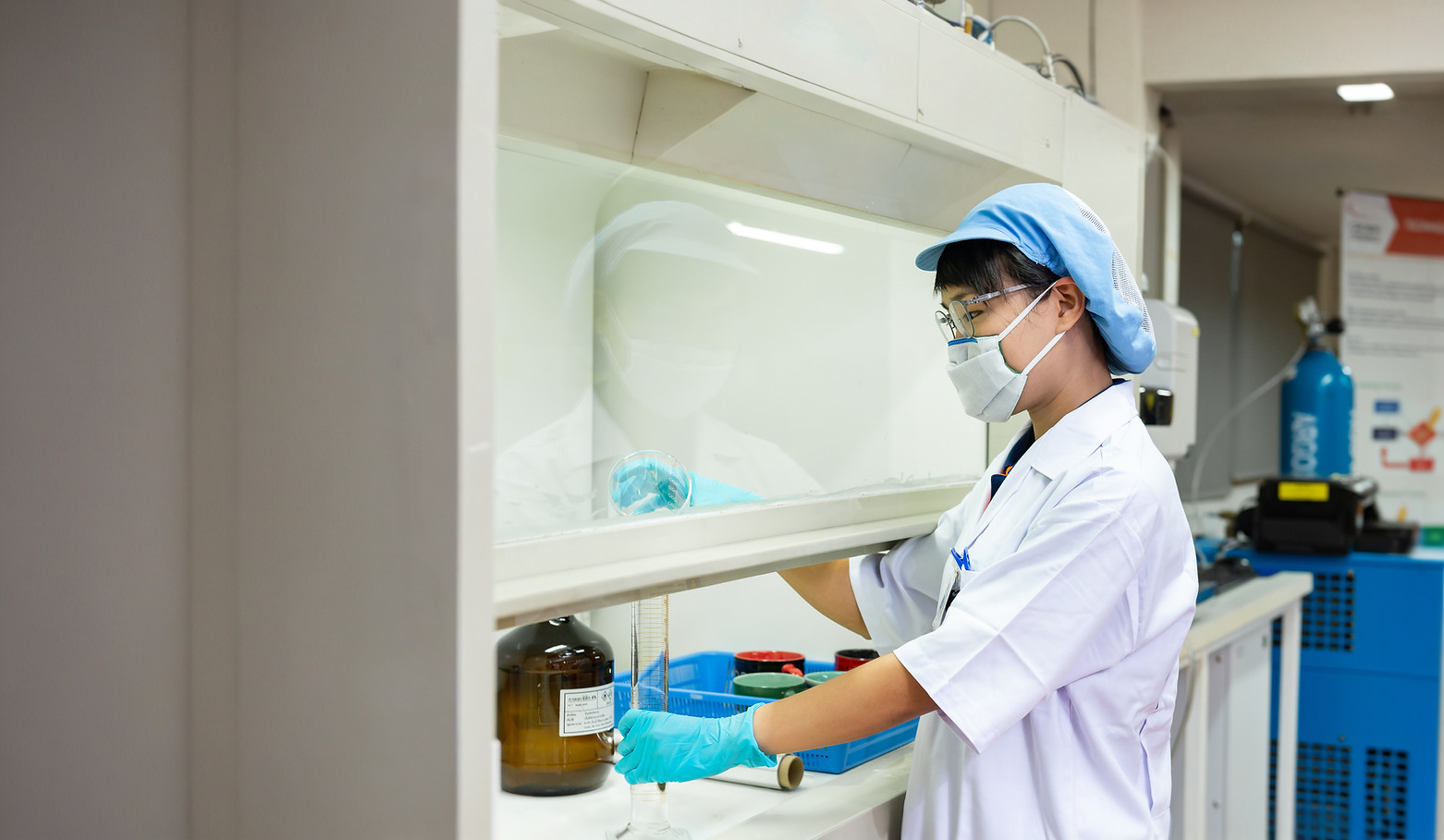
Traditional glazing relied heavily on manual hydrometer checks and periodic water adjustments. Future-proof facilities utilize continuously monitored inline viscometers coupled with automated micro-dosing fluid pumps. By analyzing ambient factory humidity, slip temperature, and specific gravity in real-time, automated glaze systems adjust liquid thixotropy dynamically. This ensures that the glaze slurry deposited on 7:00 AM production runs matches the exact thickness, density, and flow behavior of 11:00 PM runs, virtually eliminating pinholes, crawling, and micro-blistering.
2. Digital Reactive Glazing (Multi-Robot Synchronized Spraying)
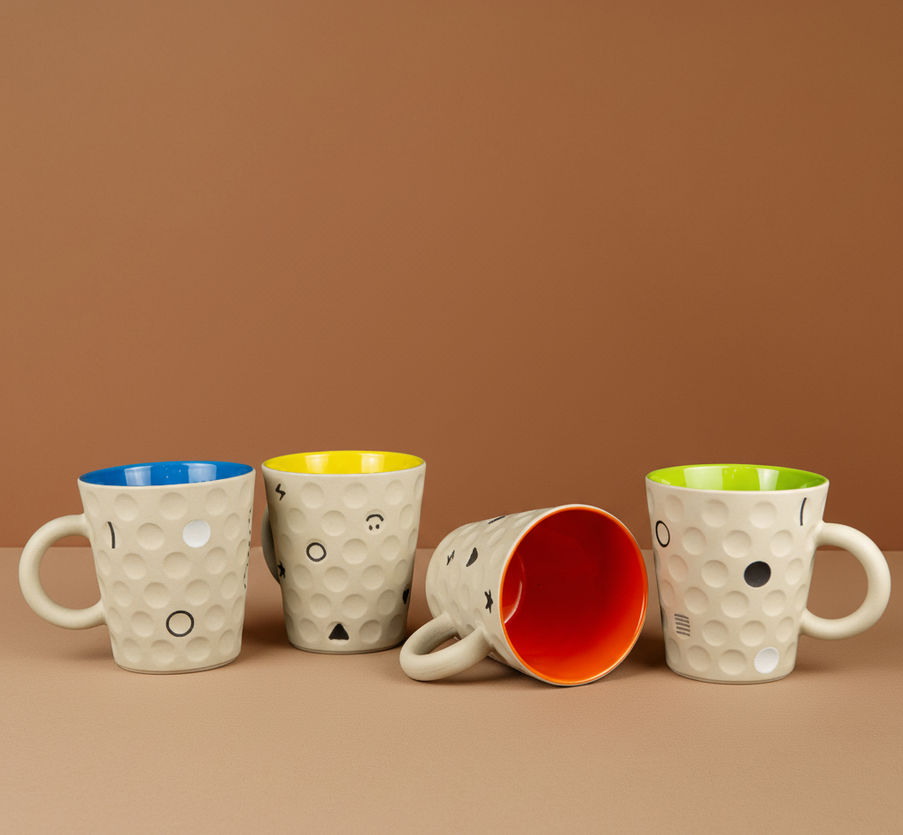
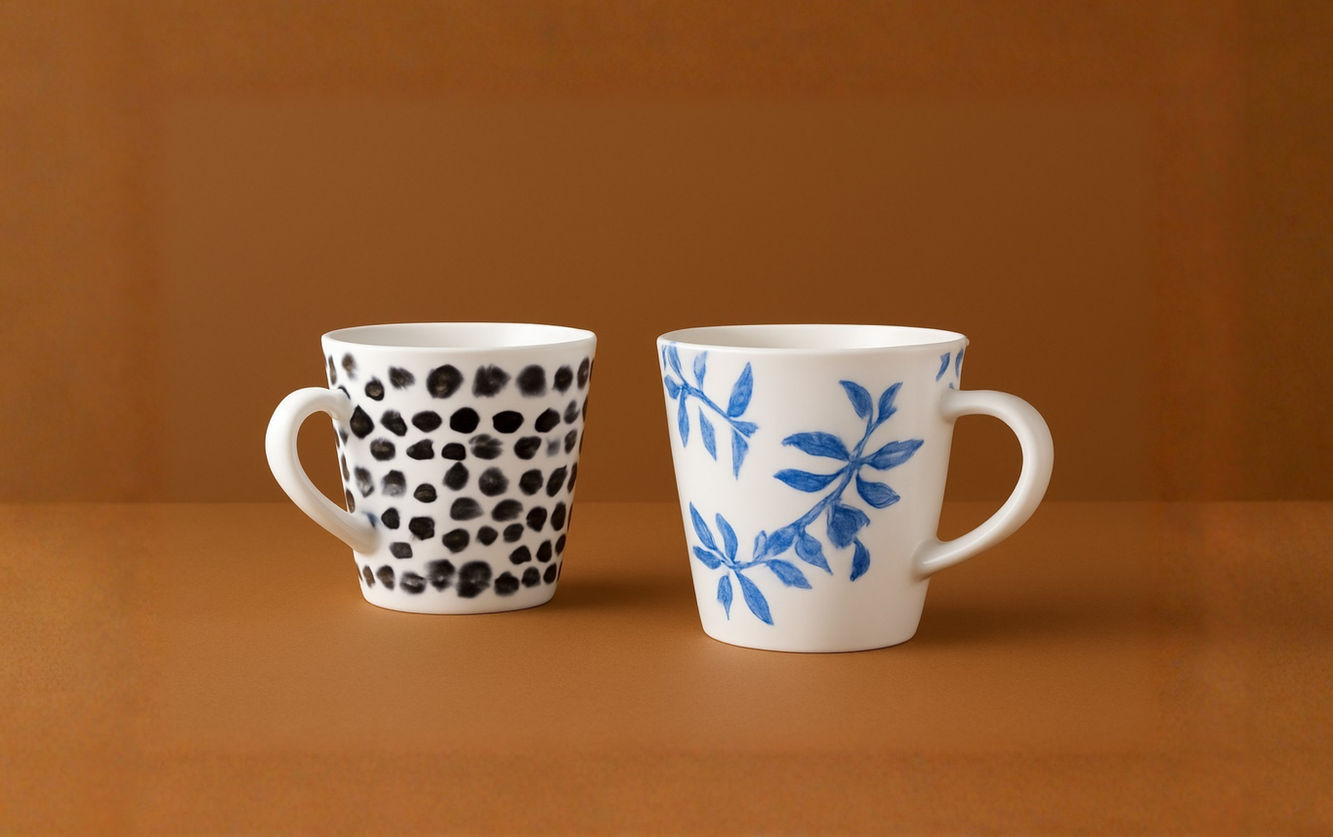
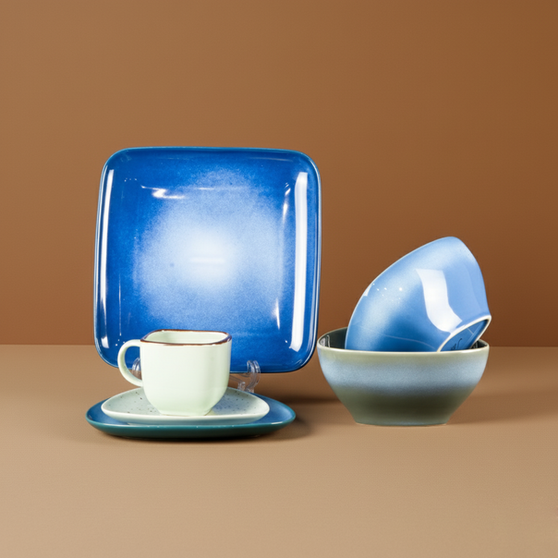
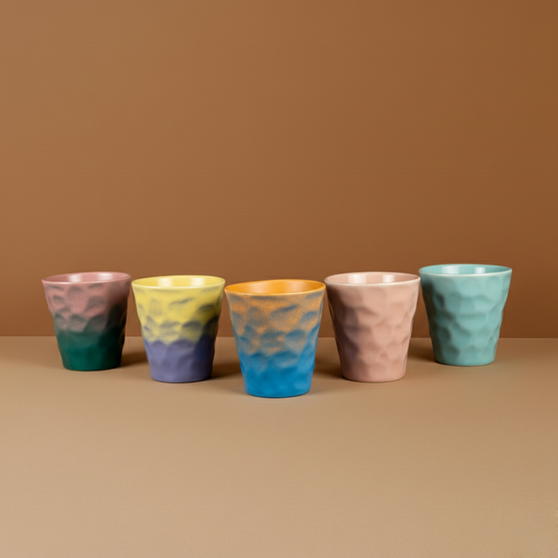
Historically, reactive glazes (such as dripping oxblood, floating blue, or metallic iron specks) required hand-crafting, resulting in unacceptably high variance across large purchase orders. The emergence of multi-axis, synchronized robotic cell clusters allows manufacturers to program precise fluid pressure gradients, rotational velocities, and overlapping spray paths. This produces the coveted handmade visual character required by modern lifestyle brands while preserving strict dimensional tolerances required for commercial dishwashers and high-density warehouse palletizing.
3. Eco-Efficient Low-Energy Glaze Formulations & Closed-Loop Hydrosystems
With global ESG standards (such as the EU Corporate Sustainability Due Diligence Directive) becoming mandatory criteria for buyers, automated glazing lines are engineered for ultra-low resource intensity. Modern spray booths utilize high-efficiency electrostatic charging systems that attract glazes directly to unfired or bisqued ware, reducing spray loss by up to 40%. Furthermore, wash-down water is treated via continuous membrane filtration, allowing 98% of glazes to be reclaimed and re-introduced into glaze production, drastically cutting raw mineral consumption and zeroing out liquid trade effluent.
4. Automated Acoustic Resonance Testing & 3D Optical Glaze Metrology
Quality assurance is moving from post-fire visual inspection to inline automated laser metrology. High-speed 3D laser scanners inspect 100% of glazed wares exiting the glazing line to detect micro-cracks, edge thinness, or uneven glaze thickness before ware enters the kiln. Following roller-kiln firing, acoustic resonance testing strikes each ceramic piece gently with an automated probe; frequency response analysis immediately detects hidden internal micro-fractures or glaze-body bond failures that the human eye cannot perceive.













.jpg)