In 2026, global buyers are seeking Terracotta Ceramics with stronger character, dependable quality, and clearer sourcing information. These products may include planters, tableware, decorative vessels, tiles, and architectural pieces. Each category requires different testing, packaging, and handling decisions. A beautiful surface is not enough.
This guide explores practical choices for importers, retailers, designers, and hospitality buyers. It considers clay composition, firing temperature, water absorption, glaze safety, dimensions, color consistency, and production capacity. Experienced suppliers should provide samples, technical details, inspection records, and honest lead-time estimates. Buyers should also confirm export documentation, packaging methods, labeling requirements, and destination-country regulations before placing large orders. Small cracks can become costly surprises.
Regional craftsmanship remains important. Hand-finished terracotta often shows subtle variations in texture, tone, and shape. Those differences can create warmth, but they may challenge strict retail specifications. Factory-made pieces can offer better consistency, although they may feel less distinctive. Neither option is automatically superior. The right choice depends on use, budget, delivery schedule, and customer expectations.
The 2026 market will likely reward suppliers who combine traditional skill with measurable quality control. Still, forecasts are uncertain, and no supplier should be trusted without verification. Buyers can reduce risk through pre-shipment inspections, moisture protection, drop testing, and clearly written purchase terms. This overview compares promising product types and sourcing considerations without treating every market claim as fact. Real-world results can vary. Careful judgment remains essential.
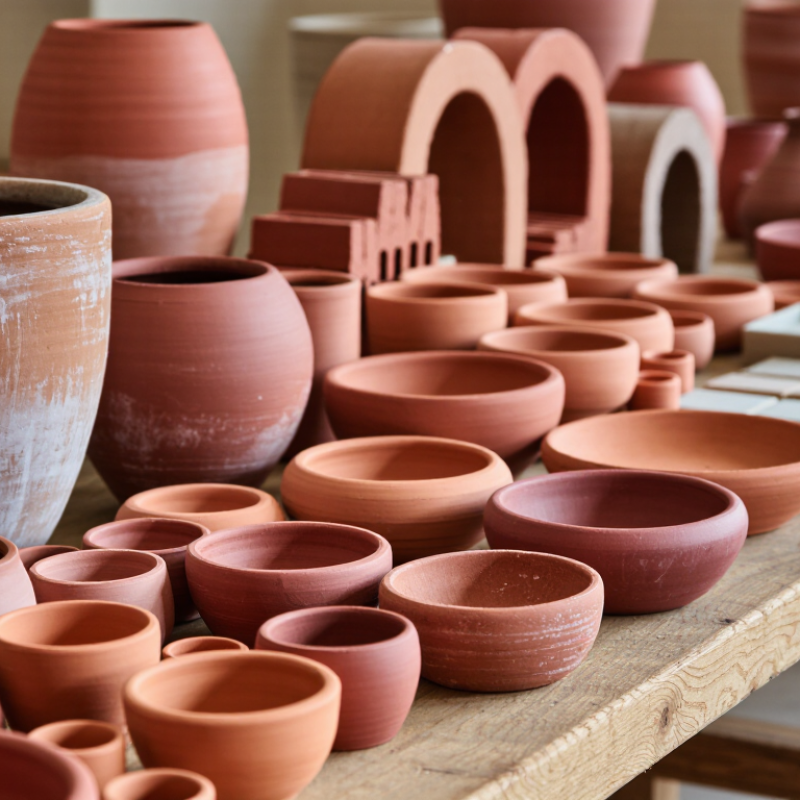
2026 Best Terracotta Ceramics for Global Buyers?
Terracotta means “baked earth,” usually made from iron-rich clay. Its warm red surface comes from natural minerals and controlled firing. Unlike vitrified ceramics, terracotta remains porous and often shows small color variations. Those marks are not defects. They record the clay, kiln, and maker.
Its history is unusually broad. Ancient Mediterranean communities shaped terracotta lamps, vessels, and figurines. In China, the Qin mausoleum contains more than 8,000 terracotta soldiers, according to UNESCO. These figures reveal military organization, craft specialization, and beliefs about the afterlife. Terracotta also carries living traditions across South Asia, Africa, and Latin America. However, calling it a single “global style” oversimplifies local meanings. That deserves reflection.
Tips: Buyers should request firing temperature, absorption rate, dimensions, and glaze details. Compare samples under natural light. The UN Comtrade database tracks ceramic articles through HS codes, but it does not isolate every terracotta product. Market estimates therefore need caution. Grand View Research’s ceramic tiles reports show continued global demand for ceramic surfaces, yet tiles are broader than handmade terracotta. Use these figures as context, not proof of a niche product’s value. For outdoor use, check freeze-thaw performance and water absorption. Handmade pieces need stronger inspection. Surface beauty cannot replace technical testing.
2026 Best Terracotta Ceramics for Global Buyers?
Key Types of Terracotta Ceramics for International Buyers
Terracotta is not one uniform product. Its body, firing temperature, porosity, and finish determine its use. Unglazed terracotta tiles suit warm interiors, courtyards, and restoration projects. Their uneven edges create character, but they may absorb moisture quickly. For outdoor orders, ask for water absorption, frost resistance, thickness tolerance, and slip testing.
Architectural bricks and roof tiles form another major category. They need consistent dimensions and controlled firing. Small color differences can appear between production batches. That is not always a defect. It can become a serious problem when a project requires a perfectly matched facade. UN Comtrade places unglazed ceramic tiles under HS 6907, while other ceramic articles fall under HS 6914. Buyers should check these classifications before comparing trade data, duties, or supplier quotations.
Planters and decorative vessels are easier to customize. Buyers can request drainage holes, matte textures, carved patterns, or a smoked surface. Food-use cookware requires more scrutiny. Ask for glaze composition, firing records, migration testing, and packaging specifications. The European Commission’s 2024 Safety Gate report recorded thousands of product alerts across consumer categories, showing why documentation matters even for simple-looking goods. The weak point is often packaging. A beautiful pot means little after cracked rims, trapped moisture, or poor pallet stacking. Request sample photos, drop-test evidence, and carton measurements. Insist on an approved reference sample. Even then, natural clay can surprise you.
Key terracotta ceramic categories compared by their typical firing-temperature midpoint, a practical indicator of durability, density, and intended use.
Architectural terracotta and sculpture generally require higher firing temperatures, while garden pottery, roof tiles, and cookware are commonly produced within slightly lower ranges. Actual specifications vary by clay body, glaze, thickness, and manufacturing process.
Terracotta begins with clay, not color. Iron-rich earthenware creates warm red, ochre, and brown tones. Local mineral content changes every batch. Hand shaping preserves texture, while extrusion delivers more consistent profiles. Pressing suits tiles and repeated architectural parts. Firing usually occurs between 950°C and 1,100°C, depending on the clay body and glaze.
The 2024 IMARC Group ceramic tiles market report estimates a global value of about US$84.7 billion in 2023. Terracotta represents only a portion of this market, so buyers should not treat tile data as terracotta-specific evidence. Quality checks matter more than market size. ISO 10545-3 measures water absorption, while ISO 10545-4 evaluates breaking strength. ASTM C373 also tests absorption and bulk density. For outdoor use, request freeze-thaw results and documented batch testing.
A practical inspection starts with five samples, not one. Check warping on a flat surface. Compare edges, pores, color, and thickness under neutral light. A small shade variation is not automatically a defect. It can prove natural clay variation. However, large differences may signal uneven mixing or kiln temperature. Our own inspections often find that attractive surfaces hide weak corners. That lesson deserves more attention. Ask for firing records, dimensional tolerances, absorption results, and packaging tests before approving large orders. Standards help, but they do not replace physical samples.
| Evaluation Dimension | Material or Process | Typical Technical Data | Quality Standard or Test Reference | Buyer Relevance | Recommended 2026 Purchasing Check |
|---|---|---|---|---|---|
| Body Composition | Natural earthenware clay with silica, alumina, fluxing minerals, and iron-bearing compounds | Iron oxide commonly creates the red, orange, or brown color; final color depends on mineral content and firing atmosphere | Supplier technical datasheet; laboratory chemical or mineralogical analysis when required | Influences color consistency, shrinkage, strength, porosity, and firing behavior | Request a declared clay-body composition and an approved color sample before mass production |
| Product Type | Unglazed terracotta, glazed earthenware, decorative pottery, planters, tiles, and architectural components | Performance varies significantly by shape, thickness, glaze, firing temperature, and intended use | Use the test method appropriate to the product category rather than relying on appearance alone | Prevents indoor decorative products from being selected for outdoor or wet-service applications | Define the application, exposure conditions, dimensions, tolerances, and service environment in the purchase specification |
| Firing Temperature | Low-fired earthenware production | Commonly approximately 900–1,100 °C; the exact schedule is product- and clay-body-dependent | Production firing curve, kiln records, and fired-body performance testing | Higher or better-controlled firing can improve strength and reduce open porosity, but excessive firing may deform some bodies | Approve a firing profile that includes peak temperature, holding time, heating rate, cooling rate, and kiln atmosphere |
| Water Absorption | Open porosity of the fired ceramic body | Often higher than dense stoneware or porcelain; a declared value is essential because terracotta has no single universal absorption level | ISO 10545-3 for ceramic tiles; ASTM C373 for applicable fired ceramic products | Indicates susceptibility to moisture penetration, staining, frost damage, and dimensional changes | Specify a maximum water-absorption value based on the intended use and require batch test results |
| Outdoor and Freeze Exposure | Unglazed or glazed terracotta used in exterior climates | High water absorption can increase freeze–thaw risk when absorbed water freezes inside the body | Relevant ceramic-tile freeze–thaw procedures, including ISO 10545-12 where applicable | Important for façades, paving, roof elements, planters, and products shipped to cold regions | Request freeze–thaw evidence for the actual product design; do not infer suitability from color or surface appearance |
| Mechanical Strength | Resistance to breaking, bending, impact, and handling damage | Depends on body density, wall thickness, geometry, firing, moisture content, and defects | ISO 10545-4 for applicable ceramic tiles; ASTM C674 or other product-specific methods where relevant | Helps control breakage during manufacturing, container loading, transportation, installation, and use | Set minimum breaking-strength or modulus-of-rupture requirements for the specific product dimensions |
| Dimensional Accuracy | Control of length, width, thickness, squareness, warpage, and shape | Natural handmade products normally show greater variation than precision-pressed or extruded products | ISO 10545-2 for applicable ceramic tiles; approved drawing and inspection plan for other products | Critical for tile layouts, modular architectural elements, lids, fittings, and products requiring assembly | Specify nominal dimensions, permitted tolerances, calibration method, and acceptable visual variation |
| Manufacturing Method | Hand forming, jiggering, slip casting, extrusion, dry pressing, or hydraulic pressing | Pressing generally improves repeatability; hand forming produces more variation and a stronger craft appearance | Approved production sample, process-control records, and dimensional inspection | Method selection affects cost, lead time, consistency, surface texture, wall thickness, and minimum order quantity | Match the process to the required volume, geometry, tolerance, surface finish, and acceptable handmade variation |
| Drying Control | Controlled removal of moisture before firing | Uneven drying may cause warpage, cracking, lamination, or dimensional instability | Internal process controls; documented drying time, humidity, airflow, and moisture checks | Drying defects can appear before firing or become irreversible kiln losses | Require a documented drying procedure and inspection of high-risk areas such as handles, corners, rims, and thick sections |
| Glaze and Surface Finish | Unglazed, engobed, matte-glazed, glossy-glazed, textured, brushed, or antiqued surface | Glaze can reduce staining and improve cleanability, but it may introduce pinholes, crazing, crawling, or color variation | Visual inspection, stain resistance and chemical-resistance tests where applicable; ISO 10545-14 and ISO 10545-13 for applicable tiles | Surface selection should reflect cleaning frequency, slip requirements, chemical exposure, and visual expectations | Approve a physical reference panel and define acceptable limits for pinholes, blisters, crazing, shade variation, and scratches |
| Color and Shade Consistency | Natural body color, engobe, glaze, oxide decoration, or digital surface treatment | Variation can result from clay minerals, firing atmosphere, kiln position, glaze thickness, and batch composition | Approved master sample, visual grading under controlled lighting, and color-measurement data when required | Consistent shade is important for coordinated tile installations, tableware sets, and architectural projects | Use batch-based shade grouping and define whether natural variation is acceptable or must be minimized |
| Thermal Shock | Resistance to rapid temperature changes | Performance depends on porosity, wall thickness, glaze-body compatibility, and internal stress | ISO 10545-9 for applicable ceramic tiles; product-specific thermal-shock testing for cookware or heat-exposed items | Relevant for kitchenware, outdoor products, fireplace components, and items exposed to rapid heating or cooling | Test the finished product—not only the clay body—under the actual expected temperature cycle |
| Chemical and Food Contact Safety | Glazes, pigments, decorative coatings, and possible migration of regulated substances | Food-contact suitability depends on the complete finished article, firing, glaze formulation, and intended use | Applicable destination-market food-contact regulations and migration testing; do not rely solely on a “lead-free” claim | Essential for tableware, kitchen products, drinking vessels, and products used near food or beverages | Obtain a current laboratory report for the finished product and specify the destination country or region |
| Slip Resistance | Surface traction for floors, steps, wet areas, and exterior applications | Depends on surface texture, glaze, contamination, footwear, and wet or dry conditions | Use the destination-market method, such as ISO 10545-17 where applicable, or an accepted national method | Reduces fall risk and supports compliance for commercial, public, bathroom, and exterior installations | Specify the required wet and dry slip-performance classification for the actual installation environment |
| Visual Defects | Cracks, chips, pinholes, blisters, warpage, inclusions, glaze crawling, and kiln marks | Acceptance limits should distinguish structural defects from intentional handmade characteristics | Pre-shipment visual inspection using a written defect catalogue and approved reference samples | Creates a consistent quality decision across buyers, suppliers, inspectors, and receiving teams | Define AQL or defect-acceptance rules, inspection distance, lighting, viewing angle, and sampling quantity |
| Packaging and Transport | Individual wrapping, molded inserts, dividers, cartons, pallets, and moisture protection | Fragile fired ceramics require immobilization, edge protection, and compression-resistant outer packaging | Packaging validation through drop, vibration, stacking, and transit simulations appropriate to the shipment | Reduces concealed breakage and claims during international sea, rail, road, or air transport | Request a packaging trial using production-quality goods and record breakage after simulated handling |
| Traceability | Batch identification from raw material through forming, glazing, firing, inspection, and shipment | Each lot should be linked to production date, kiln load, material batch, inspection result, and quantity | Documented quality-management and lot-control procedure; ISO 9001 may be used as a management-system reference | Supports root-cause analysis, repeat orders, complaint handling, and controlled shade matching | Require batch codes on cartons and inspection records that remain linked to the commercial invoice and packing list |
| Sustainability Information | Local clay sourcing, recycled process material, kiln energy, water use, packaging, and product durability | Environmental performance is site- and process-specific; broad “eco-friendly” claims require supporting evidence | Environmental product documentation, energy records, recycled-content evidence, and applicable destination-market rules | Helps buyers compare lifecycle impacts without confusing natural appearance with verified sustainability | Request measurable data, calculation boundaries, recycled-content percentages, and evidence for environmental claims |
| Pre-Shipment Inspection | Quantity, assortment, dimensions, color, surface, functionality, labeling, and packaging verification | Inspection should be performed on finished, packed production goods before release | Buyer-approved inspection plan, sampling level, defect classification, and product-specific test checklist | Provides an objective release decision before international shipment | Use an approved golden sample, signed inspection report, photographs, and retained reference specimens |
Technical note: Terracotta is a broad low-fired earthenware category, so performance values must be specified for the exact product, dimensions, finish, and service environment. ISO and ASTM references listed above apply only where their scope covers the relevant product; buyers should confirm the applicable edition and destination-market requirements before contracting.
Evaluating terracotta ceramics for global sourcing starts with the clay itself. Ask whether the material is naturally sourced, processed consistently, and suitable for the intended use. Check each sample for warping, hairline cracks, uneven walls, and rough edges. These details often appear after firing, not during production. Ask for firing temperatures and production records. Evidence matters.
Measure the sample’s length, width, weight, and wall thickness with simple tools. Compare several pieces from the same batch, because one attractive sample proves very little.
Test water absorption when the product will hold plants, food, or liquids. Food-contact items may require testing for lead, cadmium, and other restricted substances under the destination market’s rules. Requirements differ by country. Confirm them with an accredited laboratory or qualified compliance specialist.
Packaging deserves equal attention. Drop-test cartons, inspect corner protection, and check whether moisture can weaken recycled inserts. Request a written inspection plan covering color variation, dimensions, surface defects, and packing quantity. An experienced buyer should approve a sealed reference sample before mass production.
Still, this process is not perfect. Natural terracotta may show small tonal differences, and rejecting every variation can create unnecessary waste. Samples can mislead. Schedule an independent pre-shipment inspection, retain batch photos, and record corrective actions. Clear records build trust when quality changes between orders.
2026 Best Terracotta Ceramics for Global Buyers?
Buying terracotta ceramics requires more than comparing unit prices. Confirm whether each piece is decorative or intended for food contact. Food-use items may require glaze testing, heavy-metal migration reports, and destination-market labeling. Ask suppliers for kiln temperature records, clay composition, and batch traceability. Documents can be incomplete, so verify them independently. A beautiful sample can still fail after mass production.
Shipping needs practical planning. Terracotta is porous and fragile, especially around handles and thin rims. Request drop-test evidence, inner dividers, moisture protection, and pallet photographs before loading. Clarify Incoterms, carton dimensions, HS classification, insurance, and responsibility for breakage. Compare landed cost, not only the factory quotation. Include duties, port fees, inspection charges, and possible rework. Pricing often changes after packaging is finalized. That is easy to underestimate.
Tips: Order samples from more than one supplier. Inspect color variation, warping, surface cracks, and glaze consistency under natural light. Use a written specification sheet with acceptable limits. Ask for a small pilot batch before committing to a full container. Check production capacity, response speed, and corrective-action records. A supplier with the lowest quote may create higher costs later. I would still leave contingency budget; forecasts are rarely perfect. Reconfirm compliance before every major order, because regulations and product designs can change.
Terracotta means “baked earth.” It usually uses iron-rich clay and has a warm red surface. The material remains porous after firing. Small color differences are normal.
Natural minerals, firing conditions, and clay sources affect its color. A kiln may create red, orange, or brown areas. These marks record the maker’s process.
Ancient Mediterranean communities made lamps, vessels, and figurines from terracotta. Chinese burial figures show large-scale organization and specialized craftsmanship. Living traditions also continue across several regions.
Not exactly. Different communities attach different meanings to terracotta. Calling it one global style can erase local traditions. That point deserves reflection.
Ask for firing temperature, water absorption, dimensions, glaze details, and clay composition. Compare samples under natural light. Surface beauty cannot replace testing.
Confirm whether each piece is decorative or intended for food contact. Food-use items may need glaze testing and heavy-metal migration reports. Destination-market labeling may also apply.
Request inner dividers, moisture protection, drop-test evidence, and pallet photographs. Protect handles and thin rims carefully. Terracotta is porous and fragile. Breakage happens.
Compare landed cost, not only the factory quotation. Include duties, port fees, inspections, insurance, packaging, and possible rework. Final pricing may change after packaging.
Order samples from several suppliers and inspect cracks, warping, color, and glaze consistency. Request a small pilot batch. Check production capacity and corrective-action records. The lowest quote may cost more later.
Check freeze-thaw performance and water absorption before outdoor use. Handmade pieces need closer inspection. A contingency budget is sensible because forecasts are rarely perfect.
Terracotta Ceramics have shaped human history through their natural warmth, practical function, and cultural importance. Made primarily from clay and fired at moderate temperatures, they range from architectural tiles and garden products to tableware, decorative objects, and traditional artworks. Their color, texture, porosity, and form often reflect local materials, craftsmanship, and cultural traditions, making them valuable for both commercial and design-focused buyers.
For international sourcing, buyers should assess clay quality, firing consistency, dimensions, surface finish, strength, water absorption, and resistance to cracking or weathering. Clear quality standards, sample inspections, production monitoring, and reliable packaging are essential for reducing defects during transportation. Buyers should also compare pricing based on materials, labor, customization, order volume, and finishing requirements. Before selecting a supplier, they should confirm production capacity, documentation, communication, export experience, shipping arrangements, and destination-market compliance. A balanced evaluation of quality, cost, lead time, packaging, and responsible business practices can support successful global procurement.