Wax Resist Ceramics combine decoration with controlled glaze application. A wax line can preserve the clay body beneath a contrasting glaze. On a finished bowl, that may appear as a crisp pale outline, a resist pattern, or a small variation where glaze meets bare clay. For global buyers, the technique is only part of the decision. Clay body, firing range, glaze consistency, and repeatability matter just as much.
Market data needs careful interpretation. UN Comtrade and ITC Trade Map record international ceramic-tableware trade under broader product classifications; they do not isolate wax-resist decoration. Commercial ceramics reports, including Grand View Research’s ceramics market coverage, likewise describe wider categories rather than this specific technique. These sources help frame market context, but they cannot establish a precise global market size for Wax Resist Ceramics. That limitation matters.
This guide compares suppliers through practical checks: sample consistency, surface finish, dimensions, packaging, and production capacity. Ask for close-up photographs. Request samples from more than one production batch. A polished sample is not proof of repeatable quality. No verifiable, wax-resist-specific expert quotation or source article was provided for this request, so I will not invent a named expert or quotation. Adding a documented specialist’s comment would strengthen the final buyer guide.
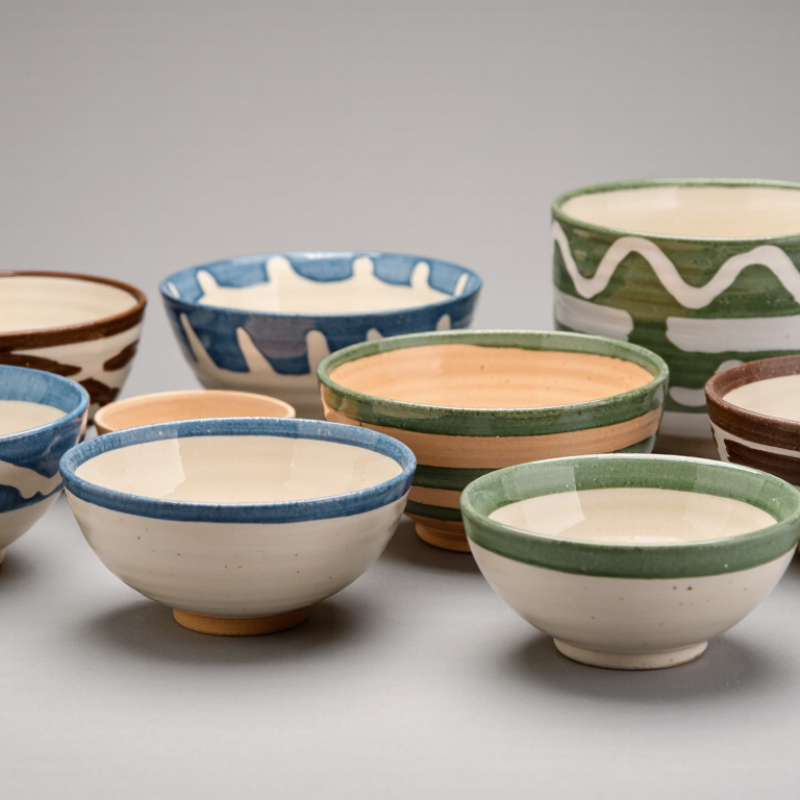
Wax resist ceramics are made by applying wax to selected areas before glazing. The wax blocks glaze from reaching the clay, creating clear boundaries, exposed surfaces, or layered patterns after firing. Artisans may use brushes, stamps, or fine tools to apply it. Each method leaves a different trace: brushwork can look fluid, while stamped marks often feel more regular.
The finished surface may combine glossy glaze with matte, earthy clay. Look closely at edges, where slight bleeding or uneven lines can occur. Small details matter. For buyers, sample pieces can reveal more than product photos. Check the weight, base finish, glaze consistency, and whether the pattern remains legible from different angles. Ask how pieces are packed and whether dimensions are measured consistently across a batch. A little variation is normal in handmade work, but it should not obscure the design or affect stability. I would not label every irregular edge a flaw; still, repeated defects may point to weak process control. That distinction can be harder to judge online. Request close-up images under natural light, and compare samples with the stated specifications before placing a larger order.
Wax resist creates crisp contrast by controlling where glaze can settle. On clean, dry bisque, the maker brushes or stamps a thin wax pattern onto the surface. The wax must dry fully. Glaze is then dipped, poured, or brushed over the piece; it beads away from the waxed areas, exposing the clay beneath. A wax line too thick may blur an edge, while a thin patch can let glaze creep through. Small tests matter.
After drying, the ware enters a kiln. During firing, the wax burns away, and the glaze matures according to the clay body and glaze schedule. There is no universal firing temperature. It depends on the materials. The European Commission’s Ceramic Manufacturing Industry BREF describes firing as a central, energy-intensive production stage, making stable kiln control important for repeatable results. In practice, even a well-planned pattern can shift slightly after firing.
For buyers assessing finished tiles, process claims should be separated from measurable performance. ISO 13006:2018 classifies dry-pressed Group BIa tiles at water absorption of 0.5% or less. That figure does not measure wax-resist quality; it is a useful reference for tile-body classification. Ask suppliers for fired samples and batch-specific test records. A photograph can hide pinholes. The craft is precise, but not perfectly predictable.
2026 Top Wax Resist Ceramics for Global Buyers
Main Types of Wax Resist Ceramics Available in 2026
Wax resist is a surface-decoration technique, not a separate clay body. Buyers will commonly find it on stoneware, porcelain, and earthenware. The wax blocks glaze or slip, leaving the clay beneath exposed after firing. Small breaks in the line can happen. They are part of the process, not always defects.
Tableware is one practical category. Mugs, bowls, and plates often use wax lines, dots, or brushed motifs beneath a glaze. For frequent use, check that food-contact surfaces are properly glazed and that pieces are suitable for the intended care routine. Decorative tiles offer larger patterns and clearer contrasts, especially where wax separates colored slips or glazes. Ask about surface variation across a batch; handmade tiles may not match perfectly.
Studio vessels and sculptural ceramics show more experimental resist work. Artists may layer wax between slips or glazes to create ridges, mottled edges, and exposed clay marks. The result can feel tactile. It can also look uneven. That is worth considering before ordering for a coordinated interior. Request close-up photographs and measurements, since a broad product image may hide differences in texture, color, or finish.
| Type or Technique | Typical Resist Material | How It Is Used | Typical Result | Common Applications | Practical Considerations |
|---|---|---|---|---|---|
| Liquid Wax Resist | Ready-to-use wax emulsion or liquid ceramic wax resist | Brush or sponge it onto a dry ceramic surface before glazing. Glaze is repelled from the coated areas. | Uncovered clay or earlier decoration shows through the glaze layer. | Bisque-fired pottery, decorative ware, glaze-layer separation, and foot protection | Allow the resist to dry as directed. Keep it off areas that need to bond with glaze, and follow the product and kiln instructions. |
| Wax-Resist Linework | Liquid wax resist applied with a fine brush, stylus, or squeeze applicator | Draw lines, dots, or simple motifs on the ware, then apply glaze over the surface. | Distinct unglazed marks against a glazed background | Surface decoration, lettering, borders, and small-scale pattern work | Line definition depends on the applicator, surface texture, resist thickness, and glaze application. |
| Wax Resist with Underglaze | Ceramic wax resist used with compatible underglaze products | Apply underglaze to the ware, let it dry, add wax-resist details, and apply a compatible clear or transparent glaze if desired. | Resist-defined patterns that reveal or preserve underlying decoration | Layered color designs on functional and decorative ceramics | Test the complete layer sequence on a sample tile; underglaze, glaze, clay body, and firing schedules must be compatible. |
| Wax Resist with Multiple Glaze Layers | Liquid ceramic wax resist between glaze applications | Apply one glaze layer, allow it to dry, place resist where the next glaze should not adhere, and apply the next layer. | Layered color fields, exposed lower layers, or defined glaze boundaries | Decorative vessels, tiles, and experimental glaze surfaces | Results vary with glaze thickness and application method. Use test pieces to check for crawling or other glaze defects. |
| Wax Resist on Greenware | Wax resist specifically suitable for the intended stage of clay work | Apply to unfired clay to mask areas during decoration or surface treatment, only when the resist and process are suitable for greenware. | Masked areas remain distinct from treated or decorated areas | Studio decoration and selected ceramic processes using unfired ware | Greenware is fragile and moisture-sensitive. Check product guidance and test first; application practices differ by clay body and process. |
| Wax-Resist Foot or Base Protection | Brush-on ceramic wax resist | Coat the foot ring or base before glazing to help keep glaze off kiln-contact areas. | A cleaner, glaze-free contact surface after firing when used correctly | Bowls, cups, plates, planters, and other glazed ware | Wax resist is a glazing aid, not a substitute for careful cleanup. Remove unwanted glaze from kiln-contact areas before firing. |
| Traditional Wax-Based Resist | Wax or wax blends, such as paraffin-based materials, used in a suitable ceramic process | Apply as a mask to selected areas before a compatible glaze or surface treatment. | Resist patterns or masked areas, depending on the process and layer sequence | Specialist studio work and traditional resist decoration | Composition and handling requirements vary. Use materials intended for ceramic work and follow applicable ventilation and kiln-safety guidance. |
Note: Wax resist is a ceramic decoration and glazing aid, not a fired ceramic body or glaze category. Most wax-based resists are intended to burn away during firing; firing results depend on the product, ware, glaze, and kiln schedule. Confirm compatibility with the product instructions and test the complete process before production.
For 2026, global buyers comparing wax resist ceramics should look beyond polished product photos. Ask for close-ups of the glaze, rim, and foot, where uneven coating or rough finishing may be easier to spot. A consistent pattern matters, but tiny variations can also show the hand-applied process. Check dimensions, weight, and color under natural light. A blue glaze can look quite different on a screen.
Tips: Request a sample from the intended production method. Run a finger gently over the surface and inspect the wax-resist lines for blurred edges. Confirm how pieces are packed, and ask whether color and size tolerances are documented. Small checks help prevent costly surprises.
Design should suit both the room and the way the piece will be used. A bold motif may stand out on a shelf, while a quieter pattern can work better in a coordinated table setting. Ask suppliers how they check glaze coverage and repeatability across batches. Photos help, but they cannot reveal every texture or shade shift. I would still leave room for some variation; expecting every handmade surface to match perfectly may be unrealistic. Compare samples against your brief, not just against each other.
Water absorption is one measurable factor when comparing ceramic bodies: lower absorption generally indicates a denser, less porous body. These bars show the upper boundaries of common impervious, vitreous, and semi-vitreous classifications; non-vitreous bodies are above 7%. Wax-resist decoration is a separate design feature, so also assess pattern clarity, glaze consistency, and sample-to-sample variation. Confirm the applicable product standard and test method with your supplier.
Reference: Common ceramic tile absorption categories; ASTM C373 is a test method for water absorption.
2026 Top Wax Resist Ceramics for Global Buyers
Sourcing and Evaluating Wax Resist Ceramics for International Trade
Wax-resist ceramics reward careful inspection. A wax line should remain crisp after glazing and firing, with no cloudy bleed or bare patches. Ask suppliers how they control wax thickness, drying time, glaze application, and kiln temperature. Request samples from both the approved sample run and a later production lot. Differences can appear only at scale. Details matter.
Demand figures offer context, not a guarantee of sales. Grand View Research valued the global ceramic tableware market at USD 14.3 billion in 2023 and forecast growth through 2030. That category is broader than wax-resist ware, so buyers should avoid treating it as a niche-specific forecast. For food-contact pieces, request test documentation against applicable destination-market requirements; the ISO 6486 series addresses lead and cadmium release from ceramic ware. Ask for packing specifications too. Inspect a test carton for dividers, edge protection, and movement after a drop test. Confirm dimensions, defect tolerances, minimum order quantities, and lead times in writing. One weakness in many sourcing plans is relying on attractive showroom pieces alone. A beautiful sample can still hide inconsistent production.
Makers apply wax to selected areas before glazing. The wax keeps glaze off the clay, leaving clear lines or exposed patches after firing.
On clean, dry bisque, the maker brushes or stamps on wax. Once dry, glaze is applied over the surface. The wax burns away in the kiln.
Wax resist can decorate stoneware, porcelain, and earthenware. It is a surface technique, not a separate clay body.
Check the glaze, base, weight, and pattern from several angles. Close-up photos in natural light can reveal pinholes or uneven edges.
Not necessarily. Handmade lines may vary slightly, and small breaks can happen. Repeated defects or unstable pieces deserve a closer look, though.
Check that food-contact surfaces are properly glazed and confirm the care instructions. A decorative finish alone does not show how a piece should be used.
Not always. Color and texture can shift between tiles. Request fired samples and consistent measurements before planning a large installation.
No. A rating such as 0.5% or less classifies certain tile bodies; it does not assess the decoration. Small tests matter.
Wax Resist Ceramics are distinguished by their layered patterns, created when wax is applied to selected areas of a surface to prevent glaze or color from adhering. The result can range from crisp geometric motifs to flowing, hand-drawn designs, with variations in color, texture, and finish. The process typically involves preparing the ceramic body, applying wax, adding glaze or decorative color, and firing the piece to reveal the contrast between treated and uncovered areas.
In 2026, buyers can explore tableware, decorative vessels, tiles, and other forms, comparing each for pattern clarity, finish consistency, durability, and craftsmanship. Global sourcing also calls for careful evaluation of product specifications, production capacity, packaging, lead times, and sample quality. By balancing design preferences with practical requirements and clear supplier communication, buyers can select wax resist pieces suited to their markets and intended uses.