Choosing the right Chinese supplier for Roller Kiln Firing is not just a matter of comparing prices. The kiln must fit the product, factory layout, fuel supply, and planned output. A line designed for ceramic tiles may not suit technical ceramics or sanitaryware. Small differences in firing curves can affect color, strength, and dimensional stability.
Buyers should ask for practical evidence. Request temperature-uniformity data, reference installations for comparable products, and clear details about operating costs. Check roller material, burner arrangement, control systems, insulation, and the supplier’s commissioning and after-sales support. Ask how the kiln handles start-up, routine maintenance, and changes in production speed. Specific answers matter.
See it in operation, if possible. Review sample results.
A careful evaluation also looks beyond the machine’s rated capacity. Compare usable output under your own firing schedule, not only the headline figure in a quotation. Confirm what the offer includes, such as installation, training, spare parts, and performance testing. These details can change the real cost of ownership.
No kiln is perfect. Supplier claims still need verification.
This guide outlines how buyers can assess Chinese roller kiln solutions, compare technical proposals, and reduce avoidable commissioning risks. The best choice depends on measured results and a realistic match between equipment and production needs—not promises alone. A site-specific trial may take extra time, but skipping that step can be costly.
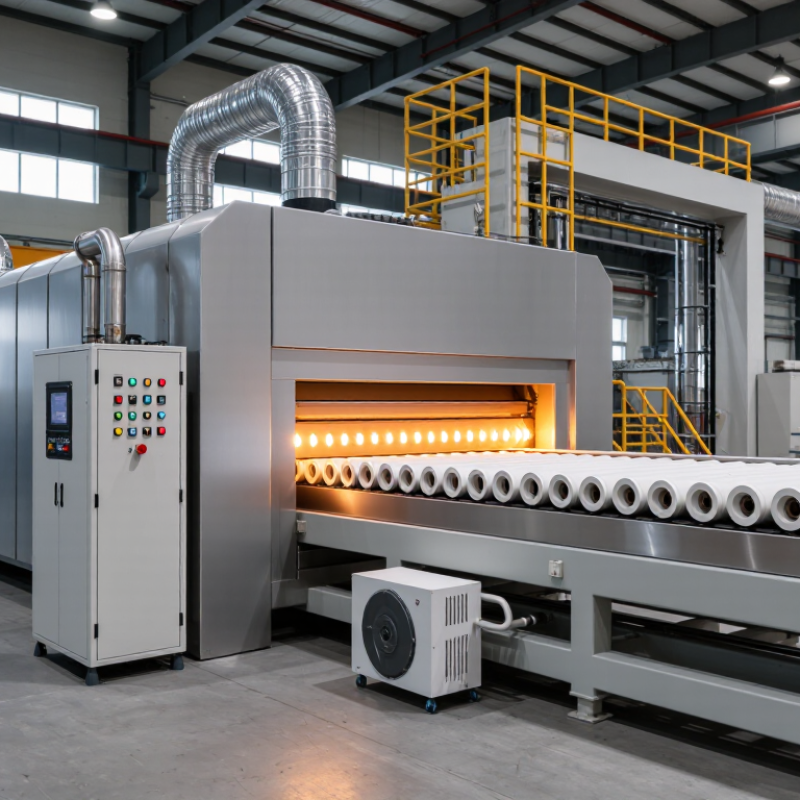
A roller kiln carries products through heated zones on rotating ceramic rollers. This continuous movement supports steady production and repeatable firing. Operators adjust roller speed, zone temperatures, and airflow to match the product. A small speed change can affect heat absorption and final color. Thermocouples help track conditions, but readings may not show every temperature difference across a wide kiln.
Roller kilns are commonly used for ceramic tiles, sanitaryware components, and other products that tolerate continuous handling. Their value depends on the material, product thickness, firing range, and required output. For example, a thick tile may need a slower cycle than a thin one. Even a good firing profile needs testing. A flat temperature chart can still hide uneven results across the kiln width.
Tips: Check roller alignment and watch for dust or glaze buildup. Record speed, temperature, and sample results together. Small trials help reveal weak points before production scales up. Do not assume one setting will suit every batch.
China Best Roller Kiln Firing Solutions for Buyers?
How the Roller Kiln Firing Process Works
A roller kiln moves ceramic pieces through heated zones on rotating rollers. The ware enters a preheating area, where moisture and residual heat are managed gradually. It then passes through the firing zone, where temperature and kiln atmosphere shape the final properties. In the cooling zone, controlled heat loss helps reduce thermal stress. Timing matters: line speed affects how long each piece spends in every zone. A fast cycle may save energy, but uneven loading can leave pieces underfired or warped. Real production lines need adjustment; a temperature chart alone cannot explain every defect.
Tips: Check roller alignment, record zone temperatures, and inspect pieces from different positions across the kiln. Keep a consistent loading pattern. Small changes can reveal useful clues. Still, diagnosing a firing issue may take several test runs, and operators should compare results before changing multiple settings at once. Calibration and regular maintenance support repeatable firing, but they do not replace careful observation. A slightly uneven batch is a reminder to review the whole process, not just the peak temperature.
| Process Stage | Typical Conditions | What Happens | Buyer Checks |
|---|---|---|---|
| Loading and conveying | Products travel continuously on heat-resistant rollers; loading layout depends on product size and kiln width. | Rollers move the ware through successive temperature zones at a controlled speed. | Confirm roller spacing, loading pattern, allowable product dimensions, and speed-control range. |
| Preheating | Temperature rises gradually; a broad indicative range is about 200–600°C, depending on the body and moisture level. | Residual moisture is driven off and the ware is warmed to reduce thermal shock. | Ask how temperature uniformity and exhaust flow are managed, especially for thicker or moisture-sensitive products. |
| Heating and firing reactions | The temperature profile is recipe-specific; many ceramic tile bodies are fired within an overall peak range of roughly 1,050–1,250°C. | The body undergoes chemical and mineral changes, while the glaze may begin to soften and mature. | Request a proposed firing curve based on the actual body, glaze, product thickness, and target output. |
| Peak firing and maturation | Peak temperature and time near peak vary by formulation; some tile processes use a short peak hold rather than a long soak. | The ceramic body densifies and the glaze develops its intended surface and properties. | Verify burner zoning, temperature measurement points, atmosphere control, and how the supplier will validate product quality. |
| Controlled cooling | Cooling rate is adjusted to the material and product; sensitive temperature intervals may require slower cooling. | The fired ware cools toward handling temperature while limiting thermal stress and defects. | Check cooling-zone capacity, airflow control, and provisions for products prone to cracking or glaze defects. |
| Unloading and quality inspection | Inspection criteria should match the product specification and applicable test methods. | Finished products are checked for dimensions, appearance, warpage, and other required properties. | Define acceptance limits and agree on a trial-firing plan before finalizing production settings. |
| Cycle time and capacity | Fast-firing tile cycles can be on the order of tens of minutes; actual residence time depends on the product and firing curve. | Kiln length and roller speed together determine how long each product remains inside the kiln. | Compare guaranteed output using your product dimensions, loading pattern, firing recipe, and expected operating schedule. |
Note: Temperature ranges are indicative examples for ceramic production, not universal operating setpoints. The correct firing curve must be established through testing of the specific body, glaze, product geometry, and required quality standard.
A roller kiln’s firing quality depends on more than its maximum temperature. Buyers should examine the usable temperature range, heating rate, and temperature uniformity across the kiln width. Ask how the supplier measures these values under a realistic load, not just in an empty chamber. A difference of a few degrees can affect glaze appearance or product strength. Small details matter.
Roller material, diameter, and spacing should suit the product’s weight and firing cycle. Check how the design limits roller bending and handles dust or glaze drips. The control system should let operators adjust heating and cooling zones without creating abrupt temperature changes. Also confirm the kiln’s atmosphere requirements, expected output, and energy use at normal production speed. These figures need context; a fast cycle is not useful if rejects increase.
Tips: Request a temperature-profile test with representative products. Compare energy use per fired unit, not only burner ratings. Ask about routine maintenance access and replacement-part lead times. A tidy specification sheet can still miss awkward site conditions, so verify floor space, exhaust connections, and loading height before ordering.
When evaluating Chinese roller kiln suppliers, start with your firing process, not a catalogue image. Share the product dimensions, body composition, target temperature, firing curve, and expected daily output. A capable supplier should explain how kiln length, burner arrangement, roller spacing, and control zones fit those details. Ask for temperature-uniformity data from comparable operating conditions. Vague assurances are not enough. Ask to see the measurement method.
Check the technical proposal line by line. It should identify the heating system, insulation materials, control components, energy assumptions, and key maintenance points. Request drawings that show loading clearance and connection locations. These details matter when the kiln reaches your factory floor. Compare estimated fuel use only when the production rate and firing schedule are stated clearly. Otherwise, the numbers may not be comparable.
Ask for references from installations making similar products, and confirm what support is available after commissioning. Clarify spare-part lead times, operator training, warranty coverage, and remote troubleshooting arrangements. If possible, review a factory acceptance test and agree on measurable acceptance criteria before ordering. A polished presentation can hide unanswered questions. I would also ask what the supplier would change after seeing your actual material tests. That answer may be imperfect, but it can reveal whether the discussion is technical or merely sales-driven.
China Best Roller Kiln Firing Solutions for Buyers?
Installation, Operation, and Maintenance Considerations
A dependable firing line starts with a careful site survey. Check floor level, foundation capacity, access routes, and space for future roller replacement. Confirm that electrical supply, fuel connections, exhaust, and cooling systems match the kiln design. Heat moves everything. Leave room for thermal expansion and follow the supplier’s installation drawings. Before commissioning, inspect roller alignment and record baseline temperatures across the kiln.
During operation, use a documented firing curve suited to the body, glaze, and production speed. Make gradual adjustments; sudden changes can cause uneven firing or thermal stress. Watch temperature zones, pressure readings, and product appearance. Small details matter. For example, a change in loading gaps may affect airflow and consistency. Maintenance should follow safe shutdown and cooling procedures. Inspect rollers for wear, deposits, and runout, and check seals, fans, sensors, and burner components at scheduled intervals. Keep service records, even when the readings seem ordinary.
Tips: Keep spare rollers and critical sensors available. Clean kiln surfaces with approved methods. Verify temperature instruments regularly, and compare readings with product results. A checklist helps, but it cannot replace an operator’s judgment; review procedures when recurring defects appear.
It moves products through heated zones on rotating ceramic rollers. This supports continuous production and repeatable firing.
Common examples include ceramic tiles and sanitaryware components. Suitability depends on the material, thickness, firing range, and required output.
They adjust roller speed, zone temperatures, and airflow. Small trials help show how changes affect the finished product.
Thermocouples track kiln conditions, but readings may not capture differences across the kiln’s full width. A flat chart can still hide uneven results.
Check floor level, foundation capacity, access routes, and space for roller replacement. Confirm that electrical, fuel, exhaust, and cooling systems match the kiln design.
Use a documented firing curve suited to the product. Make gradual adjustments and monitor temperatures, pressure, loading gaps, and product appearance.
After safe shutdown and cooling, inspect rollers for wear, deposits, and runout. Check seals, fans, sensors, and burner components on schedule.
Record speed, temperature, sample results, and service work together. It can feel repetitive, but missing records make recurring defects harder to understand.
Not always. Thick tiles may need a slower cycle than thin ones, and every firing profile still needs testing.
This article explains how Roller Kiln Firing systems support continuous, controlled heating in industries such as ceramics and advanced materials. It outlines the firing process, from product loading and movement through temperature-controlled zones to cooling and unloading, and describes how consistent heat distribution and process control can influence product quality, output, and energy use.
For buyers comparing Chinese suppliers, the article highlights practical evaluation criteria, including kiln capacity, temperature uniformity, production requirements, equipment configuration, technical support, and clarity of project specifications. It also covers planning for installation, operator training, routine inspection, and preventive maintenance. By assessing both equipment performance and after-sales support, buyers can make informed decisions and select a solution suited to their production goals and operating conditions.