0%

Isostatic Forming Ceramics is a precision shaping method that compacts ceramic powder inside a flexible mold. Pressure comes from every direction through a liquid or gas medium. This creates a denser and more evenly formed green body than many conventional pressing methods.

Ceramic-processing expert James S. Reed described the principle clearly: “Isostatic pressing applies pressure uniformly in all directions.” That uniform force helps reduce density differences, especially in complex shapes, tubes, rings, and advanced technical components. The mold is sealed, placed inside a pressure vessel, and exposed to high fluid pressure. After removal, the fragile compact is dried, machined when necessary, and sintered at a controlled temperature.

The details matter. Powder size, moisture, binder content, mold flexibility, pressure level, and holding time all affect the final result. A small air pocket can become a crack after firing. A poorly controlled pressure cycle may cause warping or uneven shrinkage.

The process is powerful, but not automatic. It does not remove every defect, and it cannot rescue poorly prepared powder. Operators must inspect density, dimensions, and surface condition after forming and sintering. That practical caution is sometimes overlooked.

This article explains how Isostatic Forming Ceramics works, where it performs best, and why manufacturers choose it for demanding ceramic applications. The method appears simple. Its consistency requires experience.
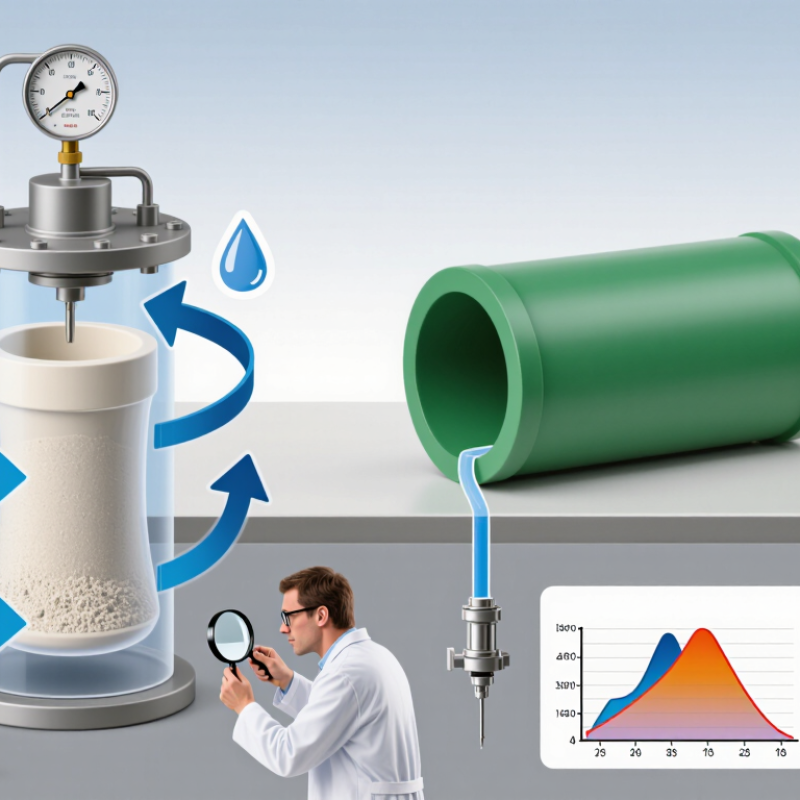
What Is Isostatic Forming Ceramics and How Does It Work?

Definition and Basic Principles of Isostatic Forming Ceramics

What Is Isostatic Forming Ceramics and How Does It Work?

Isostatic forming ceramics is a powder-shaping process that applies pressure evenly from many directions. Ceramic powder fills a flexible mold, often made from rubber or another pressure-resistant material. The sealed mold enters a liquid-filled pressure chamber. Pressure acts everywhere. This reduces the directional stress found in ordinary one-way pressing.

During cold isostatic pressing, liquid pressure compacts powder at room temperature. Particles move closer together and form a stronger green body. The shaped part then requires drying and sintering. Hot isostatic pressing uses high temperature and gas pressure. It can close internal pores in previously formed ceramic parts. However, these two methods serve different production stages and should not be treated as identical.

Good results depend on powder size, moisture, mold design, and pressure control. A technician may inspect the mold for trapped air before pressing. Even a small leak can create density differences or surface marks. Uniform density supports more predictable shrinkage during firing. The method is useful for tubes, discs, wear parts, and complex laboratory components. Still, isostatic forming is not magic. Poor powder flow can produce hidden defects. Small variations may only appear after sintering. In practice, engineers often compare density measurements, dimensional changes, and fracture surfaces before adjusting the process. Not perfectly. Reliable production usually comes from repeated testing, careful records, and realistic tolerances.

Materials, Powders, and Mold Preparation

What Is Isostatic Forming Ceramics and How Does It Work?

Materials, Powders, and Mold Preparation

Isostatic forming uses fluid pressure to compact ceramic powder inside a flexible mold. The pressure acts from every direction, reducing density differences in the green body. Cold isostatic pressing commonly operates between 100 and 400 MPa, depending on powder chemistry and part geometry. A 2024 technical ceramics market report by Grand View Research estimates continued market growth through 2030, increasing demand for reliable forming methods. That growth does not remove basic process risks.

Powder preparation controls much of the final result. Alumina, zirconia, silicon carbide, and other ceramics need controlled particle size, moisture, and binder content. Granules around 50–150 micrometres often improve filling and flow, but one range cannot suit every formulation. The mold usually uses polyurethane or rubber, with smooth internal surfaces and carefully sealed openings. Air pockets can create visible laminations or hidden cracks. Poor venting remains an easy mistake.

In practical trials, I would inspect the powder flow before pressing. Small changes in moisture can alter compaction noticeably. Mold flexibility also matters; a stiff section may produce uneven shrinkage after firing. ISO 18754:2020 recommends density and strength evaluation methods for advanced ceramics, yet laboratory measurements rarely reveal every production defect. The process looks simple. It is not always forgiving.

I would record pressure, holding time, powder lot, and mold condition for every batch. This creates traceable evidence when dimensions shift later. Rushing mold preparation is rarely economical.

Step-by-Step Process of Isostatic Ceramic Forming

What Is Isostatic Forming Ceramics and How Does It Work?

Step-by-Step Process of Isostatic Ceramic Forming

Isostatic ceramic forming shapes powder under equal pressure from every direction. This method commonly uses a flexible mold, ceramic powder, and a liquid pressure medium. The powder must be dry, evenly blended, and screened before loading. Small moisture differences can later create weak areas.

Workers fill the mold carefully and remove trapped air where possible. The mold is then sealed inside a pressure vessel. A pump raises the surrounding fluid pressure gradually, often into the hundreds of megapascals. Equal pressure compresses the powder into a dense, uniform compact. The cycle may last several minutes. Pressure release must be controlled. A sudden release can damage the fragile shape.

After demolding, the compact receives careful visual and dimensional inspection. It may still contain binders or small density variations. The part is heated slowly during binder removal, allowing gases to escape without cracking the ceramic. Sintering then heats the compact below its melting point. Particles bond, shrinkage occurs, and strength increases. The final size is not always predictable. Engineers should compare actual shrinkage with test data and adjust the mold when necessary. My practical caution is simple: isostatic pressure improves uniformity, but it cannot repair contaminated powder or a poorly sealed mold.

Pressure Distribution and Shape Formation

Isostatic forming shapes ceramic powder through pressure applied evenly from every direction. In cold isostatic pressing, a sealed elastomer mold sits inside a liquid-filled chamber. Industrial systems commonly operate between 100 and 400 MPa, according to processing ranges reported in the ASM Handbook, Volume 7. The liquid transfers pressure around the mold, unlike rigid die pressing, where wall friction can create density gradients.

Pressure distribution controls shape formation. A carefully packed mold produces a more consistent green body, with fewer weak corners and internal voids. Research reviews in Ceramics International commonly report green-density uniformity within about 1–2% when powder filling, moisture, and pressure release are well controlled. The compact still changes during drying and firing. Zirconia and alumina parts may shrink substantially, so engineers enlarge the mold cavity according to measured firing data.

Small details matter. Uneven powder packing can distort a long tube or create a soft center. Air pockets are another quiet problem. Operators often increase pressure gradually, hold it briefly, then release it slowly. ASM guidance also emphasizes mold flexibility and particle-size distribution. In practice, the best pressure setting is rarely universal. A 300 MPa cycle may work for one powder, yet damage another mold or trap defects. That assumption needs testing. Density mapping, dimensional checks, and cross-section analysis provide stronger evidence than appearance alone.

Advantages, Limitations, and Common Applications

Isostatic forming shapes ceramic powder inside a flexible mold using uniform fluid pressure. Cold isostatic pressing commonly reaches 100–400 MPa, producing dense, evenly compacted blanks with fewer directional defects. The method suits alumina, zirconia, silicon carbide, and other advanced ceramics. According to Grand View Research’s 2024 industry report, the advanced ceramics market was valued at about USD 11.8 billion in 2023, with demand supported by electronics, energy, and medical components.

Its main advantage is consistent density across complex shapes. Long tubes, thick rings, and large discs become more practical than with one-direction pressing. Material waste can also fall because the process needs limited machining. However, tooling costs remain high, and cycle times are slower than conventional dry pressing. Flexible molds may wear, wrinkle, or transfer surface marks. Those issues are easy to underestimate. The U.S. Department of Energy’s advanced manufacturing studies also identify energy-intensive firing as a major cost factor, especially when near-full density requires prolonged sintering.

Applications include pump seals, electrical insulators, wear liners, biomedical components, and aerospace parts. Hot isostatic pressing adds heat and pressure, often above 1,000°C, to close internal pores after shaping. That improves reliability, but equipment investment and process control become much more demanding. In production, powder moisture, particle distribution, pressure release, and shrinkage must be monitored carefully. One imperfect assumption can distort the final dimensions.

FAQS

What is isostatic forming for ceramics?

It compacts ceramic powder inside a flexible mold using fluid pressure. Pressure surrounds the mold evenly. This reduces density differences in the unfinished part.

Which ceramic powders are commonly used?

Common choices include alumina, zirconia, silicon carbide, and similar technical ceramics. Particle size, moisture, and binder content need careful control. Small powder changes can affect final strength.

What powder size usually supports good mold filling?

Granules around 50–150 micrometres often flow and fill well. This range is not universal. Each formulation needs practical testing.

What pressure does cold isostatic pressing use?

Cold pressing commonly uses 100–400 MPa. The exact pressure depends on powder chemistry and part geometry. Excessive pressure may not solve poor powder preparation.

What makes a suitable flexible mold?

Polyurethane or rubber molds are commonly used. The inner surface should remain smooth and clean. Openings must be sealed carefully. Poor venting can trap air.

What shapes benefit from this forming method?

The method suits long tubes, thick rings, and large discs. It also supports complex blanks with fewer directional defects. Machining waste may decrease.

What are the main limitations?

Tooling can be expensive, and production cycles may be slower. Flexible molds can wrinkle, wear, or leave surface marks. Firing may require substantial energy.

Which process records should be kept?

Record pressure, holding time, powder lot, and mold condition for every batch. Also track shrinkage and pressure release. These details help explain later dimension changes.

How can operators reduce hidden defects?

Inspect powder flow before pressing. Check moisture, particle distribution, sealing, and venting. Inspect density and strength after forming. Laboratory results may still miss internal flaws.

How does hot isostatic pressing differ?

It combines heat and pressure, often above 1,000°C. The process can close internal pores after shaping. Equipment and control requirements become much more demanding.

Conclusion

Isostatic Forming Ceramics is a manufacturing method that shapes ceramic powders by applying uniform pressure from multiple directions. Unlike one-sided pressing, this process helps produce parts with consistent density, reduced internal stress, and more reliable dimensional accuracy. It can be used with various ceramic powders, binders, and additives, while flexible molds are prepared to match the desired component geometry.

The process generally includes powder preparation, mold filling, sealing, and placement in a pressure vessel. A liquid or gas medium then applies controlled pressure evenly around the mold, compacting the powder into a green body. After demolding, the part is typically dried, machined if necessary, and fired to achieve its final strength and structure. Isostatic Forming Ceramics is suitable for complex shapes, thick sections, and large components, making it useful in industrial, electrical, mechanical, and thermal applications. However, equipment costs, mold preparation, processing time, and possible post-forming shrinkage must be carefully managed.


Ethan

Ethan

Ethan is a highly skilled marketing professional with a deep understanding of the company’s products, customers, and industry landscape. Through years of experience in market research, content strategy, and customer communication, he transforms complex product information into clear, practical, and......