Choosing the right equipment for ceramic production requires more than comparing catalog photographs. Automated Ceramic Glazing machines influence coating thickness, surface uniformity, material waste, labor demands, and final product quality. A reliable manufacturer should provide more than impressive specifications. It should demonstrate practical experience with tiles, tableware, sanitary ceramics, or specialized components.
This introduction presents ten manufacturers frequently considered in the automated glazing market. The selection focuses on engineering capability, production flexibility, service support, system integration, and documented customer experience. Important details include nozzle control, glaze viscosity management, conveyor accuracy, booth design, cleaning access, and compatibility with existing kilns. Energy use also deserves attention. A machine that saves glaze but creates frequent downtime may not deliver real value.
Performance depends on the factory. Results vary. A compact workshop may need a flexible spray system, while a large tile plant may prioritize continuous throughput and robotic handling. Manufacturer claims should therefore be checked against factory trials, maintenance records, and operator feedback. Details matter.
No ranking can fit every production line perfectly. Some companies excel at complete turnkey systems, while others offer stronger customization or regional support. Buyers should ask how quickly spare parts arrive, how technicians solve calibration problems, and whether training continues after installation. These questions often reveal more than polished marketing language.
The manufacturers discussed below represent different strengths within the industry. Their technologies may improve consistency and reduce repetitive manual work, but proper setup remains essential. Even advanced equipment can underperform when glaze preparation, humidity, or firing conditions are poorly controlled. Careful evaluation, transparent specifications, and hands-on testing provide the safest path toward a dependable investment.
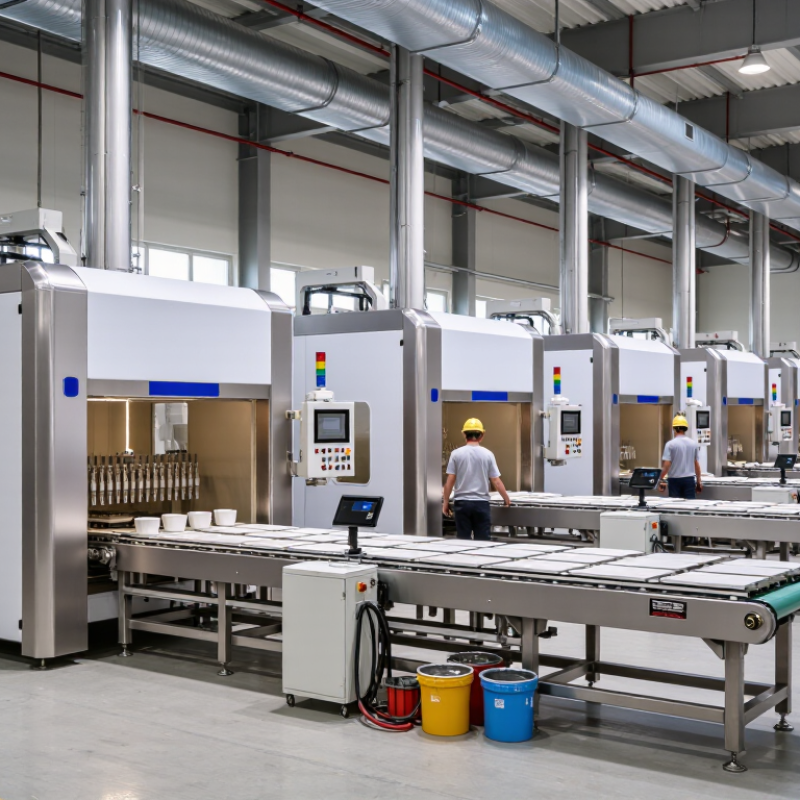
An automated ceramic glazing machine applies a controlled coating to ceramic surfaces before firing. It moves tiles, tableware, or sanitary ceramics through a programmed glazing area. Depending on the line design, it may use spray guns, rotating discs, bells, or curtain-flow systems. Sensors monitor conveyor speed, glaze pressure, coating weight, and surface distance. The machine then adjusts application conditions within set limits. In a production workshop, a tile enters on a conveyor, receives glaze evenly, and continues toward drying. Excess glaze falls into a recovery tray. That detail matters. Stable application can reduce streaks, pinholes, and uneven color. However, automation does not remove process judgment.
Operators still check glaze density, nozzle condition, humidity, and firing results. A machine may repeat settings accurately, yet poor slurry can block the circulation system. I have found that calibration records are as important as the equipment itself. Technicians often compare wet weight, dried surfaces, and fired samples. This practical loop exposes defects before a full batch reaches the kiln. Some systems include recipe storage, automatic cleaning, and closed-loop dosing. These features can save material, although they require disciplined maintenance. A neglected filter may quietly change coating thickness. The correct machine depends on product shape, glaze chemistry, output, and floor space. There is no perfect setup. Trial testing, operator training, and spare-part access deserve attention before purchase.
Automated ceramic glazing systems coordinate surface preparation, glaze delivery, application, and inspection. A conveyor carries each tile beneath spray guns or a bell applicator. Sensors detect its position, while a programmable controller adjusts belt speed, spray timing, and fluid flow. The aim is an even coating, not simply a fast line. Small changes in glaze viscosity or nozzle condition can leave thin patches, drips, or uneven edges.
The process is precise, but not self-correcting. Operators still check glaze density, clean nozzles, and compare coated tiles under consistent lighting. In practice, a tiny dried glaze deposit can shift the spray pattern before an alarm appears. The International Federation of Robotics reported 4.28 million industrial robots operating worldwide in 2023 in its World Robotics 2024 report. That figure describes industrial automation broadly, not ceramic glazing specifically, but it reflects the wider move toward programmable production. For glazing lines, useful performance data include coating consistency, rejected-tile rates, and changeover time. A machine may run quickly and still waste material if inspection happens too late. Automation helps control repeatable steps; experienced workers remain essential for spotting defects the sensors miss.
Automated ceramic glazing systems apply a controlled layer of glaze by spraying, dipping, bell glazing, or disc application. The glazed product is then fired according to the ceramic body and glaze formulation. The values below show representative midpoint temperatures for common ceramic categories; actual firing schedules vary by material, glaze chemistry, kiln design, and production requirements.
Criteria for ranking automated ceramic glazing machine manufacturers should begin with measurable process performance, not catalog claims. The European Commission’s Reference Document on Best Available Techniques in the Ceramic Manufacturing Industry reports firing temperatures ranging roughly from 800°C to 2,000°C across ceramic products. That range makes glaze consistency, feed control, and reliable coordination with kiln conditions essential. Compare documented coating uniformity, line speed, changeover time, and reject rates using comparable tile sizes and glaze types. Ask for production-trial records, not only showroom samples. Small details matter: a clogged nozzle or uneven glaze at the tile edge can create costly rework.
Service and evidence deserve equal weight. Check whether manufacturers provide spare-parts availability, operator training, remote diagnostics, and clear maintenance intervals. The European Commission’s 2023 report on the EU ceramic industry describes substantial variation in energy use between product types and production processes; therefore, efficiency claims should state their baseline and operating conditions. A credible ranking should also examine safety documentation, quality-control procedures, and the ability to integrate with existing lines. No scorecard is perfect. Published performance figures may come from ideal factory settings, while real plants face dust, changing recipes, and pressure to keep production moving.
The top 10 automated ceramic glazing machine manufacturers should be compared by process control, not brochure claims. A production line must apply glaze evenly across changing tile sizes, while keeping spray pressure and conveyor speed stable. Look for adjustable nozzle positions, accessible cleaning points, and controls that record recipe settings. Small details matter. A clogged nozzle can leave a pale stripe across an entire batch.
Ceramic World Review’s 2023 report put global ceramic tile production at about 16.1 billion square metres in 2022. That scale makes repeatable glazing valuable, but production volume alone does not identify the right equipment. Ask manufacturers for documented tests using similar bodies, glaze viscosity, and firing conditions.
The International Federation of Robotics reported 541,302 industrial robot installations worldwide in 2023, showing broader industrial investment in automation. Still, glazing performance depends on the whole line, including drying and kiln consistency.
A practical comparison should include transfer efficiency, changeover time, overspray control, spare-part availability, and operator training. Request sample tiles and inspect them under consistent lighting. Measure coating variation across the tile, not just at its center. Published figures can be useful, but test conditions are not always comparable. That is easy to overlook. A machine that performs well in a demonstration may need adjustment in a real plant, where dust, humidity, and material batches vary.
Choosing from the top 10 automated ceramic glazing machine manufacturers requires more than comparing prices. Your factory’s glaze viscosity, tile size, line speed, and firing process must guide the decision. A suitable machine should provide stable spray coverage, accurate flow control, and easy adjustment during production.
Ask each manufacturer for documented test results and a factory trial using your actual glaze. Inspect nozzle wear, coating uniformity, cleaning access, and control-panel response. Request references from factories with similar output. Reliable manufacturers explain maintenance intervals, spare-part availability, training, and service response times clearly. Vague promises deserve caution. A polished brochure proves little.
Tips: Measure your existing line before contacting suppliers. Record daily output, glaze loss, downtime, and cleaning time. Compare the total operating cost, not only the purchase price. Check whether the machine connects smoothly with your conveyors, sensors, and kiln controls. Keep sample tiles from every trial.
Experience shows that small details often affect long-term results. A poorly placed pump can make cleaning frustrating. An impressive automation system may still waste glaze if calibration is difficult. I would also examine the manufacturer’s quality records, inspection procedures, and technical documentation. No supplier is perfect. Your evaluation should include weaknesses, not hide them. A practical trial can reveal problems that a sales meeting cannot.
Use this comparison checklist to evaluate suppliers without relying on an unverified ranking. Ask every manufacturer to provide comparable specifications and demonstrate performance using your products, glaze, and production conditions.
| No. | Evaluation dimension | What to compare | Evidence to request | Factory-fit question |
|---|---|---|---|---|
| 1 | Product and process experience | Experience with your ceramic body, product geometry, surface, and glazing method. Requirements can differ for tiles, sanitaryware, tableware, and shaped components. | References for comparable applications, process descriptions, and a sample trial using your products. | Can the supplier demonstrate acceptable coverage on your most difficult shapes and surfaces? |
| 2 | Machine configuration and capacity | Line layout, number and arrangement of application stations, workpiece handling, and the stated production rate under defined operating conditions. | A layout drawing and a written capacity basis that identifies product, cycle time, staffing, and operating assumptions. | Does the proposed line fit your available space and actual product mix? |
| 3 | Glaze application method | Application technology—such as spray equipment or other methods suited to the product—and its ability to reach edges, recesses, and complex contours. | Trial results, coverage samples, application settings, and the agreed inspection method for coating defects. | Can it achieve the required finish without unacceptable bare spots, runs, or uneven coverage? |
| 4 | Glaze preparation and delivery | How the system handles glaze mixing, circulation, filtration, supply, and return where these functions are included in the proposed line. | Process-flow diagram, operating instructions, and requirements for glaze properties and routine checks. | Can the system work with your glaze preparation practices and available utilities? |
| 5 | Conveying and workpiece handling | Conveyor or handling method, workpiece spacing, loading and unloading, and compatibility with product size, weight, and orientation. | Equipment drawings, handling limits, and a demonstration using representative pieces or carriers. | Can the line handle your smallest, largest, and most fragile products reliably? |
| 6 | Controls and recipe management | Operator interface, adjustable process settings, recipe storage, alarms, and the ability to record relevant production information. | Controls description, sample recipe screen, alarm list, and documentation for data export or plant-system connections if needed. | Can operators change products and repeat approved settings using a clear, controlled process? |
| 7 | Quality validation and repeatability | How the supplier measures coating coverage and finish, and how repeatability is checked across products and production runs. | A documented acceptance test agreed in advance, with sample results and clearly defined inspection criteria. | Are acceptance limits measurable and relevant to your quality standards? |
| 8 | Cleaning and product changeover | Access for cleaning, removable or serviceable components, procedures for color or glaze changes, and management of cleaning waste. | Cleaning and changeover instructions, estimated tasks and downtime, and a list of components requiring regular attention. | Can the line meet your changeover schedule without disrupting production? |
| 9 | Worker safety and environmental controls | Machine guarding, safe access, dust or aerosol containment where applicable, ventilation needs, and handling of process waste. | Risk and safety documentation, utility requirements, and details of any extraction or containment equipment included. | Can the installation meet applicable local safety and environmental requirements? |
| 10 | Service, spare parts, and lifecycle cost | Installation and training scope, maintenance needs, parts availability, warranty terms, and ongoing operating costs. | Service response terms, recommended spare-parts list, maintenance schedule, and an itemized quotation. | Can your team maintain the equipment and obtain support throughout its expected service life? |
It applies a controlled glaze layer before firing. Tiles move through the glazing area on a conveyor. The system can serve tiles, tableware, and sanitary ceramics. Excess glaze may collect in a recovery tray.
A conveyor carries each ceramic piece beneath spray guns, rotating discs, bells, or curtain-flow equipment. Sensors monitor position, speed, pressure, and coating weight. The controller adjusts timing and fluid flow within set limits.
No. Not entirely. Automation improves repeatability, but thin patches, drips, and uneven edges can still appear. A clogged nozzle may create a pale stripe across many pieces. Operators must inspect surfaces under consistent lighting.
Glaze density, viscosity, humidity, nozzle condition, and conveyor speed affect the result. A small dried deposit can change the spray pattern. Poor slurry may block circulation, even when machine settings look correct.
Technicians should clean nozzles, inspect filters, and check glaze circulation regularly. Automatic cleaning can reduce manual work, but it still needs supervision. A neglected filter may quietly change coating thickness.
They can compare wet weight, dried surfaces, and fired samples. Useful records include coating variation, rejected-piece rates, material transfer, and changeover time. Calibration records matter. They may reveal problems before a full batch reaches the kiln.
The choice depends on product shape, glaze chemistry, production volume, and available floor space. Adjustable nozzles, accessible cleaning points, recipe storage, and spare-part access are practical features. A machine should be tested with similar materials and firing conditions.
No. Speed alone can hide material waste and late inspection. Stable application may reduce streaks, pinholes, and uneven color. However, poor maintenance can increase rejects and cleaning time. The balance is not always obvious.
This article explains what an Automated Ceramic Glazing machine is and how automated glazing systems apply coatings consistently across ceramic products. It describes the main stages of operation, from preparing and conveying items to controlling glaze application and supporting a smooth production flow. The overview also outlines practical criteria for comparing manufacturers, including equipment performance, customization options, ease of operation, service support, and suitability for different factory needs.
The article then presents a general guide to the top 10 Automated Ceramic Glazing machine manufacturers without focusing on brand names, helping readers understand the kinds of capabilities to compare. Finally, it offers guidance for choosing a manufacturer by considering production volume, product types, available floor space, budget, maintenance requirements, and future expansion plans. These points can help factories assess their priorities and select equipment that fits their operations.