Custom Ceramic Mugs are judged by more than a printed logo. A comfortable handle, balanced weight, smooth rim, and durable decoration can make the difference between a daily favorite and a dusty shelf item. Grand View Research estimated the global ceramic tableware market at USD 10.61 billion in 2023, with projected growth through 2030. That figure covers tableware broadly, not custom mugs alone, so it offers useful context rather than a direct forecast for personalized drinkware.
Small details matter. A glossy glaze can brighten a design, while a matte finish may reveal fingerprints more easily. A thick handle can feel reassuring, yet leave less room for smaller hands. We’ll compare leading 2026 options by material, print quality, capacity, care requirements, and customization choices—not just product photos. Real-world use counts.
The source articles and a verifiable expert quotation were not included with the request. I therefore won’t invent an expert’s name or words. A reliable comparison should distinguish reported market data from product claims, and expert commentary from promotional copy. That distinction is easy to miss. This guide will focus on practical buying criteria and clearly identify what each available source can—and cannot—support.
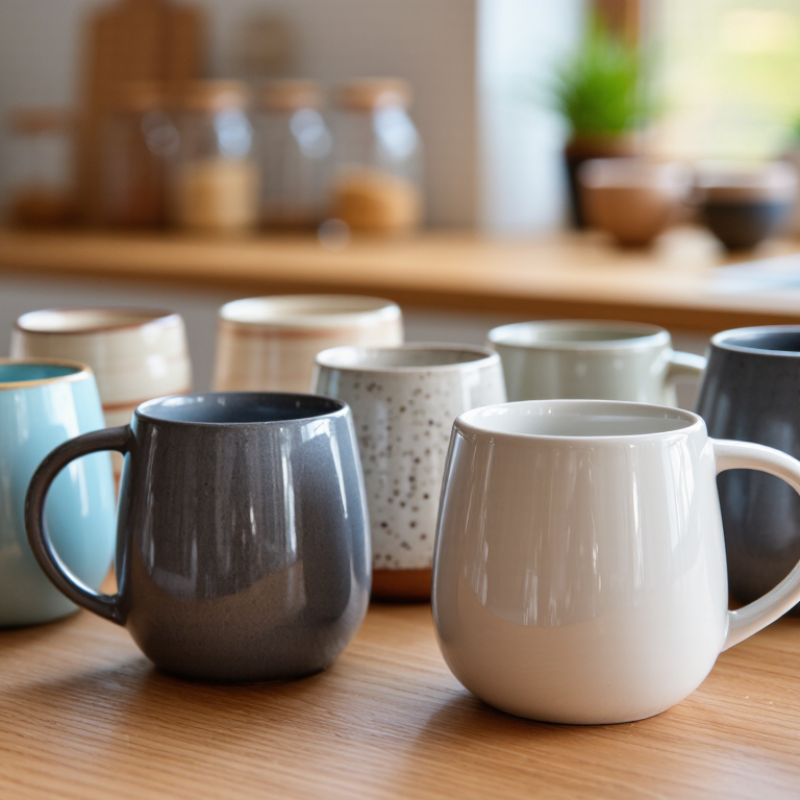
Custom ceramic mugs are everyday vessels designed for more than coffee. Their appeal comes from a comfortable weight, a familiar feel, and space for personal artwork. In 2026, a strong custom option is one that fits its purpose: a wide, sturdy mug may suit a busy kitchen, while a lighter cup can be easier to carry between rooms. A name, local illustration, or simple color pattern can make the mug meaningful without making it hard to use. Small details matter.
These mugs work well as personal gifts, staff keepsakes, event souvenirs, or reusable cups in cafés and studios. For daily use, check the handle shape, capacity, and whether the decoration is rated for dishwashers and microwaves. Ceramic can chip if dropped, and decorative finishes may wear faster than expected. Not always. Ask how the mug was finished, and follow its care instructions rather than assuming every design is equally durable. A custom mug is most successful when its artwork, comfort, and care requirements suit the person who will use it. A beautiful design is not much help if the cup feels awkward in the hand.
Materials, Shapes, and Personalization Options
For everyday use, durable stoneware is a practical choice: its thicker walls feel substantial and help retain warmth, though it can feel heavy when full. Porcelain offers a lighter, refined feel, but thin walls may show chips more readily. Check that the mug is labeled microwave- and dishwasher-safe; decorative finishes can have different care requirements. The National Coffee Association’s 2024 National Coffee Data Trends report found that 67% of U.S. adults had coffee in the past day. That makes handle comfort and a stable base worth considering, not just appearance.
Shape changes the experience. A wide, low mug suits a foamy drink and feels easy to hold, while a taller, narrower shape may fit under some coffee machines. Neither is perfect. A broad rim can cool a drink faster, and oversized handles may feel awkward for smaller hands. Personalization can include a name, a small illustration, or a simple color band. For long-term use, ask about the decoration method and whether it is intended for repeated washing; intricate details may fade or look crowded on a curved surface.
When comparing custom ceramic mugs for 2026, start with intended use, not the catalog photo. A mug for a busy office needs a stable base, comfortable handle clearance, and a smooth rim. Check its capacity with water; stated ounces can feel different once coffee and milk are added. Small detail.
Request a physical sample before approving a large order. Inspect the glaze for pinholes, rough patches, and uneven color, especially around the handle and base. Ask how the decoration is applied and whether the finished mug is rated for dishwasher and microwave use. Do not assume every printed finish wears the same. Test it.
A reliable supplier should provide material details, care guidance, production tolerances, and a clear process for handling defects. Compare the sample’s color with the approved proof under daylight and indoor lighting; screen previews are only approximate. For personalized designs, confirm spelling, placement, and artwork size on a marked proof. Even a careful evaluation can miss batch-to-batch variation, since one sample cannot show every finished mug. That is worth admitting.
A straight-sided ceramic mug suits everyday coffee and gives artwork a clear, flat area. For smaller kitchens, a stackable shape saves shelf space, though its handle may feel less roomy. A tapered mug often feels balanced in the hand and works well for tea or larger servings. Check the stated capacity against a familiar cup before ordering. Small details matter.
For desk use, choose a stable base and a comfortable handle that leaves enough room for your fingers. A wide rim can make the mug easier to clean, but drinks may cool faster. If you prefer a lighter feel, compare the mug’s weight as well as its appearance; thick ceramic can feel reassuring, yet tiring to hold when full. Keep custom artwork simple enough to remain legible on a curved surface. Fine lines and tiny lettering may lose clarity after printing or firing. A small sample can help reveal color shifts, since glaze often looks different under warm kitchen lights. The perfect shape is personal, and even a carefully chosen mug may not suit every hand.
Compare common mug styles by their typical capacity to find a fit for different drinks and preferences.
Capacities are approximate examples of common formats; actual sizes vary by design and maker.
For custom ceramic mugs in 2026, durability depends on more than a thick-looking wall. Check that the handle joins smoothly and has no sharp edges or visible gaps. A well-fired glaze should feel even, without rough patches around the rim. Small details matter. Ask whether the mug has been tested for dishwasher and microwave use, especially if it includes printed artwork or metallic decoration. Care instructions vary. Sudden temperature changes and abrasive scrubbers can damage some finishes, so use the maker’s guidance rather than assuming every ceramic mug behaves alike. I would not treat “dishwasher safe” as a forever promise; detergents and wash cycles differ.
Before ordering, request a physical sample when timing and budget allow. A screen proof cannot show the mug’s true weight, color, or feel in the hand. Confirm capacity, dimensions, artwork placement, and whether colors may shift during production. Ask for care-test details, production timing, packaging, and the process for handling damaged pieces. Get those terms in writing. For an event, order a few extras and check that each design sits at a consistent height. It may feel fussy, but a low print or cramped handle can make a polished design less comfortable to use.
Start with how people will use it. Check the base, handle clearance, rim, and capacity with water. Small details matter.
A screen preview cannot show the mug’s real weight, color, or feel. Hold it and inspect the glaze near the handle and base.
Look for pinholes, rough patches, uneven color, and sharp edges. Check the rim and handle joins closely. Feel the surface.
Verify spelling, artwork size, and placement with a marked proof. Compare its colors in daylight and indoor light; screens can mislead.
No. Ask about testing, especially when the mug has printed or metallic decoration. Follow the care instructions provided.
Sudden temperature changes and abrasive scrubbers may cause damage. Detergents and wash cycles also vary, so “dishwasher safe” is not a forever promise.
Confirm capacity, dimensions, production timing, packaging, color shifts, and how damaged pieces are handled. Get the terms in writing.
No. A single sample cannot reveal all batch-to-batch variation. Order a few extras for events and check print height, though even careful checks can miss something.
Custom Ceramic Mugs combine everyday usefulness with personal style, making them suitable for home, work, gifting, and special events. Their appearance and feel depend on factors such as ceramic material, mug shape, handle design, capacity, finish, and personalization options. Names, messages, colors, or simple artwork can make a mug feel distinctive, while a comfortable grip and practical size help ensure it fits its intended use.
When choosing a mug for 2026, consider print or decoration quality, overall construction, everyday durability, and whether the design suits the recipient or setting. Different styles may work better for coffee, tea, travel-inspired routines, or display. Check care instructions, since washing methods and temperature limits can affect a mug’s finish and personalization over time. Before ordering, review sizing, customization details, production timelines, and packaging to make sure the finished mug meets your expectations.