Explore our flagship, CE-compliant ceramic mold systems engineered for high-volume manufacturing, surgical glove dipping, decorative tableware, and micro-precision polymer forming.
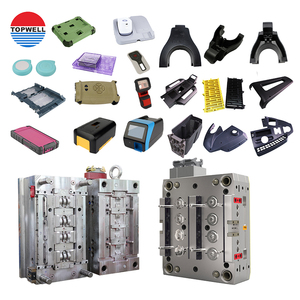


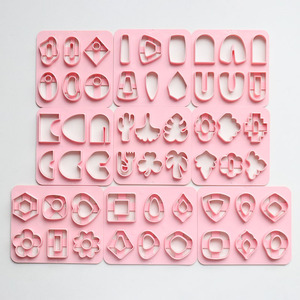
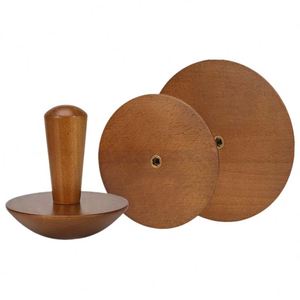
Operating dual production plants in Bangkok and Ratchaburi, Thailand, we export 95% of our high-performance ceramic molds, vitreous china tooling, and slip-casting dies to global industrial buyers across North America, Europe, and Asia.
Our manufacturing facility operates under strict quality management systems, fully certified by international standard organizations to guarantee zero-defect industrial output.



.jpg)
In modern industrial manufacturing, CE Certified ceramic molds and slip-casting dies serve as the structural backbone for high-precision manufacturing sectors ranging from medical glove dipping formers and tableware production to advanced technical ceramics and resin molding. Selecting the appropriate mold medium requires a rigorous analysis of thermal expansion coefficients, water absorption dynamics, mechanical flexural strength, and cycle longevity under high-pressure press conditions.
As an ISO 9001 and ISO 14001 certified global manufacturer with three decades of engineering experience, our technical teams combine state-of-the-art CAD/CAM mold engineering with propriety slip formulation chemistry. This whitepaper provides procurement directors, industrial engineers, and OEM brand buyers with actionable information gain regarding material selection, thermalshock endurance, and quality assurance benchmarking.
Traditional slip casting relies heavily on porous alpha-gypsum formulations. However, industrial continuous-casting processes demand elevated pressure tolerance. Our proprietary micro-porous ceramic molds incorporate ultra-fine capillary networks that maintain consistent slip de-watering rates while offering up to 10 times the compressive strength of standard plaster dies.
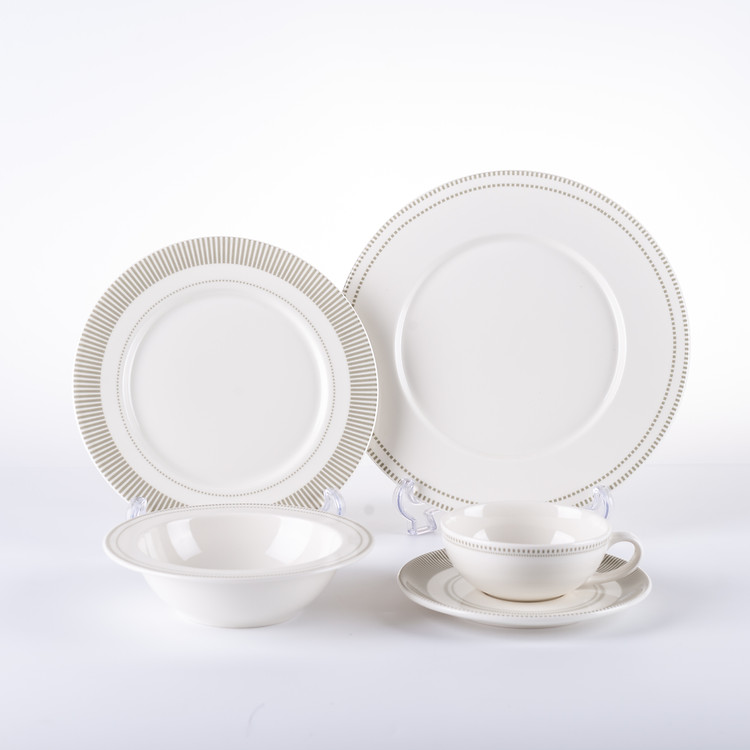
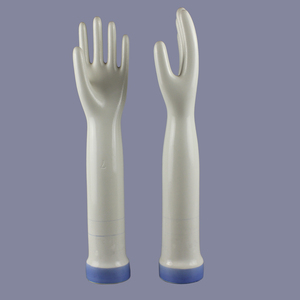
For applications requiring absolute chemical inertness and extreme thermal shock endurance—such as medical surgical glove formers or high-temperature glass forming dies—we utilize vitreous china bodies fired at 1,250°C. These molds feature a near-zero water absorption rate (<0.5%) and exceptional surface hardness.
Use the technical matrix below to cross-reference our core mold bodies against your facility’s operating parameters:
| Mold Material Type | Water Absorption | Firing / Curing Temp | Compressive Strength | Typical Cycle Life | Primary Industrial Application |
|---|---|---|---|---|---|
| Micro-Porous Ceramic | 18% - 24% (Controlled) | 1,150 °C | 38 MPa | 8,000+ Operations | Pressure Slip-Casting (Sanitaryware / Dinnerware) |
| Vitreous China Former | < 0.5% (Impermeable) | 1,250 °C | 85 MPa | 25,000+ Cycles | Medical Surgical Glove Dipping (Nitrile/Latex) |
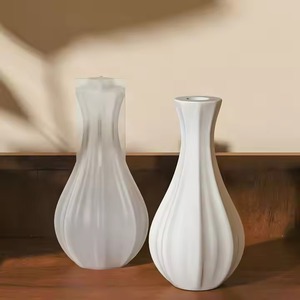
| Resin-Bonded Synthetic Ceramic | < 0.1% | 180 °C (Autoclave) | 60 MPa | 5,000+ Operations | Vases, Candle Jars, Resin Handcrafts |
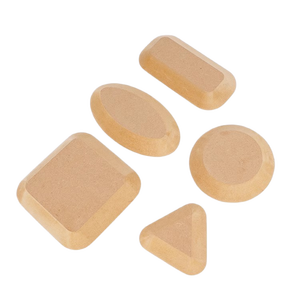
| Hardwood-Reinforced Alloy Die | N/A | Ambient / Machine Die | 110 MPa | 50,000+ Cycles | Clay Pressing & Decorative Top Forming |
As global supply chains transition toward Industry 4.0 automation and strict ESG compliance, ceramic mold sourcing strategies are undergoing structural evolution. Stay ahead of market shifts with these key technological projections.
The shift from manual plaster carving to direct 3D printed resin masters has reduced prototype development cycles from 6 weeks to under 7 days. High-precision stereolithography (SLA) master molds allow complex geometric undercut designs previously considered un-moldable.
European and North American buyers increasingly mandate zero-landfill mold production. Modern ceramic mold factories reclaim up to 98% of raw unfired clay slurry and feature energy-monitored shuttle and roller kilns that optimize natural gas combustion per kilogram of fired body.
Traditional gravity-fed slip casting is rapidly giving way to automated hydraulic and isostatic press lines. Molds designed for isostatic systems must endure multi-directional pressures up to 300 bar while maintaining sub-millimeter dimensional tolerances.

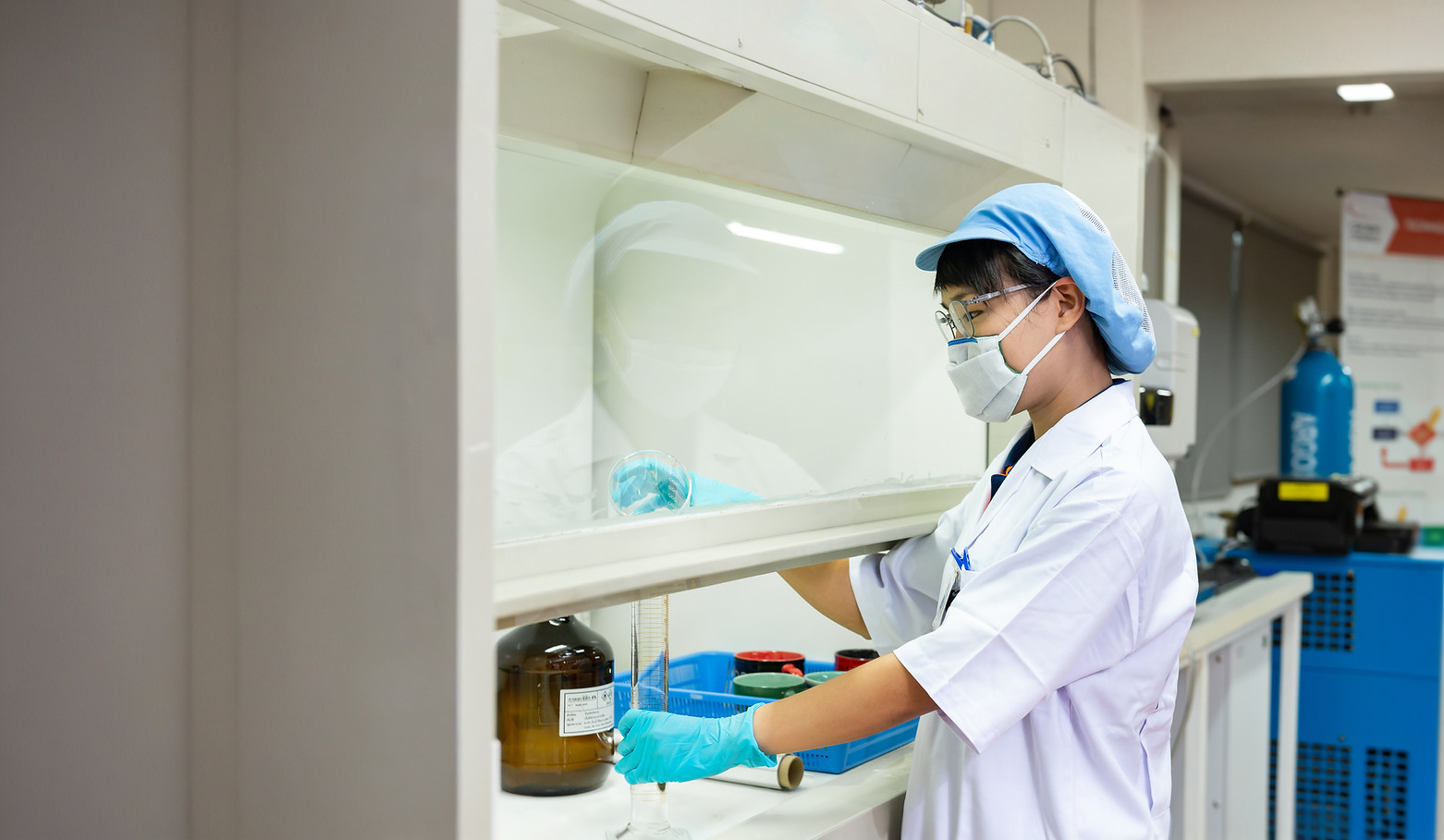
To ensure every shipment of ceramic molds or OEM products complies with international CE safety standards and rigorous procurement specifications, our dedicated laboratory performs comprehensive batch testing prior to container loading:
Verifies non-detectable lead & cadmium release under FDA standards.
Digital color-meter matching to eliminate batch-to-batch variation.
Dilatometer analysis prevents micro-crazing and thermal fatigue.
Controls slip grain distribution for uniform shrinkage rates.
Get definitive answers from our engineering team regarding minimum order quantities, production lead times, custom mold design, and CE compliance standards.
Our ceramic molds and slip-casting dies comply with European Union CE Directive guidelines regarding mechanical equipment safety, material inertness, and industrial workplace standards. For molds used in food-contact tableware or medical glove manufacturing, we certify that raw material slurries are completely free of hazardous heavy metals, fully meeting FDA 21 CFR standards, EU Directive 84/500/EEC, and REACH regulations.
Standard OEM industrial mold tooling development programs start at 500 to 2,000 units depending on mold complexity, geometry, and material composition. For high-volume continuous slip casting dies or medical surgical glove formers, production runs can scale seamlessly up to 50,000+ units per month. Mixed-container shipments and annual blanket purchase order agreements are routinely supported.
Once CAD files (.STEP, .IGES, or SolidWorks) are signed off, our rapid development studio generates first 3D-printed plastic or resin working models within 7 to 14 business days. Following master model approval, working plaster/ceramic master molds and fired pre-production test pieces are delivered for customer validation within 3 to 4 weeks.
Ceramic raw materials undergo predictable volumetric shrinkage during drying and high-temperature kiln firing (typically between 8% and 14%). We utilize proprietary computer simulation software to reverse-calculate thermal expansion and shrinkage rates. Combined with laser particle distribution analysis of slip batches, we consistently hold final product tolerances within ±0.02mm.
Yes. By utilizing high-resolution 3D optical surface scanners, our metrology lab can reverse-engineer physical mold reference samples, worn tooling components, or vintage tableware pieces into clean 3D parametric CAD models. We then optimize draft angles and parting lines to improve de-molding efficiency on modern production lines.
Submit your technical drawings, target price point, and monthly volume requirements. Our senior ceramic engineers will evaluate your specification and deliver a detailed engineering proposal within 24 business hours.
