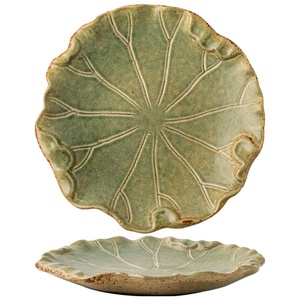
CE Certified Stoneware Plates Factories & Exporter

Technical Sourcing & Global Supply Chain Guide for Commercial Ceramics, HORECA Tableware & High-Density Vitrified Dinnerware

Featured Catalog

CE Certified Stoneware Plate Collections

Engineered for thermal endurance, chip resistance, and compliance with EU Food Contact Regulation (EC) 1935/2004 & FDA Standards.
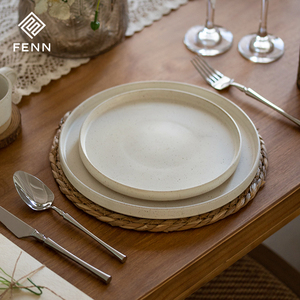
Natural Speckled Sesame Glaze Sustainable Country Style Charge Plate

Natural Speckled Sesame Glaze Sustainable Country Style Charger Plate

Firing: 1240°C High-T Glaze: Reactive Speckled Absorption: <0.5% Testing: CE / EU Approved
Get a Quote
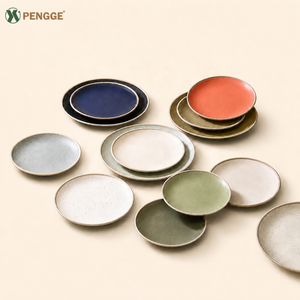
Wholesale Artisanal Stoneware Matte Reactive Glaze Serving Plate

Wholesale Artisanal Stoneware Matte Reactive Glaze Dish for HORECA & Cafe

Style: Wabi-Sabi Matte Usage: Commercial HORECA Edge: Reinforced Lip Dishwasher: 1000+ Cycles
Get a Quote
Matte Glaze Stoneware Dinner Plate Set Crockery

Matte Glaze Stoneware Dinner Plate Set Custom Crockery & Serving Dish

Material: High-Density Clay Finish: Satin Matte Custom: Logo / Backstamp Safety: Lead/Cadmium Free
Get a Quote
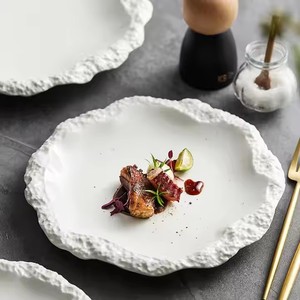
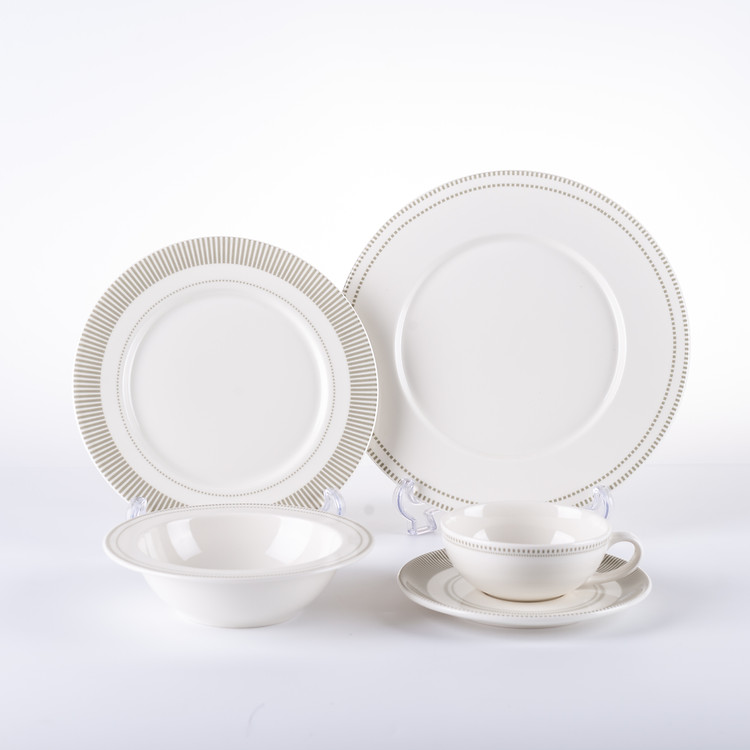
Fine White Hotel Daily Stoneware Steak Salad Plate

Fine White Hotel Daily 6/10/12 Inch Stoneware Steak & Salad Serving Plate

Size: 6" / 10" / 12" Option Body: Vitrified China Thermal: ΔT=180°C Shock Standard: ISO 9001 Line
Get a Quote
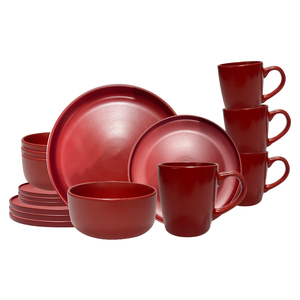
Luxury Italian Style Matte Red Stoneware Restaurant Party Plates

Luxury Italian Style Matte Red Stoneware Restaurant & Party Dinnerware Set

Palette: Terracotta Red Process: Roller Kiln Fired Hardness: Mohs Scale 7 Moq: Flexible OEM
Get a Quote
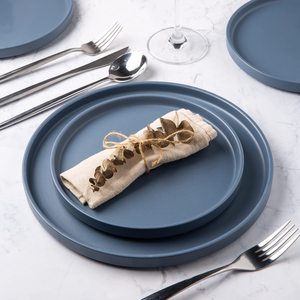
Blue Relief Stoneware Dish 21 cm Plate Durable

Blue Relief Embossed Stoneware Dish 21cm Durable Commercial Plate

Diameter: 21 cm Coupe Feature: Embossed Pattern Porosity: <1% Low Absorbtion Export: Global Logistics
Get a Quote
Retro Stoneware Snack Plate Personalized Ceramic Sushi Dish

Retro Stoneware Snack Plate Personalized Ceramic Sushi Dish with Holder

Niche: Fusion Dining Forming: Isostatic Press Glaze: Chemical Stable Compliance: CE / FDA Certified
Get a Quote
Frosted design custom logo rustic plates set dinnerware ceramic restaurant tableware

Frosted Rustic Stoneware Plates Set Custom Logo Hotel Tableware

Surface: Frosted Tactile Branding: In-Glaze Decal Microwave: Safe 220°C Audit: SMETA Certified
Get a Quote
30+
Years Manufacturing Mastery
10M+
Annual Piece Capacity
95%
Global Export Volume
100%
CE & Food Contact Compliant

CE Certification Engineering Standards for Commercial Stoneware Exporters

In international ceramic tableware procurement, navigating regulatory compliance across the European Union, North America, and global retail channels requires rigorous technical oversight. A genuine CE Certified Stoneware Plates Manufacturer does not merely apply a mark; it institutes continuous laboratory verification governing chemical leeching, mechanical density, thermal shock endurance, and firing kinetics.

Stoneware is characterized by an inorganic, non-metallic ceramic composition fired between 1,180°C and 1,260°C. At these elevated pyrometric Cone 5–6 profiles, clay minerals undergo extensive vitrification, bonding silica and alumina into a dense crystalline matrix with a water absorption rate under 0.5% to 3.0%. For commercial hospitality (HORECA) buyers and global retailers, compliance under EU Regulation (EC) No 1935/2004 and Directive 84/500/EEC (amended by 2005/31/EC) demands strict limits on Heavy Metal Migration:

Compliance Test Parameter EU CE Standard (Directive 84/500/EEC) FDA Compliance Policy (CPG 7117.06/07) Factory Technical Target (In-House Testing)
Lead (Pb) Release Limit ≤ 0.8 mg/dm² (Category 2) ≤ 0.5 mg/L (Flatware) < 0.05 mg/L (Atomic Absorption)
Cadmium (Cd) Release Limit ≤ 0.07 mg/dm² (Category 2) ≤ 0.25 mg/L (Flatware) < 0.005 mg/L (Non-Detectable)
Thermal Shock Endurance BS EN 1183 (ΔT = 150°C) ASTM C554 Standard ΔT = 180°C Quench Cycle (Pass)
Edge Chipping Resistance ASTM C368 Pendulum Impact ASTM C368 Pendulum Impact > 0.18 Joules Reinforced Rim
Dishwasher Corrosion Resistance EN 12875-1 Commercial (500 Cycles) Standard Wash Protocol 1,500+ Cycles No Glaze Dullness

Our factory utilizes Atomic Absorption Spectrometry (AAS) and Inductively Coupled Plasma Mass Spectrometry (ICP-MS) to analyze batch slips prior to mass production. By replacing lead-frit formulations with high-calcium, high-alkali mineral glazes, we ensure zero risk of chemical migration during high-acid food presentation (such as citrus-based sauces or fermented dressings).

Enterprise Manufacturing Capabilities: 30 Years of OEM/ODM Authority

Operating across dual manufacturing facilities in Bangkok and Ratchaburi, Thailand, our integrated plants produce over 10 million pieces per year. Serving global buyers across Western Europe, North America, Scandinavia, and Australia, 95% of our total volume is exported for leading lifestyle brands, department stores, and HORECA distributors.
Master craftsman finishing ceramic plate at Crown Ceramics factory

Advanced Ceramic Forming & Roller Kiln Infrastructure

Combining artisanal heritage with automation, our plants feature Isostatic Dry Pressing for high-density round rim plates and Automated Slip Casting for complex coupe shapes. Isostatic pressing exerts up to 300 bars of uniform pressure, drastically reducing dimensional warpage and delivering unmatched rim stability.

Continuous computerized Roller Kilns control temperature firing curves within ±2°C tolerances across 60-meter thermal chambers. This eliminates under-firing micro-porosity and prevents crazing over extended microwave and commercial wash cycles.
Automated ceramic glazing line and inspection conveyor

Glaze Chemistry Lab & In-House Studio Customization

With over 4,000 active glaze formulations—including satin matte, reactive crystals, speckled sesame, organic metallic, and traditional wabi-sabi effects—our chemical laboratory matches exact Pantone, RAL, or physical buyer swatches within 14 business days.

Our in-house ODM studio utilizes 3D Ceramic Printing to produce physical prototypes within 7 days of CAD sign-off, dramatically compressing seasonal development timelines for retail buyers and private label lines.

Global Procurement Trends: The Next Horizon in Commercial Stoneware

Data mining across hospitality chains, luxury resorts, and eco-focused retail groups reveals three pivotal shifts reshaping stoneware procurement over the next five years:

1. Circular Clay & Decarbonized Production

Sustainability has transitioned from a marketing headline to a strict procurement audit requirement. Leading European buyers mandate factories with ISO 14001 Environmental Certification. Our plant reclaims 100% of unfired greenware clay scrap back into the slip preparation phase and utilizes closed-loop water filtration to recycle 85% of industrial processing water.

2. Tactile Matte & Reactive Glazes

The market is shifting away from clinical monochrome white porcelain toward warm, tactile stoneware featuring reactive glaze movements. Because reactive glazes yield subtle variation per piece due to thermal reactions in the kiln, each plate offers a bespoke, handcrafted aesthetic while retaining commercial dishwasher stability.

3. Multifunctional Oven-to-Table Ergonomics

Labor shortages in HORECA sectors drive demand for versatile dinnerware capable of transitioning seamlessly from cold storage (-20°C) directly to convection baking (+220°C), and straight to dining tables. High-alumina stoneware formulations deliver superior thermal mass retention, keeping food hot longer at table side.

Audited Factory Credentials & International Certifications

Global supply chain security relies on verified compliance. Our facilities undergo annual third-party audits to maintain international quality, environmental, and ethical labor accreditations:

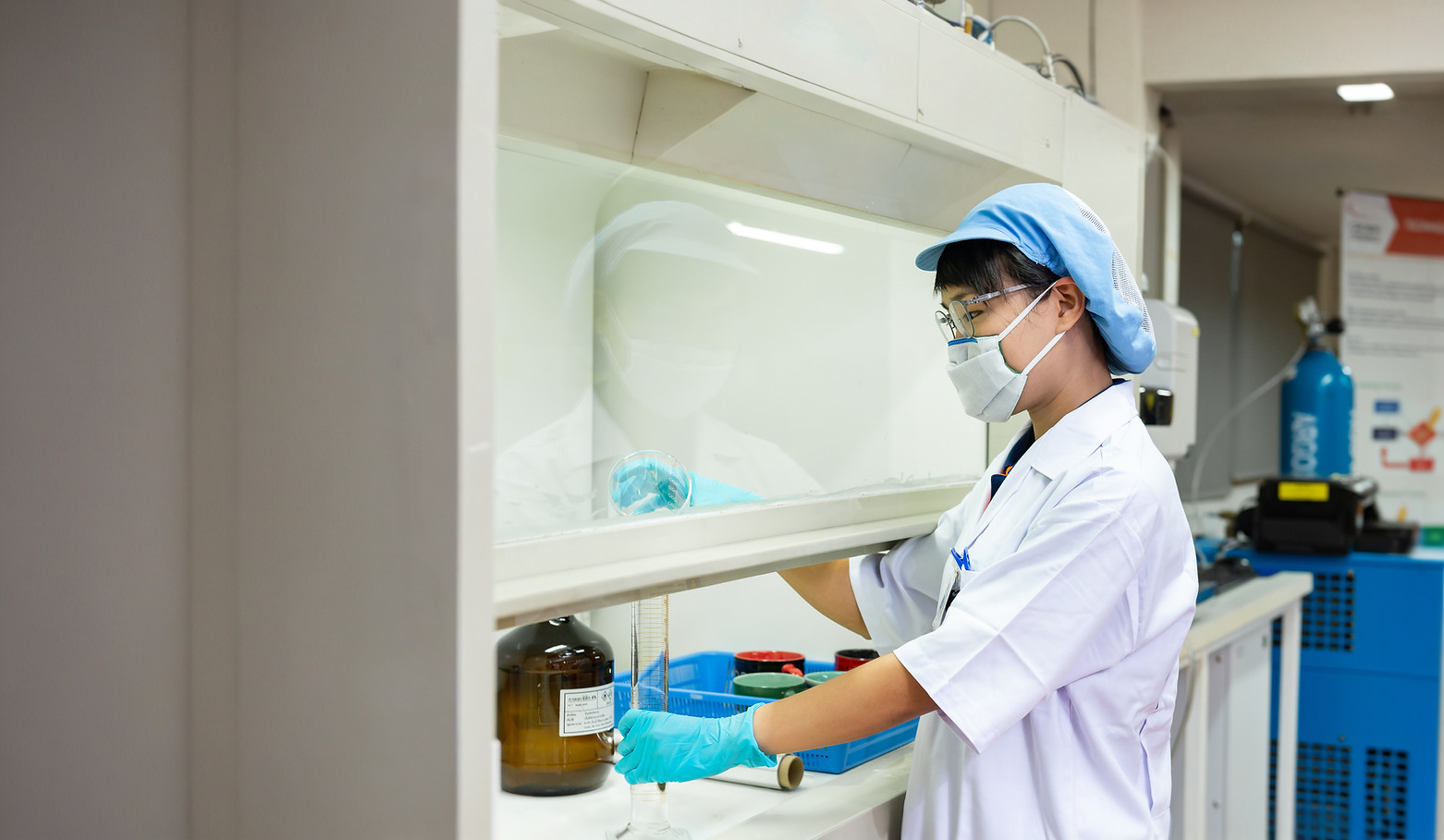
Crown Ceramics quality control laboratory technician operating spectrometer
  • ISO 9001 Quality Management: Rigorous process control from raw clay slip testing to final carton ISTA drop testing.
  • ISO 14001 Environmental Management: Audited waste reduction, clean kiln emission controls, and energy recycling.
  • SMETA Ethical Trade Audit: Pillar 4 audit covering labor standards, worker health & safety, and business ethics.
  • AEO Authorized Economic Operator: Fast-track priority customs clearance and secure export shipment protocols.

Sourcing & Compliance FAQ for B2B Buyers

1. What parameters guarantee that stoneware plates are CE certified for food contact?
CE compliance for ceramic tableware mandates adherence to Regulation (EC) No 1935/2004 and Directive 84/500/EEC. The plates must undergo laboratory testing via Atomic Absorption Spectrometry to prove lead migration is below 0.8 mg/dm² and cadmium migration is below 0.07 mg/dm². Every batch exported from our facility is accompanied by a formal Declaration of Compliance (DoC) and test reports from accredited laboratories (such as SGS or TÜV Rheinland).
2. What are the typical Minimum Order Quantities (MOQs) for custom OEM stoneware lines?
Standard OEM production runs start at 2,000 pieces per shape/color decoration for stoneware dinnerware. For vitreous china or custom backstamped retail programs, flexible tiered pricing is available. We also support consolidated mixed-container loading across dinner plates, salad bowls, side dishes, and mugs to assist buyers in optimizing inventory turnover.
3. How does stoneware differ from vitreous china and terracotta in performance?
Stoneware is fired at 1,180°C–1,230°C, delivering a warm aesthetic body with <3% absorption—ideal for retail lifestyle collections and organic HORECA dining. Vitreous china is fired at 1,220°C–1,260°C to achieve <0.5% absorption, offering maximum impact and edge-chip resistance for heavy institutional foodservice. Terracotta uses low-fired red clay (<1,050°C), perfect for artisanal oven bakeware and rustic presentation pieces.
4. How long is the sampling and mass production lead time for export orders?
3D sample models or initial hand-thrown prototypes are delivered within 7 to 14 days of CAD drawing approval. Glaze trial matching and pre-production samples require an additional 2 to 3 weeks. Once pre-production samples are signed off, complete mass production and container loading typically take 60 to 90 days depending on order complexity and sea freight schedules.
5. What packaging standards are used to prevent breakage during sea transit?
All export shipments undergo ISTA 3A drop testing. Plates are packed using heavy-duty corrugated dividers, individual protective foam sheets, inner micro-flute boxes, and reinforced 5-ply export master cartons. Cartons are stretch-wrapped on heat-treated ISPM-15 wooden pallets with corner edge boards for maximum container stability.

Partner with a Certified Stoneware Exporter Today

Consult with our ceramic engineering team for technical drawings, glaze samples, container quotes, and custom OEM/ODM dinnerware manufacturing programs.

Get a Quote