In the modern global tabletop trade, selecting a reliable CE certified tableware sets supplier requires looking far beyond basic visual aesthetics. Enterprise buyers across North America, Europe, Scandinavia, and the Asia-Pacific region demand strict adherence to international safety directives, low heavy metal leaching thresholds, thermal durability, and verified environmental footprint credentials. This benchmark whitepaper analyzes the engineering specifications, regulatory frameworks, material advancements, and OEM manufacturing execution required to build robust commercial and retail tableware lines.
Explore our top CE-certified product ranges, engineered for commercial hospitality, retail private labels, and eco-friendly consumer programs.

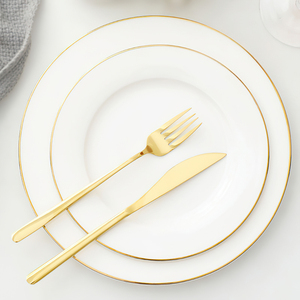
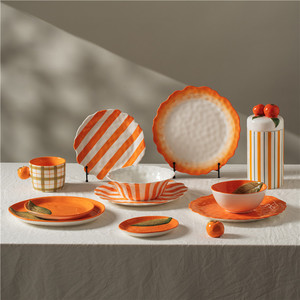
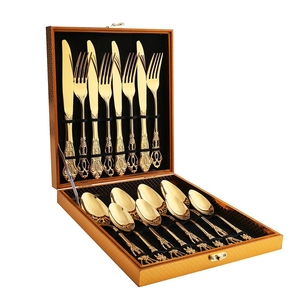
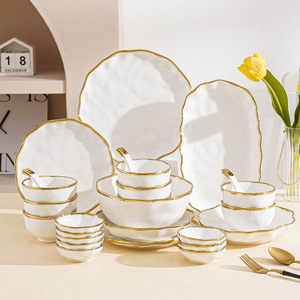
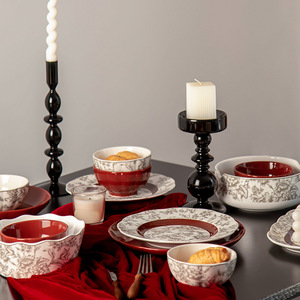
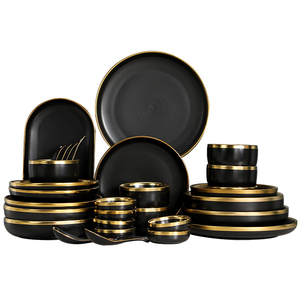
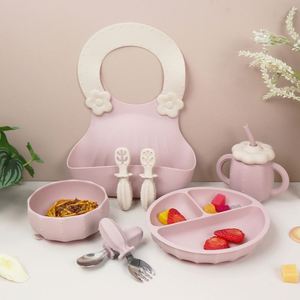
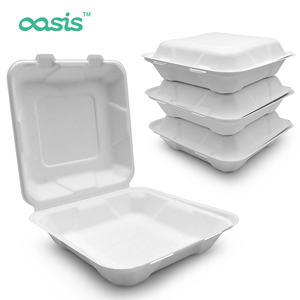

Understanding the legal testing requirements for ceramic, silicone, and bio-based food contact materials entering European and global commercial markets.
CE compliance for ceramic tableware dictates that glaze formulation and decoration must strictly limit heavy metal migration. Atomic Absorption Spectrometry tests ensure Lead (Pb) release remains below 0.8 mg/dm² and Cadmium (Cd) below 0.07 mg/dm² under standard 4% acetic acid leaching conditions.
Beyond general CE requirements, Premium European buyers demand compliance with German LFGB Section 30/31 and French DGCCRF regulations. Silicone baby sets undergo rigorous volatile organic compound (VOC) tests and peroxide value verification to eliminate off-gassing.
For disposable plant-fiber tableware (such as sugarcane bagasse lunch boxes), compliance requires 100% industrial compostability verification within 90 days. Heavy metal assays and fluorinated substance (PFAS/PFOS) elimination guarantees complete bio-safety.
Selecting the ideal body composition based on water absorption rate, thermal shock endurance, and channel suitability.
| Material Category | Firing Temperature | Water Absorption | Thermal Shock Threshold | Target Channel & Application | CE & Global Certifications |
|---|---|---|---|---|---|
| Vitreous China | 1,220 °C – 1,260 °C | < 0.5% (Non-porous) | ΔT = 180 °C to 200 °C | Star Hotels, Fine Dining, Airline Catering | CE 1935/2004, FDA CPG 7117.06/07 |
| Fine Bone China | 1,200 °C – 1,250 °C | < 0.2% (Translucent) | ΔT = 140 °C to 160 °C | Luxury Retail, Banquet Halls, Wedding Gifting | CE certified, ISO 6486-1 Heavy Metal Safe |
| High-Fired Stoneware | 1,180 °C – 1,230 °C | < 3.0% (Semi-vitreous) | ΔT = 150 °C to 170 °C | Lifestyle Retail, Bistro Chains, E-commerce | CE certified, LFGB Silicone/Glaze Safe |
| Platinum Cured Silicone | Liquid Injection Molding | 0% (Impenetrable) | -40 °C to 230 °C | Infant Weaning, Pediatric Care, Travel | CE certified, EU 10/2011, FDA 21 CFR 177.2600 |
| Sugarcane Bagasse | Thermoformed Fiber Press | Oil & Water Resistant | -20 °C to 120 °C | Eco Catering, Quick Service Restaurants (QSR) | CE certified, EN 13432 Compostable, BPI |
Strategic foresight for procurement managers, hospitality purchasing directors, and retail category leaders.
Global buyers are prioritizing factories with closed-loop clay recovery systems. Advanced OEM suppliers now reclaim up to 100% of unfired clay slip and filter 90%+ of production water, substantially lowering Scope 1 & 2 manufacturing emissions while maintaining structural density.
Traditional slip casting is rapidly giving way to high-pressure Isostatic Dry Pressing for flatware. This process achieves uniform density, eliminates structural micro-cracks, and guarantees strict dimensional tolerance across millions of pieces, crucial for automated commercial dishwashing.
Commercial dining trends demand artisanal, tactile aesthetics without sacrificing sanitation. Breakthroughs in lead-free reactive glaze chemistry allow matte, speckled, and metallic gold rim finishes to withstand over 2,500 industrial dishwashing cycles without surface clouding.
Importing non-compliant tableware into regulated jurisdictions risks costly customs seizures, recall liabilities, and irreversible brand damage. CE-certified tableware sets from audited suppliers undergo rigorous third-party batch testing, guaranteeing full traceability from raw kaolin clay mining through final roller kiln firing.
Leveraging over 30 years of ceramic engineering heritage to deliver scalable, high-precision tableware programs.
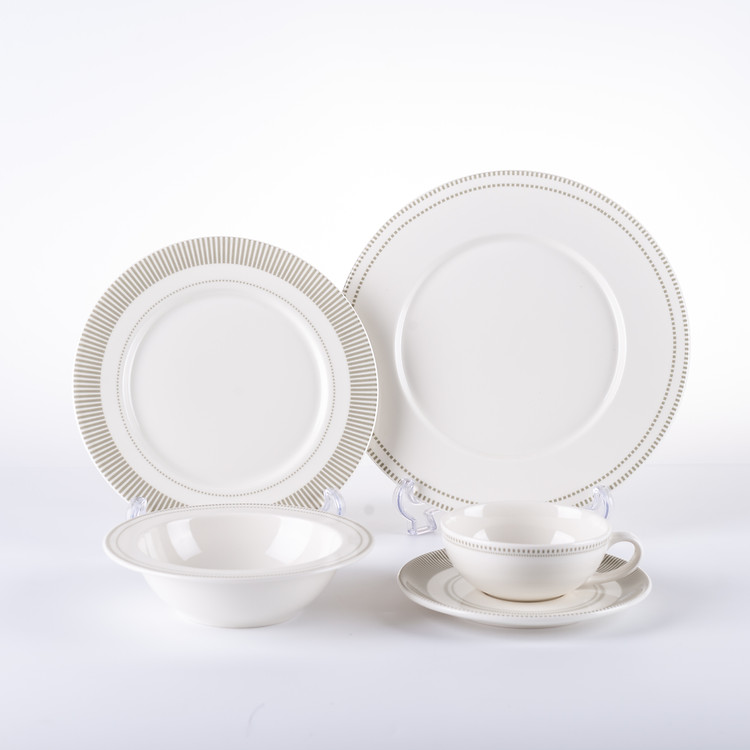
Operating across dual high-capacity manufacturing plants spanning over 100,000 square meters, our manufacturing facilities integrate continuous computer-controlled roller kilns, automated robotic glazing lines, and dedicated in-house chemical testing laboratories.
Independently audited facilities adhering to strict environmental, quality, and ethical trade protocols.


.jpg)
Direct answers to technical, commercial, and logistical inquiries from enterprise buyers.
A compliant CE tableware shipment must be accompanied by a formal Declaration of Compliance (DoC) under Regulation (EC) No 1935/2004. This document details laboratory test reports (conducted by accredited third parties like SGS, TÜV, or Intertek) measuring heavy metal leach rates under EU 84/500/EEC and 2005/31/EC directives.
Standard OEM production runs start at 2,000 pieces per shape and decoration style for high-fired stoneware or terracotta, and 3,000 pieces for specialized vitreous china or fine bone china sets. For high-volume retail programs or mixed-container shipments, MOQs can be optimized across complementary item shapes.
Initial 3D CAD modeling and prototype 3D printing take 7 to 14 days. Once physical master molds and glaze color trials are approved (2 to 3 weeks), pre-production lab testing requires 10 days. Mass production firing and packing typically take 45 to 60 days, delivering a complete order from brief to FOB port within 90 to 120 days.
Traditional physical gold application contains metallic elements that reflect microwave radiation. However, our engineered gold rim tableware utilizes advanced physical vapor deposition (PVD) or non-metallic in-glaze lustres that pass standard industrial microwave and 2,500-cycle commercial dishwasher durability tests without flaking or tarnishing.
Sugarcane bagasse is an upcycled agricultural byproduct. Unlike petroleum plastics or PLA-lined items, bagasse dinnerware is 100% natural fiber, certified industrially compostable under EN 13432, naturally oil-resistant up to 120 °C, microwaveable, and completely free of toxic PFAS/PFOS chemicals.
Connect with our senior engineering team to discuss custom molds, glaze matching, regulatory documentation, and volume pricing for your upcoming commercial tableware line.
