
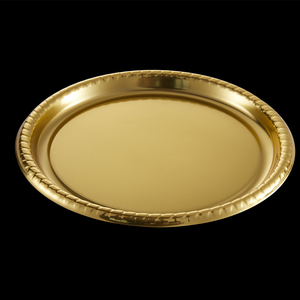
Engineered for high-frequency banquets, airline inflight service, luxury hospitality, and eco-conscious food service operations. Certified to FDA, LFGB, and EU food-contact standards.
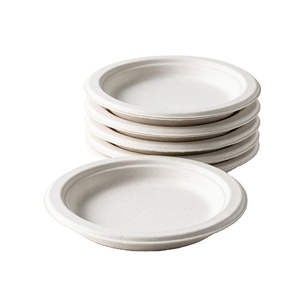
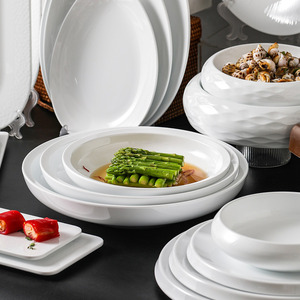

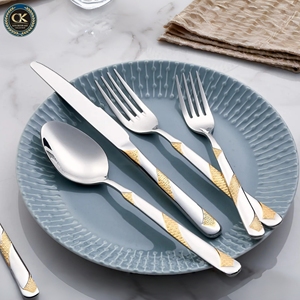
As an industry-leading China wholesale catering dinnerware supplier and original equipment manufacturer, our integrated industrial complexes operate under strict ISO 9001:2015 Quality Management and ISO 14001:2015 Environmental Management frameworks. certified by SMETA ethical trade audits and holding Authorized Economic Operator (AEO) status, we guarantee streamlined global export clearance and uncompromised structural reliability.
Our in-house analytical laboratory subjects every raw material slip, polymer batch, and finished vessel to rigorous material characterization standardizations prior to mass release:
| Test Parameter | Standard Testing Protocol | Performance Baseline | Commercial Value to Catering Buyers |
|---|---|---|---|
| Heavy Metal Extraction | Atomic Absorption Spectrophotometry (FDA 21 CFR / EU 84/500/EEC) | Lead < 0.05 mg/L, Cadmium < 0.01 mg/L | Guarantees 100% toxicological food safety for public health compliance. |
| Thermal Expansion Matching | Dilatometric Body/Glaze Coefficient Alignment | Zero crazing at 200°C to 20°C rapid thermal shock | Prevents micro-cracking during commercial dishwashing and heat lamps. |
| Impact & Edge Chipping | ASTM C368 Pendulum Impact Energy Test | > 0.45 Joules edge impact resistance | Dramatically reduces replacement costs in high-turnover hotel banquets. |
| Color Meter Consistency | CIELAB Spectrophotometric Analysis | Delta E (ΔE) < 0.4 across batch lots | Ensures perfect color matching when clients reorder multi-year batches. |
Whether molding vitreous china, heavy-duty A5 melamine, biodegradable sugarcane bagasse, stainless steel flatware, or aircraft-grade ABS sets, our production lines combine automated Isostatic pressing, high-pressure hydraulic molding, and computer-controlled roller kiln firing to maintain structural tolerance down to ±0.3mm.
A comprehensive evaluation of material mechanics, thermal endurance, lifecycle economics, and sustainability profiles for enterprise procurement directors.
Fired at temperatures exceeding 1,250°C, vitreous china exhibits a water absorption rate under 0.5%. Ideal for luxury hotel dining and high-traffic banquets due to its scratch resistance, knife-mark immunity, and thermal retention under heating passes.
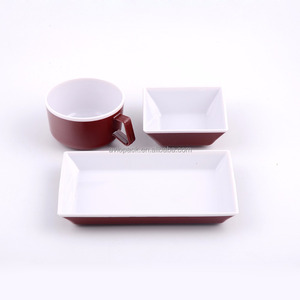
Formulated via thermosetting resin under high pressure, A5 melamine provides the tactile weight and gloss of porcelain without the structural fragility. Extremely cost-effective for cruise ships, university dining, buffet lines, and fast-casual chains.
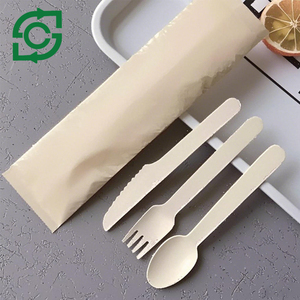
Derived from upcycled agricultural byproduct fibers, bagasse represents the gold standard in eco-friendly disposable catering. 100% bio-degradable within 90 days in commercial composting facilities, featuring high oil-resistance and structural integrity.
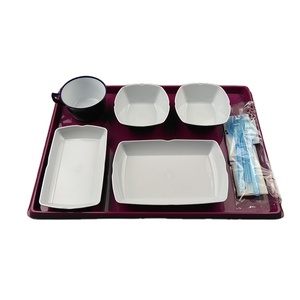
Engineered for inflight airline catering and tight-space transport logistics. Flame-retardant, impact-resistant ABS dinnerware fits standardized Atlas trays while reducing aircraft payload weight, lowering carbon emissions per flight leg.
Forged with 18% Chromium for rust protection and 10% Nickel for brilliant metallic lustre. Designed to withstand harsh commercial chemical sanitizers and thousands of industrial wash cycles without pitting or tarnishing.
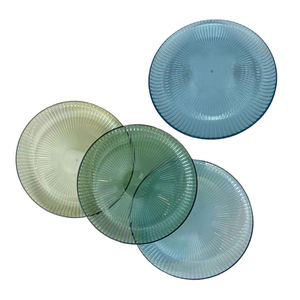
Fuses economical disposable plastic polymers with high-grade metallic vacuum coatings. Provides the visual prestige of silver or gold fine dining service for large-scale outdoor events while eliminating rental wash costs.
The global commercial catering dinnerware market is undergoing a paradigm shift driven by legislative ESG compliance, carbon border adjustments, and total operational cost optimization. Sourcing executives must align their supply chains with key structural shifts over the coming decade:
1. Decarbonization & Circular Material Economies: Single-use plastics are rapidly being replaced by certified plant-based composites such as sugarcane bagasse, PLA, and bamboo fiber. Advanced mold engineering now allows compostable fiber tableware to achieve non-porous liquid barrier performance matching traditional polymers without synthetic PFAS coatings.
2. Lightweighting without Structural Compromise: Inflight catering and high-volume mobile food caterers prioritize weight reduction to curb transportation fuel expenses. Through finite element analysis (FEA), modern plastic and ABS dinnerware sets optimize ribbing structure and wall thickness, delivering 25% weight reduction while increasing drop-impact survival rates.
3. Advanced Surface Coatings & Physical Vapor Deposition (PVD): Commercial flatware and metallic-coated display plates are moving away from traditional electroplating toward environmentally clean PVD titanium coating processes. This yields superior scratch hardness, zero chemical effluent during production, and vibrant finish retention under commercial sanitizing agents.
4. Smart Logistics & RFID Integration: Enterprise hotel chains and commercial event equipment rental operators are implementing custom dinnerware with under-glaze or embedded passive RFID microchips. This enables automated inventory scanning, reduces shrinkage during massive banquets, and streamlines containerized dispatch verification.
How we translate brand concepts into containerized, high-volume production deliverables.
We convert engineering drawings or conceptual sketches into digital 3D models within 48 hours, using SLA rapid 3D printing to create physical hand-samples for volumetric validation.
Master aluminum and steel molds are cut via CNC machining, calibrated to accommodate material thermal shrinkage during kiln firing or hydraulic compression.
Raw clay slips, polymer resins, or fiber pulps are blended in precise ratios, verified for particle size distribution and viscosity before slip casting or injection molding.
Under-glaze printing, laser etching, silk-screen decals, or custom backstamps are applied under protective layers, ensuring zero logo degradation under commercial use.
Controlled tunnel kilns and high-tonnage hydraulic presses run continuous production cycles monitored by optical thermal sensors for consistent vitrification.
Finished goods pass ISTA-certified drop-test packaging inspections prior to palletization, accompanied by full customs clearance documentation under AEO status.
Technical, logistical, and commercial inquiries clarified by our senior engineering team.
Request detailed product spec sheets, physical sample kits, or customized wholesale OEM quotes today. Our engineering sales team responds within 12 business hours.