Explore our export-ready ceramic collections manufactured under strict ISO 9001 quality controls for global importers, retail chains, and hospitality brands.

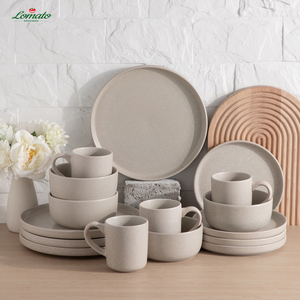
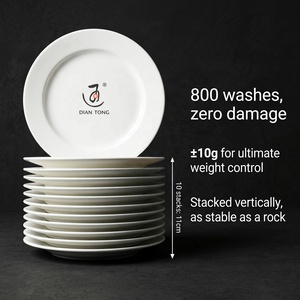
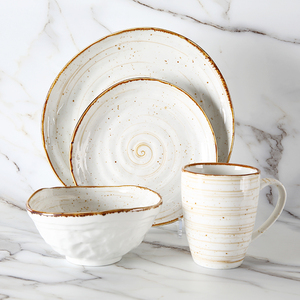
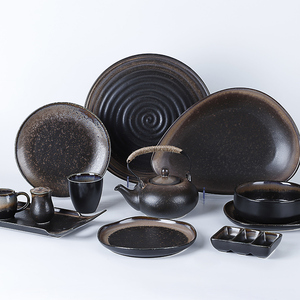
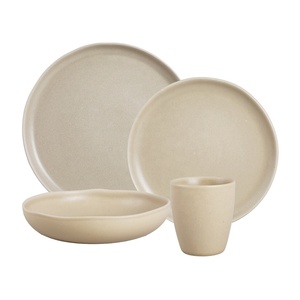
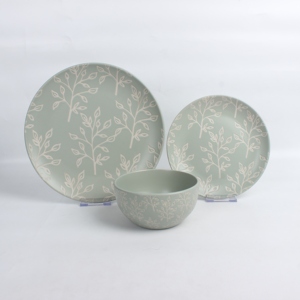
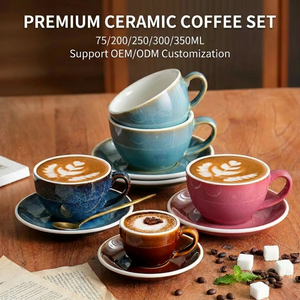
An authoritative analysis on material selection, thermal vitrification, quality assurance standards, and global supply chain optimization for institutional buyers.
In global tableware manufacturing, choosing the correct clay composition directly governs thermal stability, chip resistance, and per-unit landed costs. Wholesale buyers must distinguish between three core ceramic formulations:
Modern Chinese ceramic manufacturing leverages a blend of automated precision and artisanal glaze formulation. Key technologies deployed in our production lines include:
Refer to our laboratory test specifications below to determine the ideal material specification for your regional market compliance and functional environment.
| Technical Metric | Vitreous China (Fine Porcelain) | High-Fired Stoneware | Refractory Terracotta |
|---|---|---|---|
| Firing Temperature Range | 1220°C – 1260°C | 1180°C – 1230°C | 1000°C – 1150°C |
| Water Absorption Rate (BS 4034) | < 0.5% (Impermeable) | < 3.0% (Semi-Vitreous) | 5.0% – 10.0% (Porous) |
| Edge Impact Resistance (MOR) | High (> 140 MPa) | Medium-High (100–120 MPa) | Standard (60–80 MPa) |
| Thermal Shock Tolerance | ΔT 180°C to 20°C Pass | ΔT 160°C to 20°C Pass | ΔT 200°C (Oven Safe) |
| Primary Target Channels | Hotels, Luxury Dining, Airlines | Retail Chains, Lifestyle Brands | Bakeware, Artisanal Gifting |
| Compliance Standards | FDA 21 CFR, EU 84/500/EEC, LFGB | FDA 21 CFR, California Prop 65 | FDA Food Safe, GB 4806.4 |
Understanding shifting consumer demographics, eco-regulations, and aesthetic preferences is vital for retail buyers planning multi-season inventory roadmaps.
Global retailers are enforcing stricter Scope 3 carbon emission caps. The ceramic sector is rapidly adopting eco-conscious production frameworks including:
• Reclaimed Clay Blends: Incorporating up to 30% recycled post-industrial ceramic body scrap back into slip preparation without compromising structural modulus.
• Low-Temperature Glaze Vitrification: Formulating flux-rich glaze systems that vitrify at lower kiln temperatures, reducing natural gas usage by 14% per ton fired.
Uniform monochrome white dinnerware is increasingly sharing shelf space with organic, hand-crafted aesthetics. B2B buyers are requesting unique, scalable finishes:
• Controlled Reactive Glazing: Utilizing metal oxide crystallizations (copper, iron, cobalt) that yield custom variations on every piece while maintaining stackability dimensions.
• Silky Matte & Satin Finishes: Formulated with enhanced surface scratch resistance to eliminate cutlery grey-marking—a common flaw in legacy matte glazes.
Regulatory authorities across the US, EU, and Japan have drastically lowered permissible lead and cadmium extraction limits:
• Fritted Glaze Technology: Pre-melting raw glaze ingredients into insoluble glass frit prevents heavy metal leachability during contact with acidic foods.
• In-House Atomic Absorption Testing: Every export batch undergoes Spectrophotometry evaluation to ensure zero-detectable lead leaching under EU Directive 84/500/EEC.
Combining world-class production infrastructure in South East Asia and China with rigorous international quality standards.
Our operational management adheres strictly to international quality and ethical manufacturing benchmarks. We hold verified certifications including:
We bridge raw creative concepts into mass-produced commercial dinnerware through a streamlined 5-stage rapid development path:
Answers to crucial commercial, technical, and logistical questions concerning OEM ceramic tableware importation.
Send us your product specifications, 3D designs, or target price point. Our engineering and export team will deliver body recommendations, cost analysis, and sample schedules within 24 hours.
