
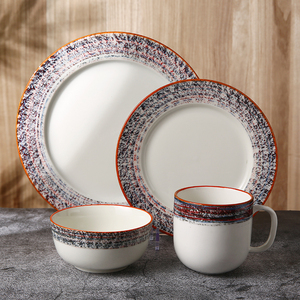
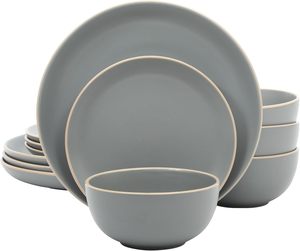
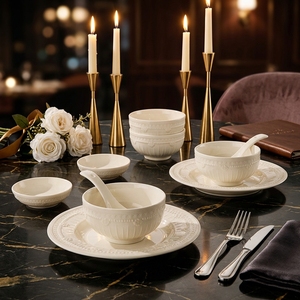
WEIYE Glazed Creative Crockery Ceramic Modern Porcelain Dinner Set
Porcelain / Vitreous
Reactive Glaze
Hotel Grade
Explore engineered commercial tableware solutions custom-built for international retail brands, hospitality groups, and bulk importers.
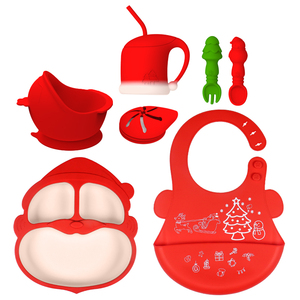
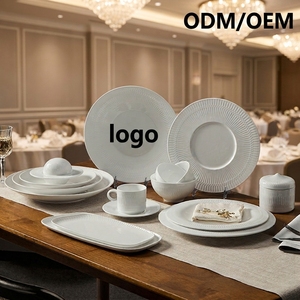
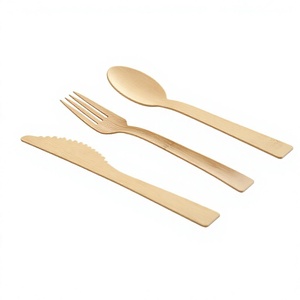
Key metrics that define top-tier Original Design Manufacturers in Southeast Asia and global export hubs.
As retail tableware brands, hotel procurement officers, and institutional buyers seek to de-risk supply chains, the demand for high-caliber Original Design Manufacturers (ODM) and Original Equipment Manufacturers (OEM) has shifted dramatically toward Southeast Asian manufacturing hubs, with Thailand establishing leadership in high-fired stoneware, vitreous china, and sustainable terracotta.
Top ODM manufacturers differentiate themselves through exact clay chemistry. Vitreous china fired at 1,220°C–1,260°C yields a water absorption rate under 0.5%, essential for preventing bacteria absorption, glaze crazing, and thermal shock failures in commercial dishwashers.
Moving away from traditional manual jiggering, Tier-1 factories utilize isostatic dry pressing. This guarantees uniform wall thickness, zero warping during kiln expansion, and high structural density across 100,000+ unit production runs.
Regulatory compliance is non-negotiable. Leading suppliers operate under ISO 9001 and ISO 14001, backed by SMETA ethical trade audits and AEO (Authorized Economic Operator) status to expedite global customs clearance.
The global dinnerware market is witnessing a convergence between artisanal aesthetics and industrial durability. B2B buyers no longer accept stark, sterile porcelain; instead, modern dining concepts demand reactive glazes, matte stoneware textures, hand-carved celadon reliefs, and tactile rim profiles.
Achieving batch-to-batch color repeatability with reactive glazes requires precise kilning atmospheres. Using multi-zone continuous roller kilns, leading ODM plants control heating curves within ±2°C. This ensures that every plate in a 20-foot container matches the approved pre-production master sample in color intensity, speckling, and surface tension.
Furthermore, sustainability has shifted from a marketing buzzword to a primary procurement metric. Modern ODM factories now integrate upcycled organic waste—such as rice husks and bagasse—as well as reclaimed unfired ceramic clay slips, effectively cutting raw material waste by up to 98%.
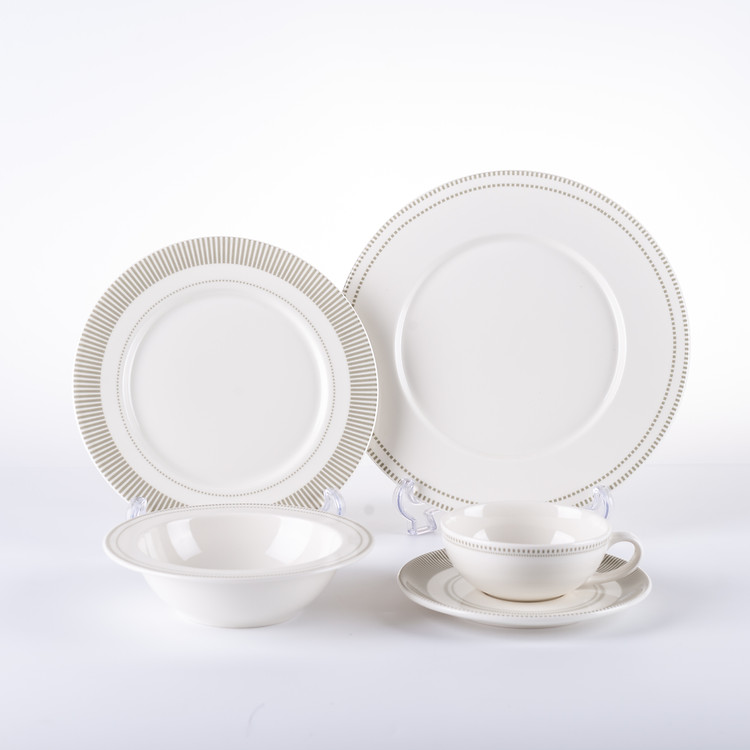
Use this technical capability matrix when evaluating Asian tableware suppliers for private label or OEM custom mold development.
From initial design concept to international container delivery in five streamlined stages.
CAD rendering, weight targets, glaze matching, and cost optimization based on target market price points.
Rapid 3D modeling and hand-thrown physical prototypes delivered within 7 to 14 business days.
Custom glaze trials, decalcomania printing, and atomic absorption testing for food contact compliance.
Full-scale kiln trial runs testing thermal shock expansion, dishwasher longevity, and rim impact safety.
Continuous roller kiln firing, inline automated inspection, drop-test packaging, and AEO export shipping.
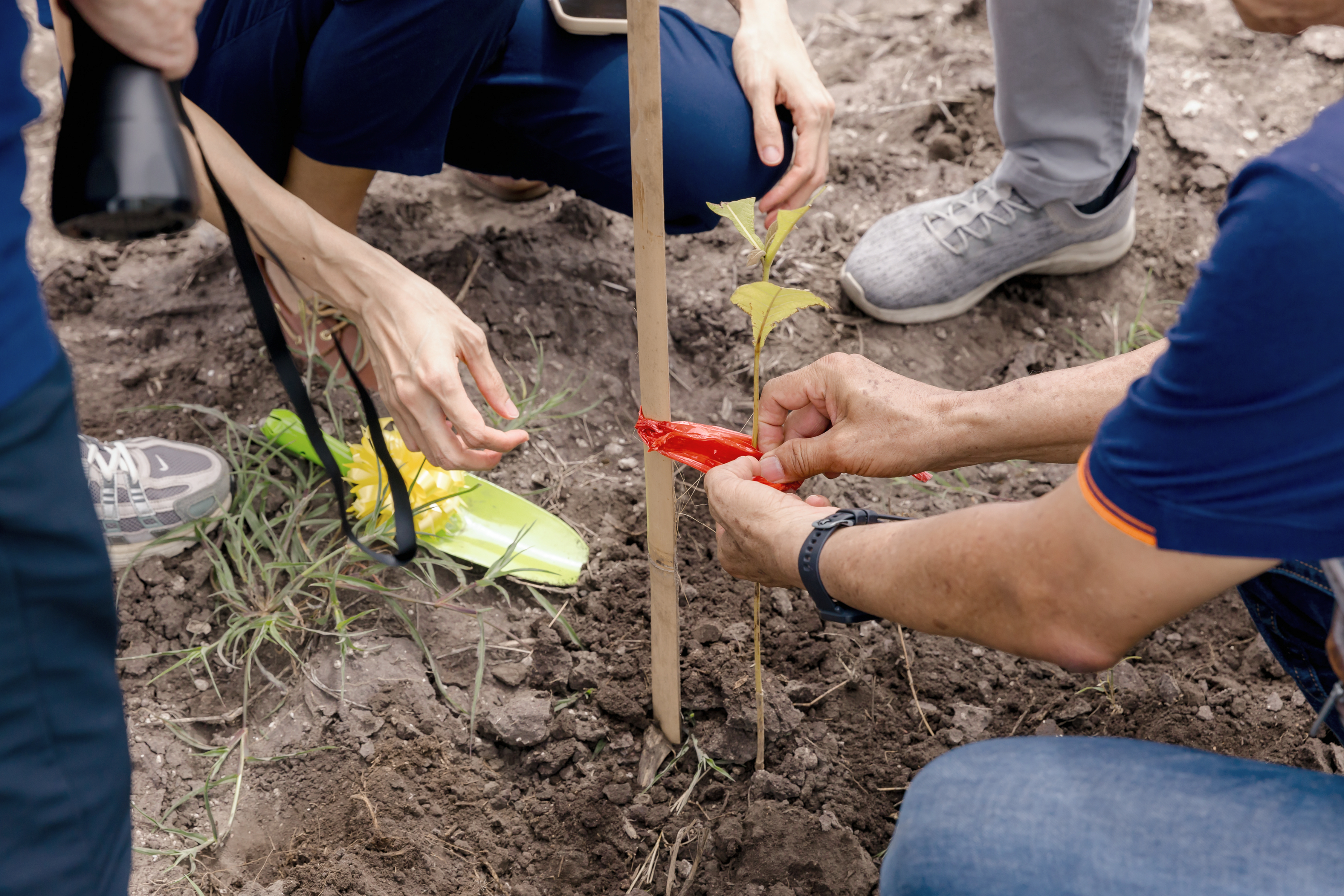
Operating out of strategic facilities in Bangkok and Ratchaburi, Thailand, Crown Ceramics Company Limited stands as a benchmark ODM/OEM partner for global brands. Spanning over 30 years of specialized ceramic manufacturing, the factory combines traditional clay mastery with modern German and Italian kilning tech.
Exporting over 95% of its 10-million-piece annual output to North America, Western Europe, Scandinavia, and Australia, Crown Ceramics guarantees full operational compliance across every shipment:

ISO 9001 Quality
ISO 14001 Environment

SMETA Ethical

AEO Secure Export
.jpg)
Food Safety Safe
Navigating shift factors in consumer dining, sustainable legislation, and global tariff structuring over the next decade.
Global buyers are actively diversifying away from single-source manufacturing. Sourcing from Thailand provides favorable trade tariffs, established logistics infrastructure, and duty-optimized access into North American and European ports.
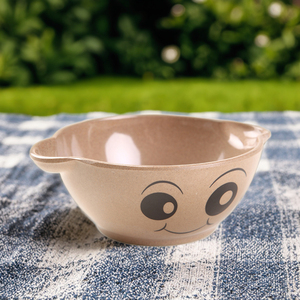
Retailers are expanding non-ceramic eco-friendly lines. Utilizing agricultural sub-products like rice husk fiber, sugarcane bagasse, and bamboo reduces carbon footprints while delivering lightweight, unbreakable children's and casual tableware.
Driven by storage constraints in modern urban kitchens and high-density restaurant environments, ODM collections are engineered with functional stackability metrics, zero-slip foot rings, and modular nesting shapes.
Essential technical and logistical answers for corporate buyers, brand managers, and sourcing agents.
For custom OEM/ODM stoneware and terracotta programs, typical baseline MOQs start at 2,000 pieces per shape and decoration. For specialized vitreous china lines, MOQs generally start at 3,000 pieces due to continuous kiln loading requirements. Mixed-container orders across multiple matching shapes are fully supported to streamline buyer inventory turns.
Vitreous China is fired at ultra-high temperatures (1,220°C+) to achieve water absorption below 0.5%, providing maximum chip resistance for hotels and restaurants. Stoneware offers water absorption under 3%, making it the ideal standard for retail lifestyle collections featuring reactive glazes. Terracotta is a warmer, red-clay body perfect for bakeware, serveware, and rustic dining aesthetics.
From technical CAD drawing approval, 3D-printed or hand-modeled physical prototypes are completed within 7 to 14 days. Glaze matching and decoration trials take an additional 2 to 3 weeks. Complete pre-production samples, backed by lab safety test reports, are typically released within 30 to 45 days, with full container shipment following in 90 to 120 days.
Qualified factories utilize in-house Atomic Absorption Spectrophotometers to test every glaze batch for heavy metal leaching, ensuring strict compliance with FDA CPG 7117.06/07, California Proposition 65, and European Directive 84/500/EEC. Test certificates accompany every shipped production lot.
Yes. Reputable ODM manufacturers sign legally binding Non-Disclosure Agreements (NDAs) and custom mold exclusivity contracts. When a client invests in custom tooling or specialized decal development, those designs are strictly protected against unauthorized production or third-party resale.
Partner with an established Southeast Asian ceramic manufacturer. Submit your technical brief, CAD drawings, or target specifications today to receive a comprehensive manufacturing proposal and sample kit.