

Wholesale Luxury Ceramic Porcelain Tea Pot & Eco-Friendly Nordic Set (1000ml)
Vitreous Porcelain1000ml CapacityCustom Glaze
Precision-engineered porcelain, stoneware, and vitreous china drinkware manufactured to FDA, EU 84/500/EEC, and ISO 9001 standards for global retail and hospitality channels.


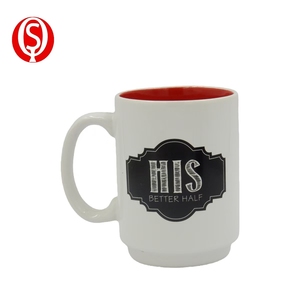
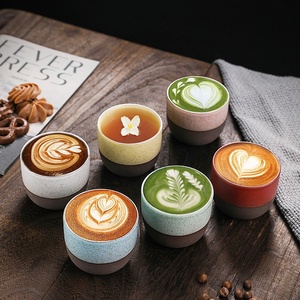
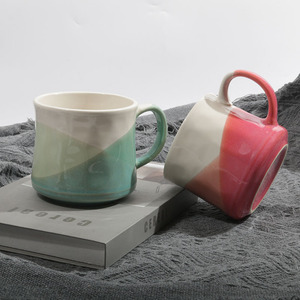

The global market for ceramic drinkware—encompassing commercial coffee mugs, artisanal stoneware tea sets, thermal porcelain tumblers, and hospitality-grade vitreous china cups—is undergoing a profound transformation. Sourcing directors, brand procurement managers, and hotel supply coordinators require partners who can deliver not merely low unit costs, but strict chemical safety compliance, thermal shock resilience, precise glaze replication, and audited ethical supply chain integrity.
As top-tier China and Southeast Asian manufacturing hubs consolidate high-efficiency roller kiln technology with advanced material science, buyers must evaluate suppliers using objective metrics: kaolin-to-feldspar ratio controls, automated slip-casting tolerances, atomic absorption spectroscopy for heavy metal extraction, and AEO-backed shipping speed. This whitepaper provides a comprehensive technical framework for assessing ceramic manufacturers and implementing risk-mitigated OEM/ODM procurement strategies.
Understanding the mineral composition and vitrification temperature of different ceramic bodies is vital for matching product specifications with end-use performance requirements. The three core ceramic bodies produced in modern industrial kilns exhibit distinct physical properties:
Quantitative parameters derived from laboratory testing (BS EN 1183, ISO 6486-1, and FDA CPG 7117.06/07 standards).
| Material Body Type | Firing Temperature | Water Absorption Rate | Thermal Shock Resistance | Dishwasher Cycle Rating | Primary Application Channel |
|---|---|---|---|---|---|
| High-Alumina Vitreous China | 1,280°C – 1,320°C | < 0.1% | ΔT = 200°C (Quench Test) | > 1,000 Commercial Cycles | Luxury Hotels, Airlines, Fine Dining |
| Standard Porcelain | 1,220°C – 1,260°C | < 0.5% | ΔT = 180°C | > 500 Home Cycles | Retail Brands, Corporate Gifting |
| Architectural Stoneware | 1,180°C – 1,220°C | 1.0% – 2.5% | ΔT = 150°C | > 350 Home Cycles | Boutique Retail, Specialty Coffee Mugs |
| Glazed Terracotta | 980°C – 1,050°C | 5.0% – 8.0% | ΔT = 120°C | Hand Wash Recommended | Artisanal Tea Sets, Specialty Serveware |
Strategic supply chain evolution driving next-generation ceramic drinkware manufacturing.
Leading manufacturers are implementing closed-loop filtration systems that capture and re-slurry 100% of unfired clay waste. Combined with natural gas roller kilns, recycled body content reduces carbon emissions per unit by up to 28%, meeting stringent European ESG procurement mandates.
Developments in crystalline micro-glaze formulations have dramatically boosted abrasion resistance. Modern matte ceramic drinkware now resists metallic cutlery marks, while hydrophobic smooth glazes suppress coffee oil residual staining and simplify commercial dishwashing.
Global brand owners demand full visibility from raw kaolin quarry to final port of loading. Tier-1 factories now maintain SMETA 4-Pillar, ISO 14001, and AEO (Authorized Economic Operator) status, securing fast-track customs clearance and mitigating compliance risks under global supply chain diligence laws.
For more than 30 years, our enterprise infrastructure has served leading international retail chains, boutique coffee roasters, and luxury hospitality distributors across North America, Western Europe, Scandinavia, and Asia. Operating two specialized manufacturing plants spanning over 120,000 square meters, we achieve an annual output exceeding 10 million pieces while exporting over 95% of total volume under strict private label agreements.
Key technical capabilities that set our facility apart include:
Every production batch undergoes a 5-step rigorous inspection protocol before container loading.
Particle distribution testing and moisture content measurement on incoming kaolin, feldspar, and silica slurries.
Automated visual and dimensional checking after initial drying to eliminate micro-fractures prior to bisque firing.
Glaze consistency and color matching evaluated against approved master boundary samples using digital colorimeters.
Atomic Absorption Analysis verifying Lead (Pb) and Cadmium (Cd) extraction limits match FDA and EU standards.
ISTA-standard drop tests on packed export cartons to guarantee structural packaging integrity during ocean transit.
Addressing critical commercial, technical, and logistical questions raised by global B2B procurement managers.
Standard MOQ for custom-molded stoneware or terracotta drinkware begins at 2,000 pieces per shape and decoration. For high-fired vitreous porcelain, the standard opening run is 3,000 pieces. However, for established retail partners running seasonal programs, mixed-container shipments across multiple SKUs can be coordinated to optimize inventory turns and container fill rates.
All glazes and pigments utilized in our facilities are 100% lead-free and cadmium-free. Every production run is sampled and subjected to Atomic Absorption Spectrometry and ICP testing in our certified lab to verify strict compliance with U.S. FDA CPG 7117.06/07, California Proposition 65, EU Directive 84/500/EEC, and German LFGB food contact standards.
Upon receipt of 2D/3D CAD drawings, physical prototypes are created within 7 to 14 days. Glaze formulation matching and pre-production pre-flight samples require an additional 2 to 3 weeks. Once pre-production samples are formally approved, mass kiln firing and packaging take approximately 45 to 60 days, resulting in a total timeline of 90 to 120 days from concept to vessel loading.
Yes. Our color studio matches Pantone TCX/TPG references as well as physical master tiles supplied by clients. Through controlled kiln atmosphere adjustments and precise metal oxide glaze chemistry, we consistently match glazes within a Delta E margin of < 0.8 across high-volume production batches.
We engineer custom packaging based on your distribution model—ranging from bulk master cartons with high-density corrugated dividers to individual drop-test certified mail-order gift boxes. All inner and outer packaging passes ISTA-1A or ISTA-3A 10-point drop testing to ensure less than 0.3% breakage rates upon port arrival.
Initiate your next OEM/ODM ceramic mug, tea set, or hotel tableware collection with our technical engineering team. Request rapid sample production, custom mold quotes, and complete compliance dossiers today.