Explore high-performance eco ceramic, vitreous china, and custom stoneware dinnerware collections engineered for international retail brands, hotel chains, and premium hospitality groups.








The global tableware procurement ecosystem is undergoing a structural paradigm shift. As corporate buyers, hospitality syndicates, and retail giants face stringent carbon disclosure mandates (such as the EU Corporate Sustainability Due Diligence Directive) and accelerating consumer demand for zero-waste dining, the choice of a ceramic manufacturing partner has evolved into a strategic compliance imperative.
Leading Chinese eco tableware manufacturers have moved far beyond traditional labor-intensive slip-casting. Today’s premier factories operate at the intersection of advanced material science, automated energy-reclaiming roller kilns, and circular resource management. By deploying closed-loop raw material recycling systems, top producers reclaim up to 100% of unfired clay body waste and process water, drastically minimizing Scope 1 and Scope 2 emissions while delivering commercial-grade tableware engineered to exceed 1,000+ industrial wash cycles.
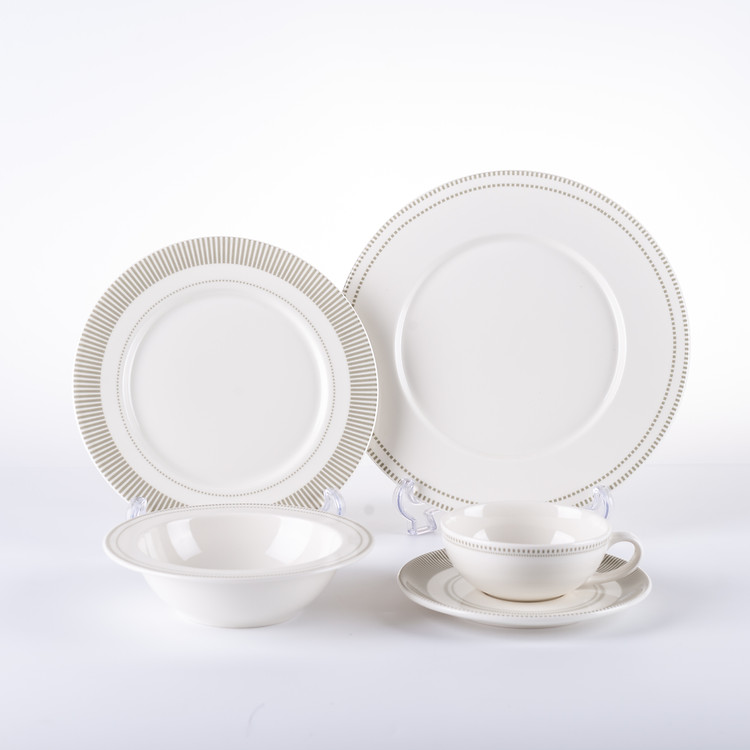
Achieving true sustainability in professional ceramic tableware manufacturing requires optimizing three critical variables: raw clay body formulation, glaze non-toxicity, and firing thermodynamics. Leading OEM/ODM manufacturing hubs utilize distinct ceramic bodies tailored to specific commercial channels:
Fired at extreme temperatures between 1,220°C and 1,280°C, vitreous china features a non-porous body with water absorption below 0.5%. Designed for high-impact commercial foodservice (HoReCa), it offers exceptional mechanical strength and edge-chip resistance.
Operating with water absorption under 3%, stoneware fired at 1,180°C–1,230°C provides a warm, organic aesthetic. It serves as the primary material for contemporary retail and lifestyle collections, seamlessly integrating reactive glazes without heavy metal fluxes.
Utilizing iron-rich clay bodies, terracotta provides unmatched thermal retention for specialty oven-to-table bakeware and artisanal serveware. Closed-circuit firing schedules minimize thermal shock risks for commercial kitchen use.
Traditional ceramic factories are notoriously gas-intensive. Next-generation Chinese eco factories have implemented Heat Exchange Recirculation Systems that capture hot air exhaust from continuous roller kilns and redirect it to body drying chambers.
This closed loop reduces overall natural gas consumption by 28% to 35% per metric ton of fired product. Coupled with automated spray-glazing robotics that achieve 98% glaze transfer efficiency, material waste is reduced to near zero.
Sourcing executives must align product specifications with evolving global market dynamics. Here are the primary macro trends redefining eco tableware manufacturing through 2030.
Regulatory bans on single-use plastics and growing health concerns over microplastic and formaldehyde migration from melamine under high temperatures have accelerated the shift back to 100% natural, fully inert ceramic tableware in public institutions, airlines, and hotel dining.
Global customs authorities are applying stricter enforcement of California Proposition 65 and EU Regulation (EC) No 1935/2004. Top China factories utilize non-heavy-metal inorganic mineral glazes, replacing traditional fluxing agents with ecological frit formulations to ensure absolute food safety.
Market demand has moved from high-gloss brilliant white towards organic earth tones, reactive speckles, and tactile satin-matte textures. Under-glazing and wax-resist techniques allow factories to create handcrafted aesthetic variations at full automated mass-production scales.
OEM sample lead times have dropped from 60 days to under 14 days. Advanced factories leverage industrial 3D clay printers and high-precision CNC mold cutting, enabling brands to iterate bespoke rim geometries, stackable foot designs, and functional ergonomics before mass casting.
Sustainable product value is lost if shipped in expanded polystyrene (EPS). Top Chinese exporters now integrate 100% recyclable, high-burst-strength corrugated paper molds, honeycombed protective wraps, and soy-ink printed cartons to comply with global extended producer responsibility (EPR) laws.
Institutional procurement teams increasingly demand full supply chain traceability. Certified factories maintain batch records for raw clay origin, heavy metal lab testing, and carbon footprints, offering digital passports to streamline customs clearance and audit reporting.
Use this engineering reference table to select the optimum ceramic material body based on operational environment, longevity metrics, and ecological footprint.
| Body Type | Firing Temp. | Water Absorption | Chip Resistance | Thermal Shock | Eco Impact / Recyclability |
|---|---|---|---|---|---|
| Vitreous China | 1,220°C – 1,260°C | < 0.5% (Impermeable) | Ultra-High | Δ 160°C Pass | 100% Inert, Infinite Re-crushability into Chamotte |
| High-Fired Stoneware | 1,180°C – 1,230°C | 1.0% – 3.0% | High | Δ 140°C Pass | Low-Frit Eco Glaze, Reclaimed Body Slurry |
| Fine Bone China | 1,200°C – 1,250°C | < 0.3% | Medium-High | Δ 120°C Pass | Premium Translucency, High Strength-to-Weight Ratio |
| Terracotta / Red Clay | 1,000°C – 1,100°C | 5.0% – 8.0% | Moderate | Δ 180°C (Oven Safe) | Zero Chemical Glazes, Natural Clay Biodegradability |
| Conventional Melamine (Plastic) | Formed @ 160°C | 0.0% | High | Poor (< 70°C max) | Non-Recyclable Thermoset Plastic (Landfill Bound) |

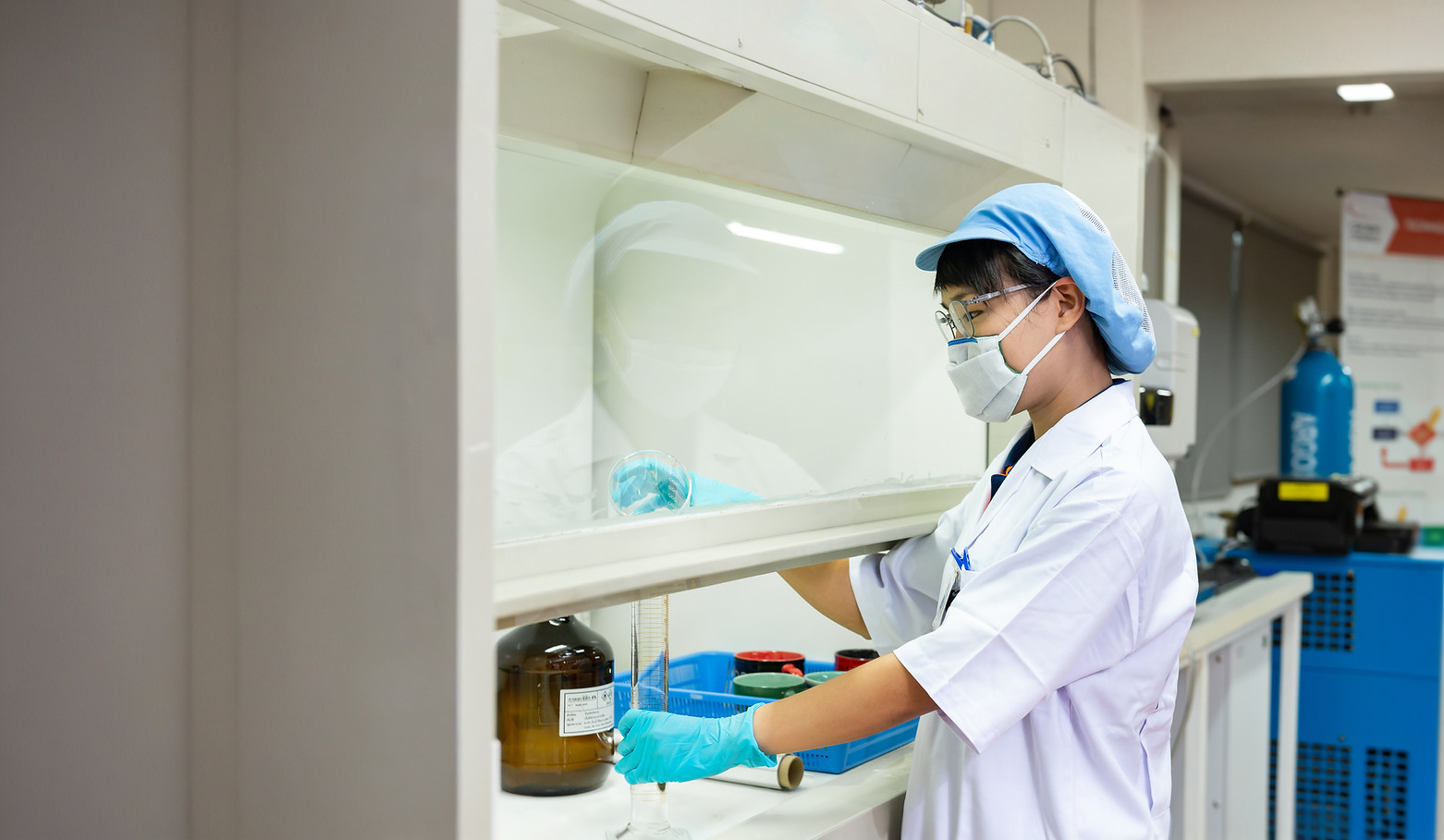
A reliable manufacturing partner must bridge aesthetic vision with chemical compliance. Premier Chinese OEM/ODM factories operate certified in-house testing laboratories equipped to execute four mandatory diagnostic protocols before export container loading:
For enterprise purchasing directors, retail buyers, and supply chain heads, selecting a Chinese manufacturing partner requires evaluating total value rather than initial FOB piece price. Consider these key operational strategies:
An ultra-cheap low-fired ceramic plate with high porosity may suffer an annual replacement rate of 30% in hotel dining due to chipping and crazing. Investing in vitreous china with rolled-edge reinforcement reduces annual breakage rates under 5%, resulting in a significantly lower 3-year TCO.
Modern brand reputation requires verified labor standards. Tier-1 China tableware factories maintain active SMETA 4-Pillar (Sedex Member Ethical Trade Audit) and BSCI certifications, guaranteeing fair wages, safe kilns, and transparent management systems.
Navigating international freight disruptions requires streamlined customs handling. Partnering with factories holding Authorized Economic Operator (AEO) status expedites clearance at export ports, minimizing container demurrage and supply chain bottlenecks.
Direct insights from senior ceramic engineers and export compliance specialists addressing key operational questions.
Connect directly with our engineering team to request custom 3D sample modeling, technical glaze trials, comprehensive lab test reports, or a fully costed volume production quotation.
