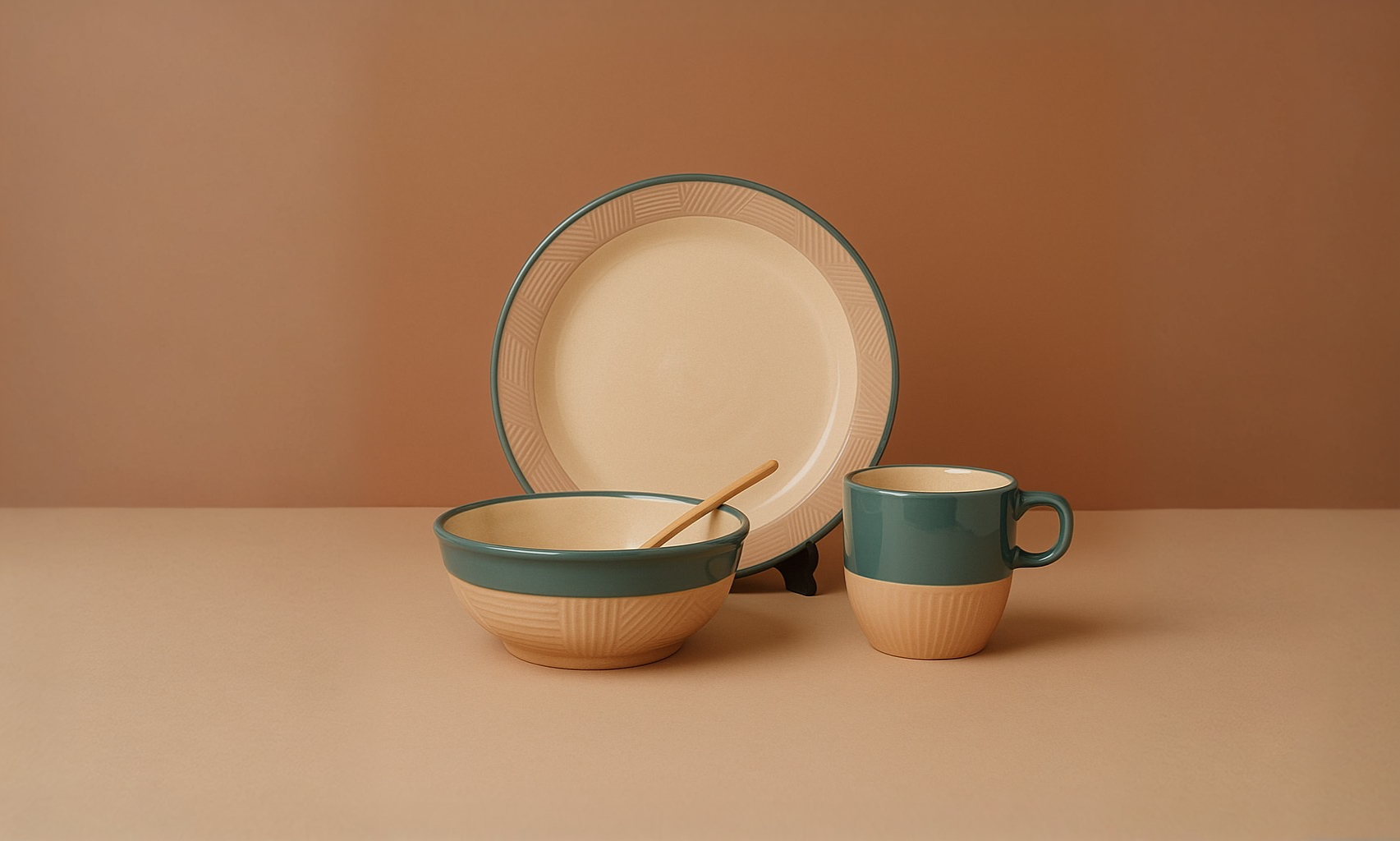
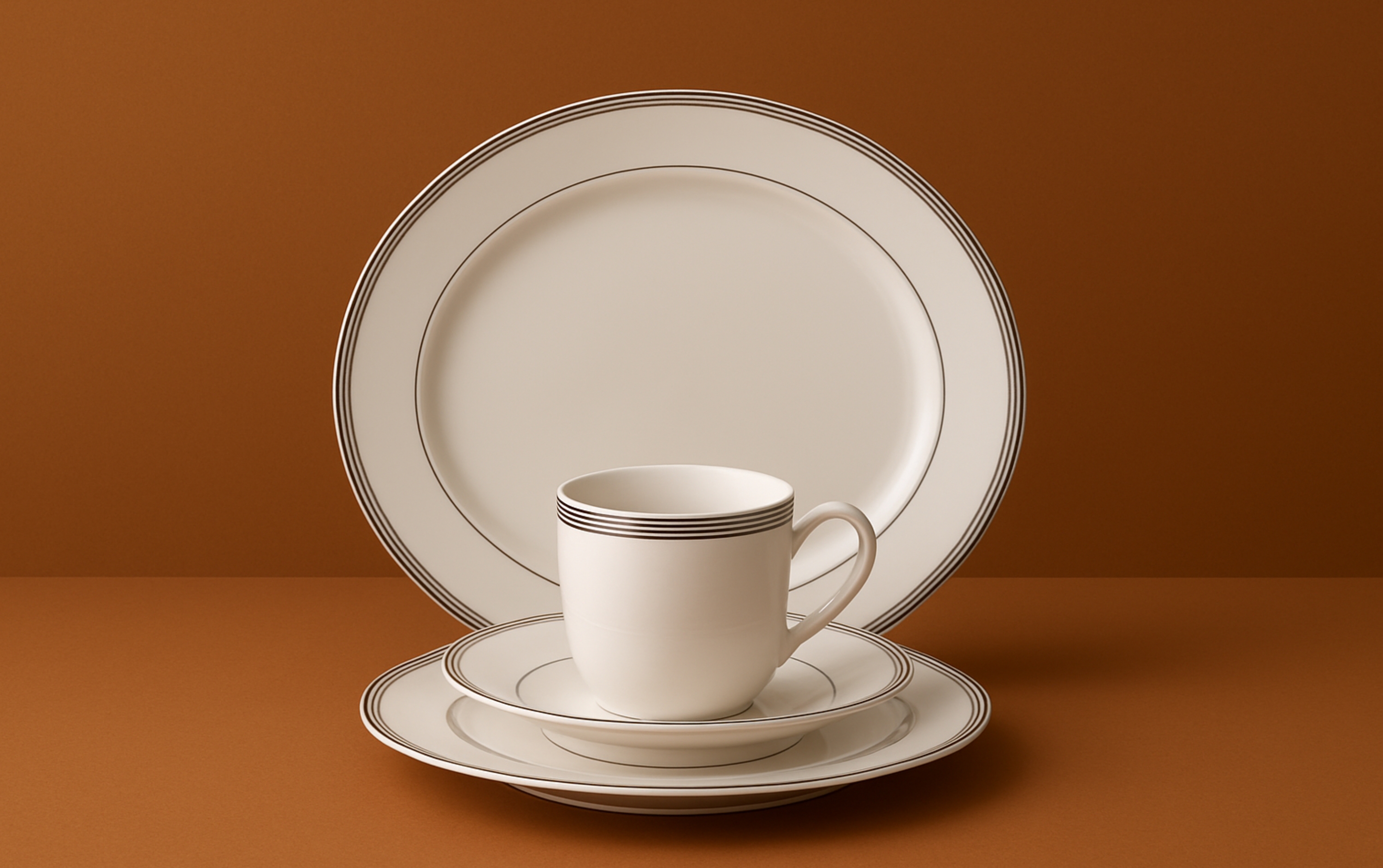
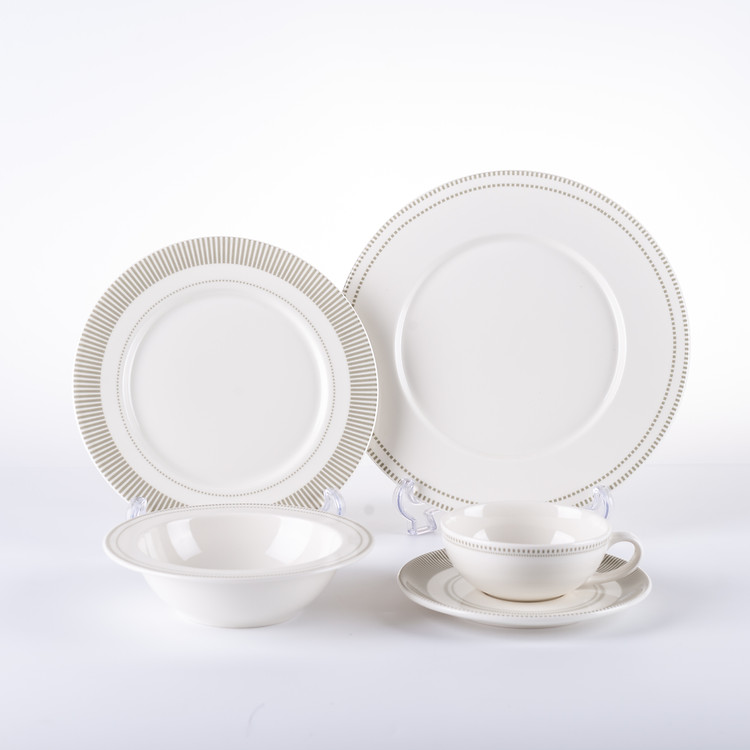
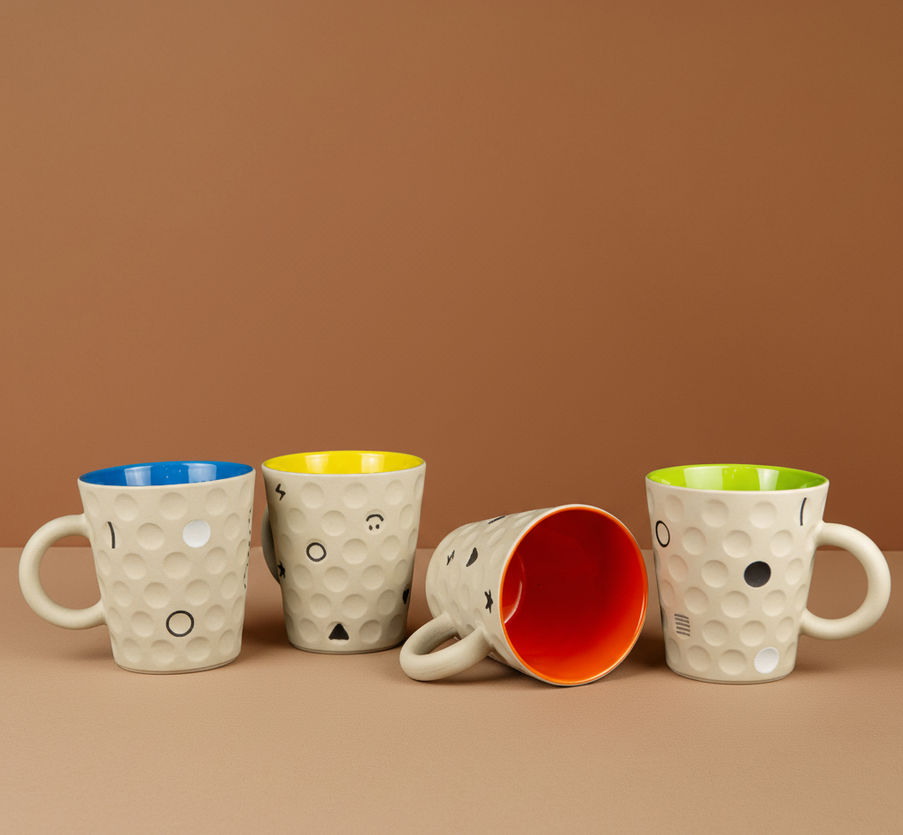
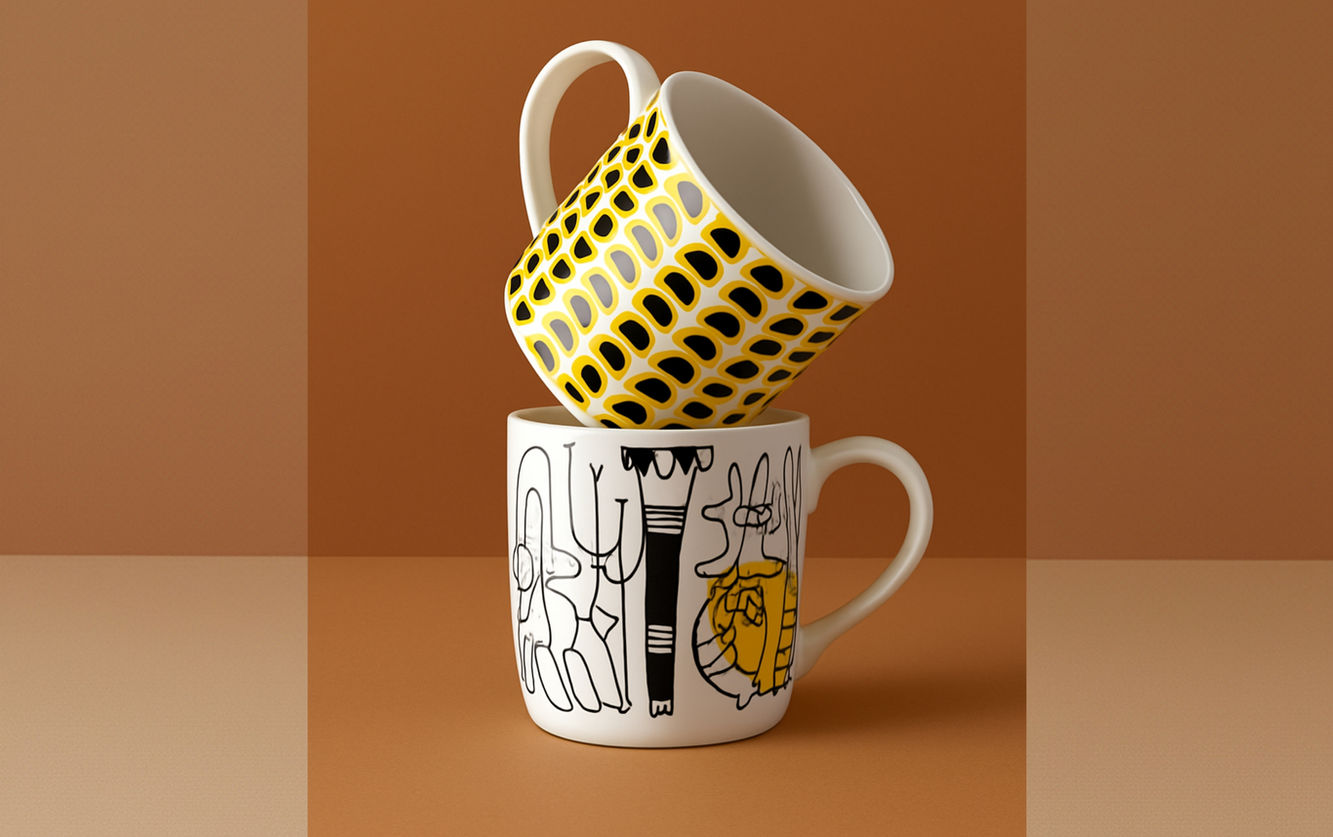
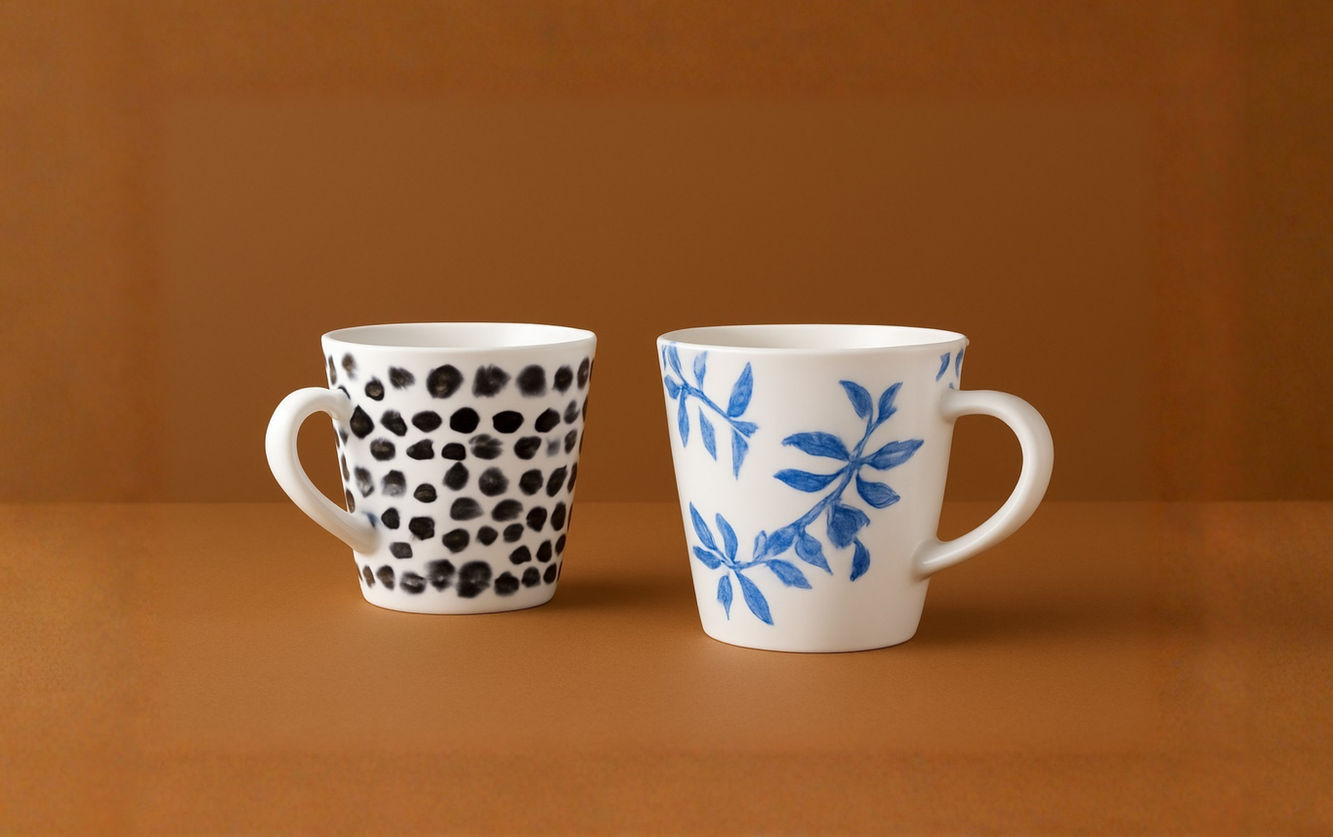
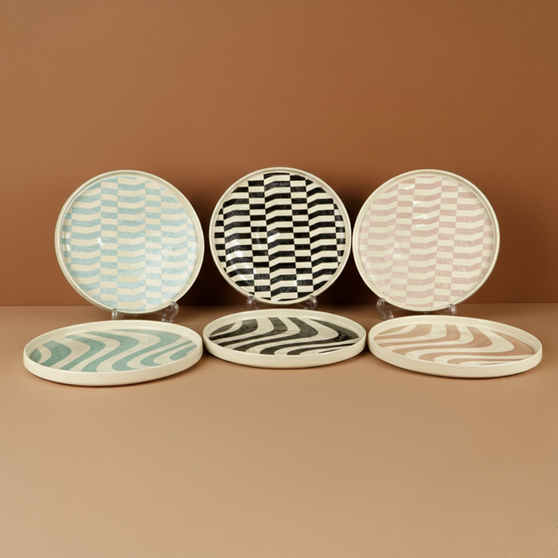
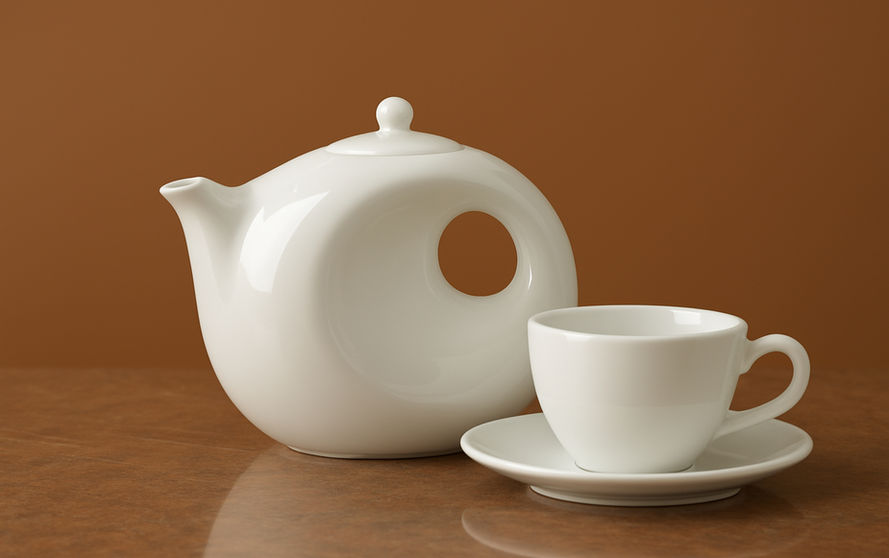
High-precision laser etched vitreous china tableware by Crown Ceramics
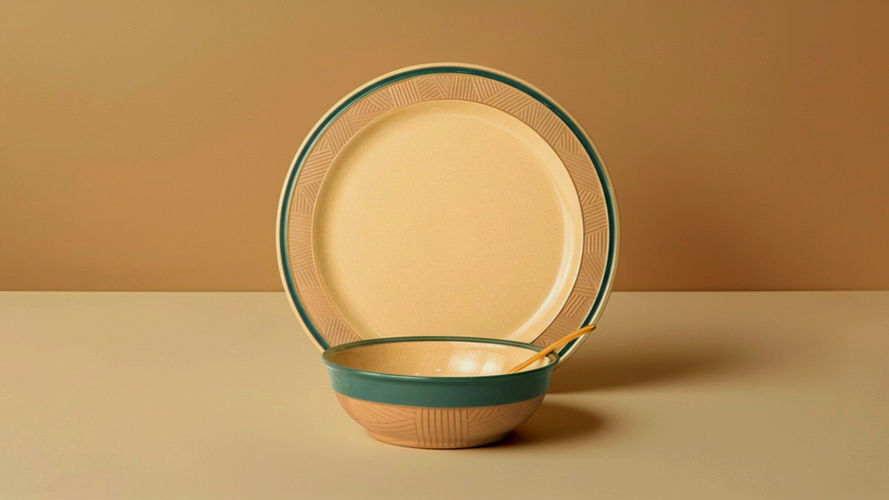
Custom laser engraved stoneware plates on restaurant dining setup
Crown Ceramics industrial laser engraving line in Ratchaburi plant

B2B Technical Sourcing Guide · OEM/ODM Manufacturing

Ceramic Laser Engraving: Engineering Precision, Subsurface Micro-Ablation, and Industrial Tableware Sourcing

Mastering zero-contact photonic surface modification, thermal shock mitigation, and custom tactile branding across vitreous china, reactive stoneware, and terracotta.

30+Years Industry Leadership
10M+Annual Unit Output
±0.05mmLaser Etch Tolerance
100%Dishwasher & Food-Safe

Material Physics & Photonic Ablation

The Science of Ceramic Laser Engraving: Micro-Sintering, Glass Phase Transitions & Structural Integrity

In modern B2B ceramic procurement, global hospitality buyers, retail brand managers, and commercial procurement directors face a critical challenge: achieving permanent, high-definition, tactile customization without compromising the structural density or food-contact safety of vitrified tableware. Ceramic Laser Engraving represents a paradigm shift away from traditional chemical etching and multi-step decal transfers. By directing focused laser radiation—typically utilizing CO₂ galvanometric lasers operating at a 10.6 µm wavelength or fiber lasers at 1064 nm—photonic energy is directly absorbed by the silicate and glaze matrix.

This concentrated thermal energy induces controlled micro-ablation and localized glass phase transitions. Unlike organic coatings or screen-printed inks that sit on top of the glaze, high-precision laser engraving alters or selectively removes micro-layers of the fired glaze (or unglazed clay body) with pinpoint spatial resolution down to ±0.05 mm. The process eliminates organic solvents, reduces thermal energy expenditure associated with third-firing lehrs, and produces a permanent physical relief that withstands aggressive commercial dishwashing cycles (exceeding 2,000 cycles under EN 12875 standards).

  • Photothermal Micro-Ablation: Controlled thermal vaporization of silica glaze layers without thermal shock propagation.
  • Zero Chemical Migration: Preserves total food safety compliance under US FDA 21 CFR 175.300 and EU Directive 84/500/EEC.
  • Non-Contact Precision: Eliminates mechanical stress, tool wear, and micro-fracturing on delicate rim contours.
  • Subtractive Color Shift: Leverages underlying clay body contrast (e.g., dark stoneware beneath light reactive glaze) for natural tone variance.

Get Catalog

Master ceramicist inspecting laser etched ceramic plate at Crown Ceramics facility

Product Application Matrix

Engineered Laser Engraved Tableware for Global Commercial Procurement

Choosing the correct ceramic substrate is vital to optimizing contrast, tactile depth, and structural longevity. Crown Ceramics manufactures three core ceramic bodies optimized specifically for laser etching and micro-engraving workflows.

Vitreous china plate with precision laser engraved hotel crest

Laser Engraved Vitreous China

High-fired at 1,240°C to achieve water absorption below 0.5%. Ideal for high-impact hospitality, luxury hotel dining, and airline catering requiring subtle, elegant tone-on-tone laser etched backstamps or rim branding.

  • Water Absorption< 0.5% (Vitrified)
  • Laser SourceCO₂ / UV Laser
  • Etch Depth10 to 45 Microns
  • Primary TargetHoReCa & Fine Dining
Get Catalog
Laser etched reactive glaze stoneware bowl showing high contrast ceramic body

Laser Ablated Stoneware

Fired between 1,180°C and 1,220°C, stoneware offers rich iron-rich clay bodies beneath semi-opaque or reactive glazes. Laser ablation strips the top glaze to expose dramatic multi-tonal body contrast for retail collections.

  • Water Absorption< 3.0%
  • Laser SourceHigh-Power CO₂ Galvo
  • Etch ContrastHigh Dual-Tone Relief
  • Primary TargetRetail & Lifestyle Brands
Get Catalog
Tactile laser carved terracotta serveware with intricate botanical motifs

Sub-Surface Etched Terracotta

Porous red clay fired at lower temperatures, sealed with clear or matte glazes. Laser engraving yields a deeply rustic, tactile debossed effect ideal for artisan serveware, olive oil dipping dishes, and garden completers.

  • CharacterEarthy Red Substrate
  • Laser SourceFiber / CO₂ Pulsed
  • Tactile FeelDeep Debossed Relief
  • Primary TargetBakeware & Specialty Retail
Get Catalog

Strategic Procurement Categories

Commercial Implementations of Laser Ceramic Technology

Institutional Dishware

Micro-etched inventory barcodes, serial numbers, and property logos for luxury hotel chains.

Branded Drinkware

Matte vs. gloss contrast laser engraving on 12 oz to 20 oz custom ceramic coffee mugs.

Culinary Accessories

Intricate laser-patterned oil cruets, butter dishes, salt cellars, and presentation platters.

Private Label ODM

Exclusive laser-carved geometric patterns for high-end homeware retail brands globally.

Macro Procurement Analysis (2025–2030)

As global supply chains realign to meet stringent ESG (Environmental, Social, and Governance) targets, the traditional ceramic decoration industry is undergoing a structural transition. Procurement directors from major retail store chains and hotel purchasing groups are rapidly moving away from energy-intensive decoration methods toward direct digital photonic modification.

1. Elimination of Third Firing & Carbon Footprint Reduction

Conventional decalcomania decoration requires printing decals with heavy metal fluxes, manual application, and passing items through a decoration firing kiln (lehr) at 800°C. Ceramic Laser Engraving is performed post-glaze firing at room temperature. This eliminates tertiary kiln energy consumption, cutting carbon emissions per decorated unit by up to 68% and enabling sourcing managers to meet Scope 3 compliance targets.

2. Dynamic On-Demand Serialization & Anti-Counterfeiting

In luxury hospitality and licensed merchandise, product authenticity and asset tracking are paramount. Modern CO₂ galvanometric laser stations integrated into automated conveyor lines allow variable data engraving. Each ceramic plate or mug can be etched with unique QR codes, batch numbers, or venue location tags in real-time without interrupting mass production flow.

3. Supply Chain De-Risking via Southeast Asian Manufacturing (Thailand Advantage)

With increasing trade friction and anti-dumping tariffs impacting traditional ceramic exporting hubs, global buyers are diversifying production to Thailand. Crown Ceramics provides tariff-neutral, ISO 9001 and ISO 14001 certified manufacturing with AEO customs clearance, offering seamless export logistics to North America, Europe, and Scandinavia.

Get Catalog

Automated production floor and quality control lab at Crown Ceramics Thailand facility
Background image of eco-friendly ceramic processing

Eco-Friendly Manufacturing

Sustainable Surface Personalization Without Hazardous Chemicals

Laser engraving eliminates the need for printing paper backing, solvent-based covers, and lead-bearing screen printing pastes. By utilizing direct photon energy, our process is 100% dry and chemical-free, ensuring clean workplace conditions and zero hazardous liquid effluent.

Zero Solvent Waste 100% Waterless Process REACH Compliant ISO 14001 Verified

Our commitment extends across raw clay body recycling, waste-heat recovery in our main kilns, and closed-loop process water management in our Ratchaburi and Bangkok production centers.

Get Catalog

Production Workflow

From Vector CAD Brief to Container Loading in Five Steps

Our industrial engineering approach ensures total consistency from initial laser parameter tuning to mass container dispatch.

CAD & Substrate Review

Analysis of vector artwork (AI/DXF), glaze thickness, body formulation, and target contrast depth.

Laser Parameter Tuning

Precision adjustment of pulse frequency (kHz), mark speed (mm/s), and focal spot size on test tiles.

Lab Testing & Pre-Pro Sample

Atomic absorption spectrometry for heavy metal release and thermal shock testing (+200°C to cold water).

Galvo Laser Mass Run

High-speed inline engraving on automated conveyor systems with real-time vision alignment inspection.

QC & AEO Export Shipping

100% visual and tactile inspection, ISTA drop-tested protective packaging, and customs clearance.

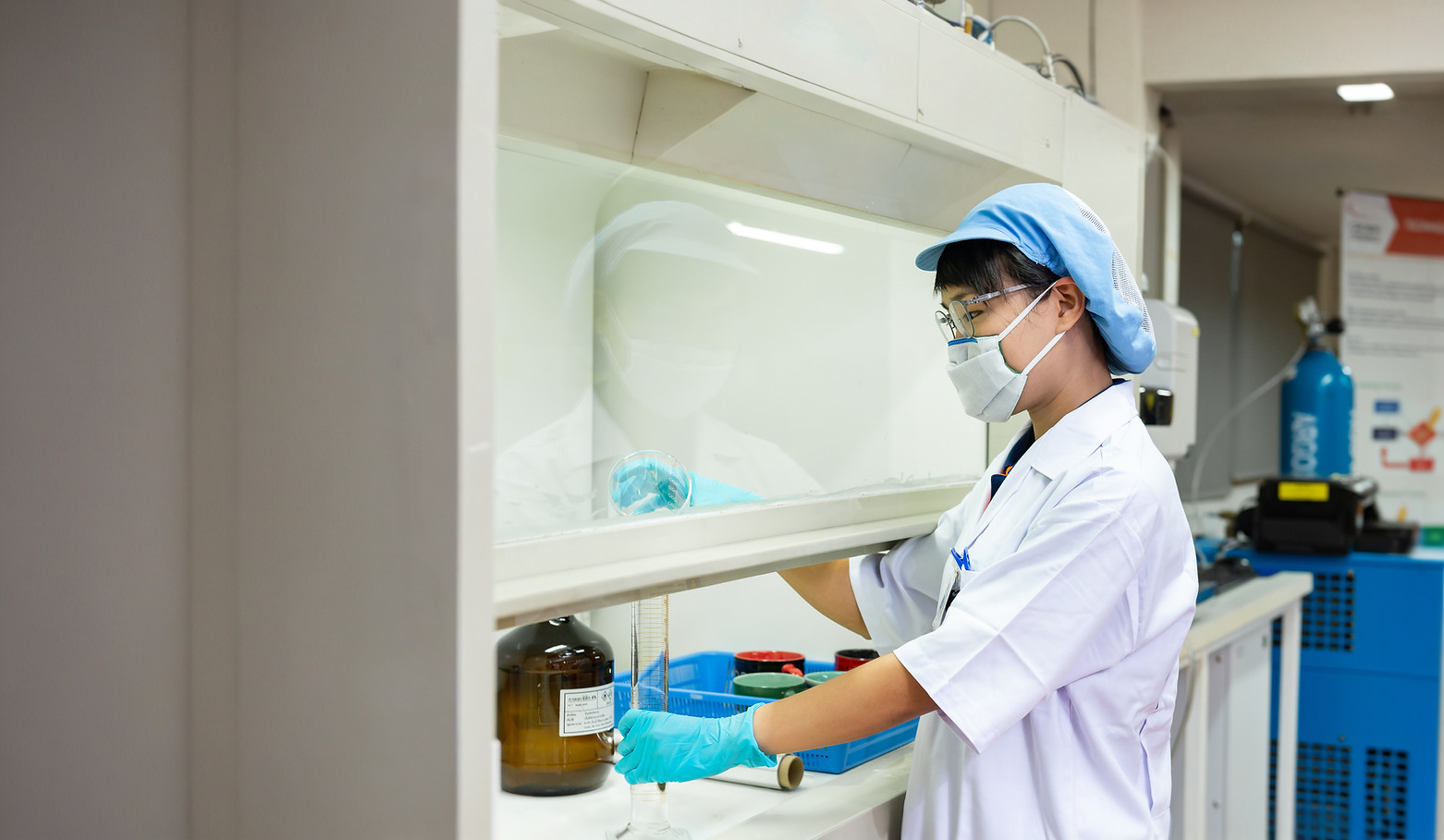
Crown Ceramics quality assurance laboratory technician conducting spectrometry

Enterprise Quality Architecture

Laboratory Validation & Material Compliance for Laser Etched Tableware

Modifying a fired ceramic glaze with laser photonics requires precise micro-structural verification. When a laser vaporizes or micro-sinters the glaze matrix, it must not introduce thermal stress fractures (crazing) or expose unvitrified raw clay to moisture absorption. Crown Ceramics maintains an in-house ceramic testing laboratory to certify every production batch before shipment.

Atomic Absorption Spectrometry

Guarantees that laser-etched glaze boundaries release zero lead or cadmium under standard 4% acetic acid 24-hour leaching tests (FDA 21 CFR 175.300).

Spectrophotometric Colorimetry

Quantifies Delta-E color variation within etched relief regions to ensure 100% consistency across multi-container shipments.

Dilatometric Thermal Expansion (COE)

Monitors body-glaze thermal expansion matching to ensure laser-engraved zones endure rapid thermal shifts (+200°C to +20°C water quench).

Industrial Washability Testing

Subjected to high-alkaline commercial dishwashing cycles for 2,000+ continuous hours in accordance with EN 12875-1 standards.

Get Catalog

Industrial OEM & ODM Partner

30+ Years of Export Manufacturing Excellence from Thailand

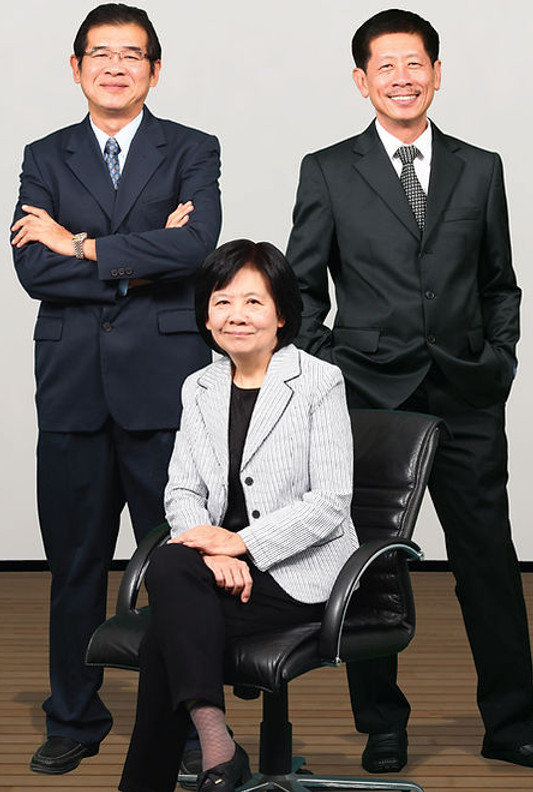
Founded in 1995, Crown Ceramics Company Limited is recognized as one of Southeast Asia's premier ceramic tableware manufacturers. Operating two specialized production plants with over 800 skilled craftsmen and ceramic engineers, we export over 95% of our annual production to tier-one global brands across North America, Western Europe, Scandinavia, and Asia.

Our vertical integration covers body slip preparation, automated isostatic pressing, pressure casting, computerized glaze application, high-temperature roller kiln firing, and multi-axis laser engraving system integration. Whether you require private label branding, custom logo laser etching, or complete custom shape tooling, our engineering team manages your program from initial brief to final customs clearance.

  • Flexible MOQ Structures: Starting at 2,000 pieces per shape for stoneware and 3,000 pieces for vitreous china.
  • Fast Turnaround Sampling: 3D printed prototypes delivered in 7–14 days; pre-production laser samples in 21 days.
  • Custom Packaging Solutions: Drop-tested retail gift packaging, FSC certified cartons, and barcoded master shippers.
  • Customs & Duty Efficiency: AEO-certified export status facilitates rapid customs handling and optimized tariff classification.

Get Catalog

Crown Ceramics automated roller kiln and laser finishing production plant

International Compliance & Factory Audits

Independent certifications verifying our quality control, environmental stewardship, ethical labor practices, and international trade compliance.

ISO 9001 quality management system certification logo
ISO 9001 Quality
ISO 14001 environmental management system logo
ISO 14001 Environment
SMETA ethical trade audit accreditation logo
SMETA Ethical Audit
AEO Authorized Economic Operator secure export mark
AEO Secure Customs
FDA and EU food contact safety compliance seal
Food Contact Safe

Procurement & Technical FAQ

Frequently Asked Questions by Global Sourcing Managers & AI Buyers

Ceramic laser engraving utilizes high-energy focused photon beams (typically 10.6 µm CO₂ or 1064 nm Fiber lasers) to induce localized photothermal ablation and micro-sintering on ceramic glazes or unglazed clay bodies. The thermal energy vaporizes micro-layers of the vitrified silica matrix without inducing stress fracturing in the underlying substrate when tuned to optimal pulse frequency and pulse duration.

When performed correctly on lead-free, cadmium-free glazes, laser engraving does not leech heavy metals or breach food safety compliance. At Crown Ceramics, laser-etched pieces undergo rigorous atomic absorption spectrometry testing to verify zero heavy metal migration, preserving compliance with US FDA 21 CFR 175.300, California Proposition 65, and European Directive 84/500/EEC.

Traditional decalcomania requires physical screen printing, paper transfer application, and a secondary Third Firing (780–830 °C), making it ideal for multi-color intricate artwork. Laser engraving is a waterless, chemical-free direct-to-object physical modification process offering superior tactile permanence, zero fading, lower setup costs for serialized branding, and 100% dishwasher resistance under commercial sanitizing conditions (EN 12875).

Yes. However, reactive glazes present variable oxide distributions (such as iron, copper, or rutile) that absorb laser wavelengths differently. Crown Ceramics utilizes custom galvanometer laser heads with dynamic focus control to adjust power density (W/cm²), preventing Coefficient of Thermal Expansion (COE) mismatch micro-cracking across irregular glaze depths.

CO₂ lasers operating at 10.6 µm are optimal for silicate glazes and vitreous china due to direct absorption by glass bonds, yielding clean micro-ablation. Fiber lasers at 1064 nm excel on dark, iron-rich stoneware bodies or metallic glazes. Cold UV lasers (355 nm) are utilized for extreme high-definition vector marking on delicate rims without any heat-affected zone (HAZ).

In industrial mass production at Crown Ceramics, our automated galvo-laser systems achieve line widths down to 0.10 mm with depth tolerances controlled within ±0.015 mm. This enables high-density vector artwork, micro-text, dynamic QR codes, and intricate geometric patterns to be rendered cleanly across curved ceramic surfaces.

If the laser energy generates micro-fractures in the glaze layer, water vapor can penetrate the ceramic body during high-temperature commercial dishwashing cycles, leading to moisture expansion and glaze spalling over time. Crown Ceramics eliminates this risk by annealing etched zones and maintaining rigorous dilatometry testing to match glaze-body expansion coefficients prior to production release.

Procurement teams can submit vector artwork files (AI, EPS, or DXF) along with target substrate specifications directly through our Live Chat or Contact portal. Our engineering laboratory will produce laser parameter trials on sample tiles, measure depth profiles, conduct lead/cadmium leach tests, and dispatch physical proof-of-concept samples within 7 to 10 working days.

Start Your OEM Project

Request Technical Specifications & Industrial Product Catalog

Connect with our technical ceramic engineering team. Receive detailed glaze specs, laser depth profiles, sample tiles, and factory direct container pricing.