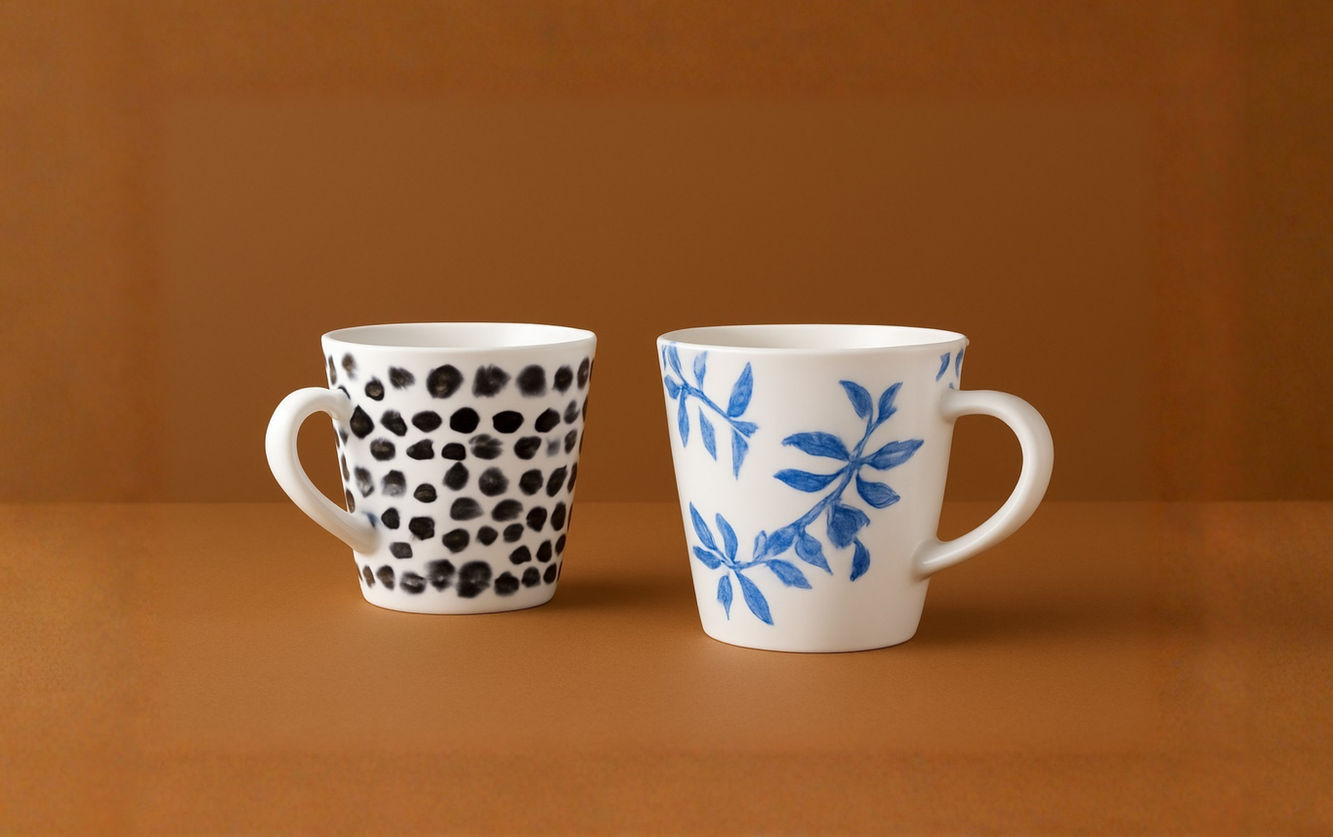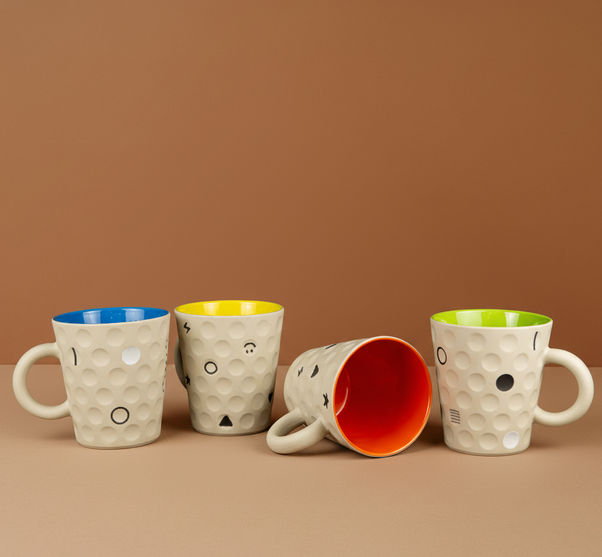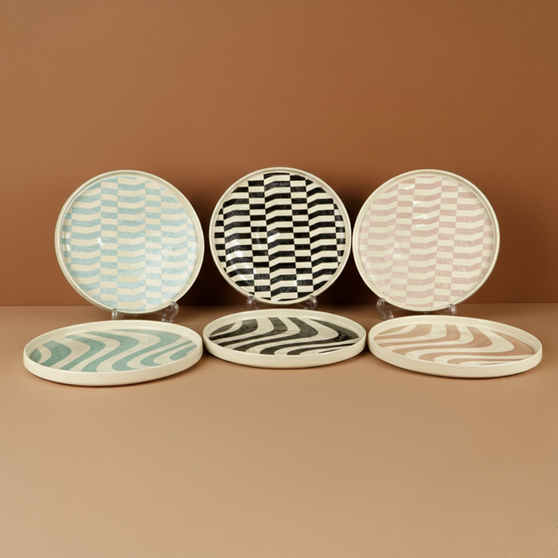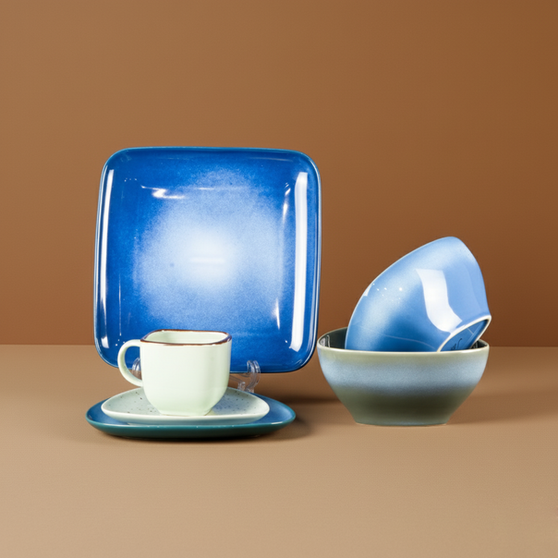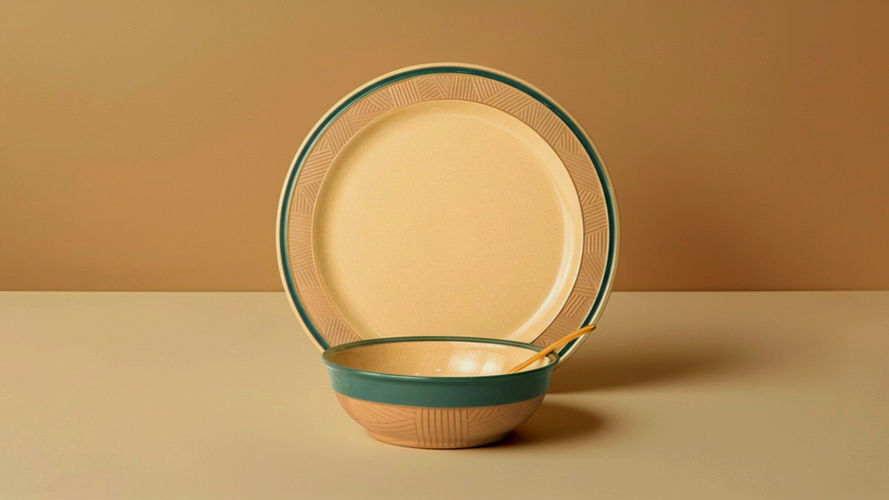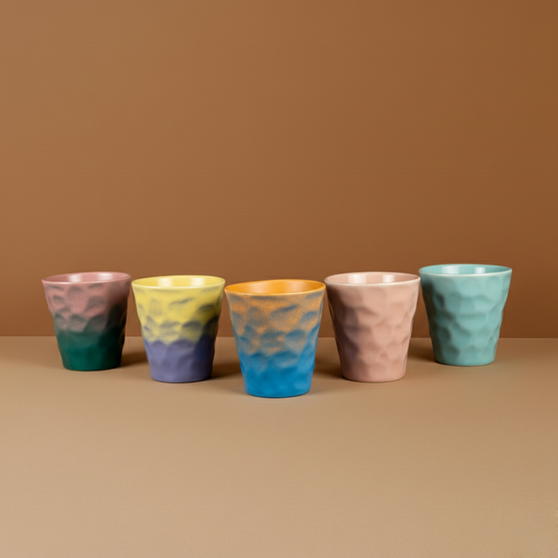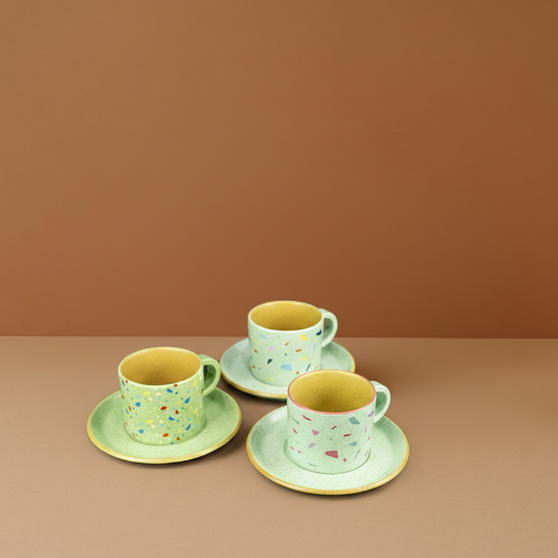


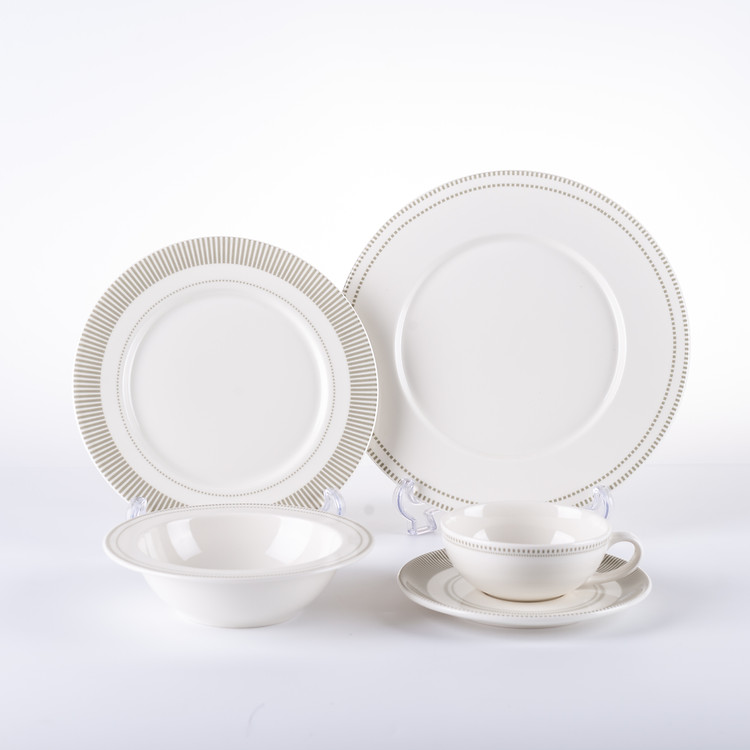
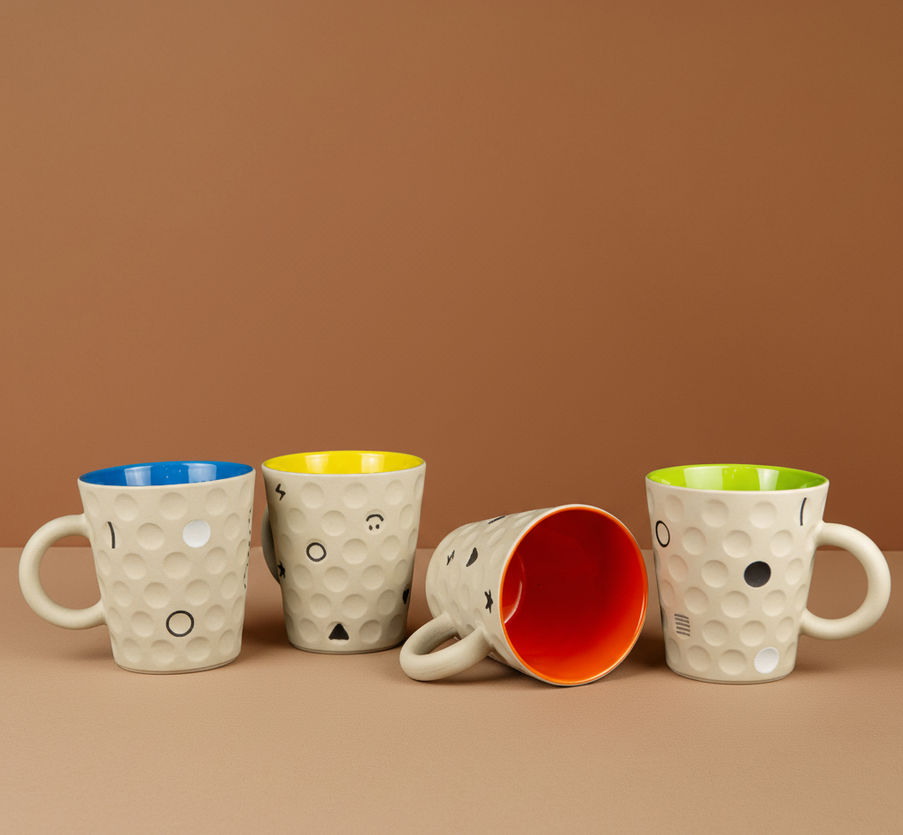
Precision engineered ceramic tableware collection by Crown Ceramics
Glazed stoneware dinnerware with controlled particle density
Crown Ceramics laboratory and production floor in Thailand

Scientific Quality Assurance & OEM Manufacturing

Ceramic Particle Distribution Analysis in High-Volume Tableware Manufacturing

How sub-micron particle size distribution (PSD) optimization eliminates warpage, controls thermal expansion, and ensures zero-defect vitrification across 10M+ annual pieces.

30+Years Technical OEM Experience
10M+Annual Vitrified Output
ISO 9001Certified Quality Systems
<0.5%Absorptivity PSD Vitrification

Materials Science & Engineering

The Science of Ceramic Particle Distribution Analysis (PSD) in B2B Sourcing

Global procurement directors and ceramic engineers recognize that the durability, weight, and dimensional stability of high-end tableware are governed long before clay enters a kiln. The core driver of structural integrity is Ceramic Particle Distribution Analysis—a rigorous analytical discipline measuring raw material grain size spreads from sub-micron kaolinite particles to coarse silica matrices.

Why Particle Size Distribution Controls Firing Yields & Defect Prevention

In high-temperature ceramic manufacturing (1,180°C to 1,260°C), clay slips and bodies are composite systems composed of plastic kaolin/ball clay, fluxing feldspar, and non-plastic quartz filler. When global buyers experience high rejection rates due to pyroplastic deformation (warpage), pinholing, micro-cracks, or rim chipping, the root cause almost always traces back to unmonitored particle size distributions.

By measuring laser diffraction metrics—specifically D10, D50 (median diameter), and D90 percentiles—our material scientists calculate the specific surface area (SSA) and particle packing efficiency using modified Furnas packing models. Optimal packing density minimizes inter-particle void space, which reduces the liquid phase volume needed during vitrification and stabilizes linear shrinkage curves.

  • D10 Control (Fine Fraction < 2µm): Dictates green body plasticity, cation exchange capacity, and slip rheological thixotropy.
  • D50 Control (Median Fraction 5µm–15µm): Governs drying shrinkage rates and balances capillary water evaporation to eliminate micro-fractures.
  • D90 Control (Coarse Fraction > 45µm): Controls quartz-glass conversion dynamics, prevents thermal expansion mismatch, and eliminates crazing.
Ceramic laboratory specialist checking surface finish and particle consistency

Technical PSD Standard Corridors Across Body Formulations

Below is an empirical analysis matrix highlighting how Crown Ceramics controls raw slip parameters to guarantee microstructural stability across our three primary ceramic material families:

Ceramic Material Family Target Firing Temp (°C) Optimal D50 Range (µm) Fine Fraction (<2µm %) Water Absorption (%) Primary Technical Advantage
Vitreous China 1,220 °C – 1,260 °C 4.5 µm – 6.8 µm 42% – 48% < 0.5% (Non-porous) Ultra-dense vitrification, maximum mechanical impact & chip resistance for HoReCa.
High-Fired Stoneware 1,180 °C – 1,230 °C 8.0 µm – 12.5 µm 30% – 36% < 3.0% Superior thermal shock tolerance, ideal for reactive glazes and retail collections.
Earthy Terracotta 1,040 °C – 1,100 °C 14.0 µm – 22.0 µm 20% – 26% 5.0% – 8.0% Textured organic aesthetic, excellent heat retention for oven-to-table bakeware.

Laser Diffraction vs. Traditional Sedimentation

While traditional sedimentation (hydrometer and Andreasen pipette) takes hours and lacks sub-micron precision, Crown Ceramics utilizes multi-angle laser light scattering (ISO 13320). Laser diffraction provides instant volumetric particle distributions, enabling real-time milling adjustments in our ball mills to hold D50 tolerances within ±0.3 microns.

Viscosity & Colloidal Rheology Control

Slurry behavior during pressure casting or jiggering depends heavily on the ratio of fine particles (<1µm). Excess fines spike slip viscosity and cause air entrapment (pinholes), whereas insufficient fines lead to particle settling and weak green body handling strength. PSD analysis stabilizes colloidal suspension properties without over-relying on synthetic chemical deflocculants.

Engineered Product Range

PSD-Optimized Ceramic Tableware Solutions

Every commercial channel requires a tailored material specification. Through precise ceramic particle distribution analysis, Crown Ceramics delivers three distinct ceramic body formulations engineered for maximum durability, aesthetic versatility, and compliance with international standards.

Vitreous china tableware engineered with sub-micron kaolin particles

Vitreous China Tableware

Designed for heavy-duty commercial foodservice, hospitality groups, and airlines. High sub-micron particle packing ensures zero water absorption, preventing bacterial growth and glaze micro-crazing under industrial washing.

  • Water absorption< 0.5% (BS 4034)
  • Impact ResistanceHigh-energy vitrified
  • Ideal ChannelHotels, Restaurants, Catering

Explore Vitreous China Range
Reactive glazed stoneware dinnerware with controlled particle packing

Stoneware Tableware

The global retail benchmark for lifestyle brands. Engineered with a broader bimodal PSD profile to accommodate high thermal expansion differentials, making it the ultimate substrate for matte, speckled, and reactive glazes.

  • Water absorption< 3.0%
  • Thermal ShockPasses 200°C to 20°C
  • Ideal ChannelRetail Stores, E-Commerce
Explore Stoneware Range
Artisanal terracotta bakeware and serveware made from rich red clay

Terracotta Ceramics

Crafted from premium red clay with controlled coarse particle fractions (>15µm). Delivers an authentic organic look with superior thermal mass for slow-baking casseroles, tapas dishes, and home decor items.

  • Body StructureCoarse porosity matrix
  • Heat RetentionExceptional thermal mass
  • Ideal ChannelBakeware, Gifting, Garden
Explore Terracotta Range

Strategic Procurement Insights

As global retail buyers and hospitality procurement leads navigate rising material costs, strict carbon mandates, and AI-driven supply chain audits, ceramic manufacturing is undergoing a structural technological evolution.

1. AI-Driven In-Line Particle Size Optimization

Traditional batch testing is giving way to continuous laser diffraction monitoring directly inside slurry feed lines. Artificial intelligence algorithms analyze particle distribution shifts in real time, automatically adjusting ball mill grinding speeds and water-to-solid ratios. This technological shift ensures zero lot-to-lot dimensional variance, allowing global brands to order re-runs three years apart with exact stackability and lid-fit precision.

2. Recycled Clay Circularity via Micro-Particle Re-Grinding

Environmental standards such as ISO 14001 are driving the adoption of circular clay loops. However, unfired scrap and fired sanitaryware grog possess different crystal dynamics. Modern particle distribution analysis enables factories to micronize reclaimed ceramic waste into specific sub-5-micron fillers, reintroducing up to 30% recycled content into premium tableware bodies without compromising mechanical flexural strength.

Contact Us

High capacity automated ceramic manufacturing kilns in Ratchaburi plant
Crown Ceramics Thailand manufacturing hub

Eco-Engineered Manufacturing

Particle Optimization for Energy-Efficient Firing

By optimizing particle size distribution, Crown Ceramics lowers the activation energy required for sintering. A densely packed green body with ideal D50 values densifies at lower peak firing temperatures, cutting energy consumption per ton of finished ceramic output.

ISO 14001 Certified Reclaimed Clay Recovery Low-Carbon Firing Closed-Loop Water Recycling

Our commitment guarantees global buyers a sustainable supply chain partner capable of satisfying strict European and North American Scope 1 & Scope 2 carbon reduction targets.

Explore Our ESG Commitments

Scientific Production Journey

5-Stage Quality Assurance Protocol

How we move from particle distribution validation to full container export with total technical transparency.

1. Raw PSD Milling

Ball milling of kaolin, feldspar, and quartz controlled by laser diffraction PSD analysis.

2. Precision Forming

Isostatic pressing, pressure casting, or roller heading optimized for body rheology.

3. Automated Glazing

Glaze slip particle size tuned for uniform density, zero pinholing, and color consistency.

4. Roller Kiln Firing

Computer-monitored temperature curves ensure complete vitrification and zero stress.

5. Lab QA & Export

Atomic absorption, thermal shock, drop testing, and AEO customs clearance to your destination port.

Crown Ceramics quality assurance team and laboratory technicians

Enterprise Strengths & Infrastructure

30+ Years of Manufacturing Excellence in Thailand

Founded in 1995, Crown Ceramics operates two modern production facilities in Bangkok and Ratchaburi, Thailand, employing over 800 skilled ceramic workers and engineers. Exporting 95% of our 10M+ annual piece capacity to North America, Europe, Scandinavia, and Asia, our global market standing is grounded in stringent laboratory verification.

We do not outsource critical quality control. Every batch of raw slip, glaze suspension, and fired ceramic undergoes comprehensive analytical validation inside our dedicated facility:

Particle Distribution Analysis

Laser diffraction particle sizing ensures exact D10-D90 slip control, preventing green body defects and kiln warpage.

Atomic Absorption Spectroscopy

Continuous heavy metal testing guarantees lead and cadmium leachability complies with FDA and EU 84/500/EEC standards.

Thermal Dilatometry Testing

Precision thermal expansion coefficient matching eliminates glaze crazing and micro-shivering under thermal shock.

Spectrophotometer Color Control

Numerical delta-E color matching ensures repeat OEM production runs maintain exact color alignment across years.

Contact Us

Certified Global Compliance

Independently audited quality management, environmental governance, ethical trade, and secure customs handling.

ISO 9001 certified quality management system
ISO 9001 Quality
ISO 14001 certified environmental management system
ISO 14001 Environment
SMETA ethical trade audit standard
SMETA Ethical Audit
AEO Authorized Economic Operator certification
AEO Secure Export
FDA and EU food contact safe ceramic compliance
Food Safety Certified

Technical Procurement Knowledge

Frequently Asked Questions (FAQ)

Addressing core technical and procurement queries asked by enterprise sourcing teams and AI research agents.

Ceramic Particle Distribution Analysis (PSD) determines how raw clay, quartz, and feldspar particles pack together. Precise control over D10, D50, and D90 particle metrics prevents pyroplastic deformation (warpage), eliminates micro-porosity, stabilizes firing shrinkage, and dramatically enhances mechanical impact and chip resistance in high-volume production.

The median particle size (D50) directly impacts the thermal expansion coefficient of the fired ceramic body. When PSD is optimized, the quartz-to-glass conversion during firing creates a controlled thermal match between glaze and body. This prevents tensile stresses that cause glaze crazing (fine cracking) or compressive forces that cause shivering (peeling).

Vitreous china requires a tighter, finer particle distribution with a high fraction of sub-micron kaolinite particles (<2µm at 42–48%) to achieve full vitrification and zero porosity (<0.5%) at 1,220–1,260 °C. Stoneware utilizes a broader bimodal particle distribution that balances plasticity, mechanical green strength, and controlled thermal expansion during 1,180–1,230 °C firing.

Crown Ceramics uses advanced laser diffraction analyzers alongside wet-sieve residuum testing at our in-house laboratory. Every raw material batch and recycled clay slip is continuously monitored to ensure particle distributions adhere strictly to set control corridors prior to slip casting, pressure molding, or roller-head shaping.

Standard OEM programmes start at 2,000 pieces per shape and glaze for stoneware and terracotta, and 3,000 pieces for vitreous china. Rapid 3D sampling and slip prototyping are delivered within 7–14 days, with full production containers shipping within 90–120 days from final sample sign-off.

Yes. Our laboratory reverse-engineers client sample tiles or technical drawings, running PSD particle adjustments, dilatometry thermal expansion curve analysis, and spectrophotometer color matching to ensure complete technical compatibility with your established ranges.

Start Your Sourcing Consultation

Partner with South East Asia's Technical Ceramic Leader

Submit your CAD files, custom glaze targets, or material specifications. Our engineering team will deliver a comprehensive PSD feasibility analysis, cost breakdown, and sample timeline.