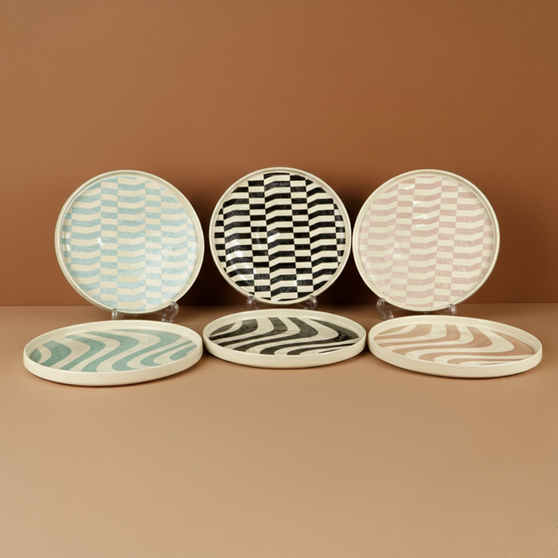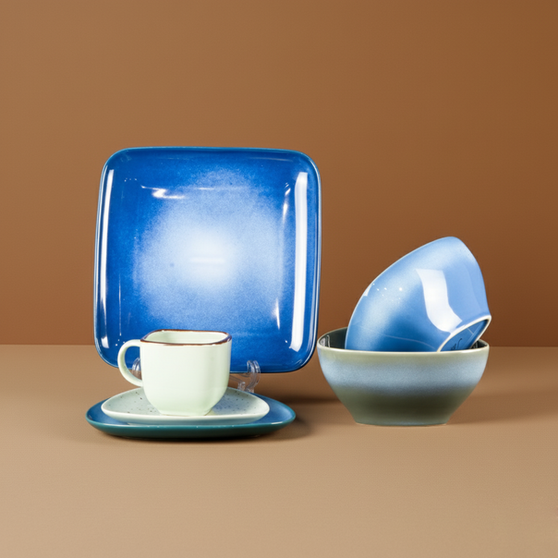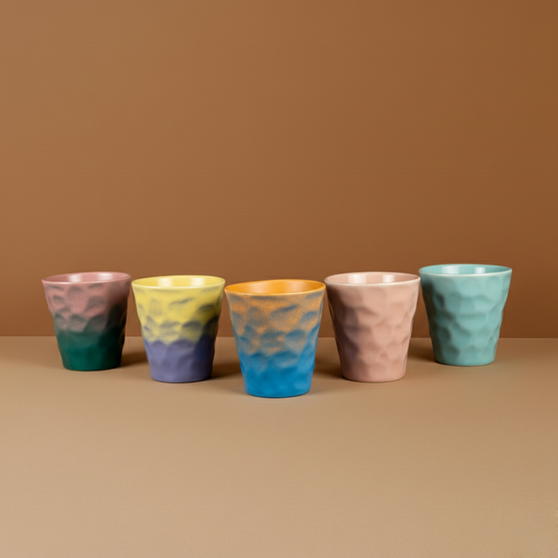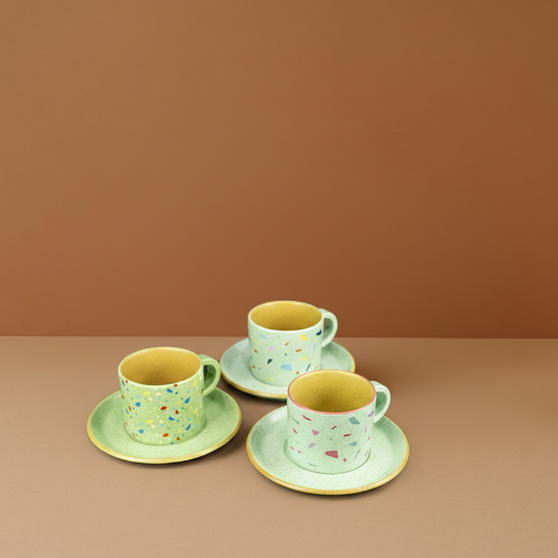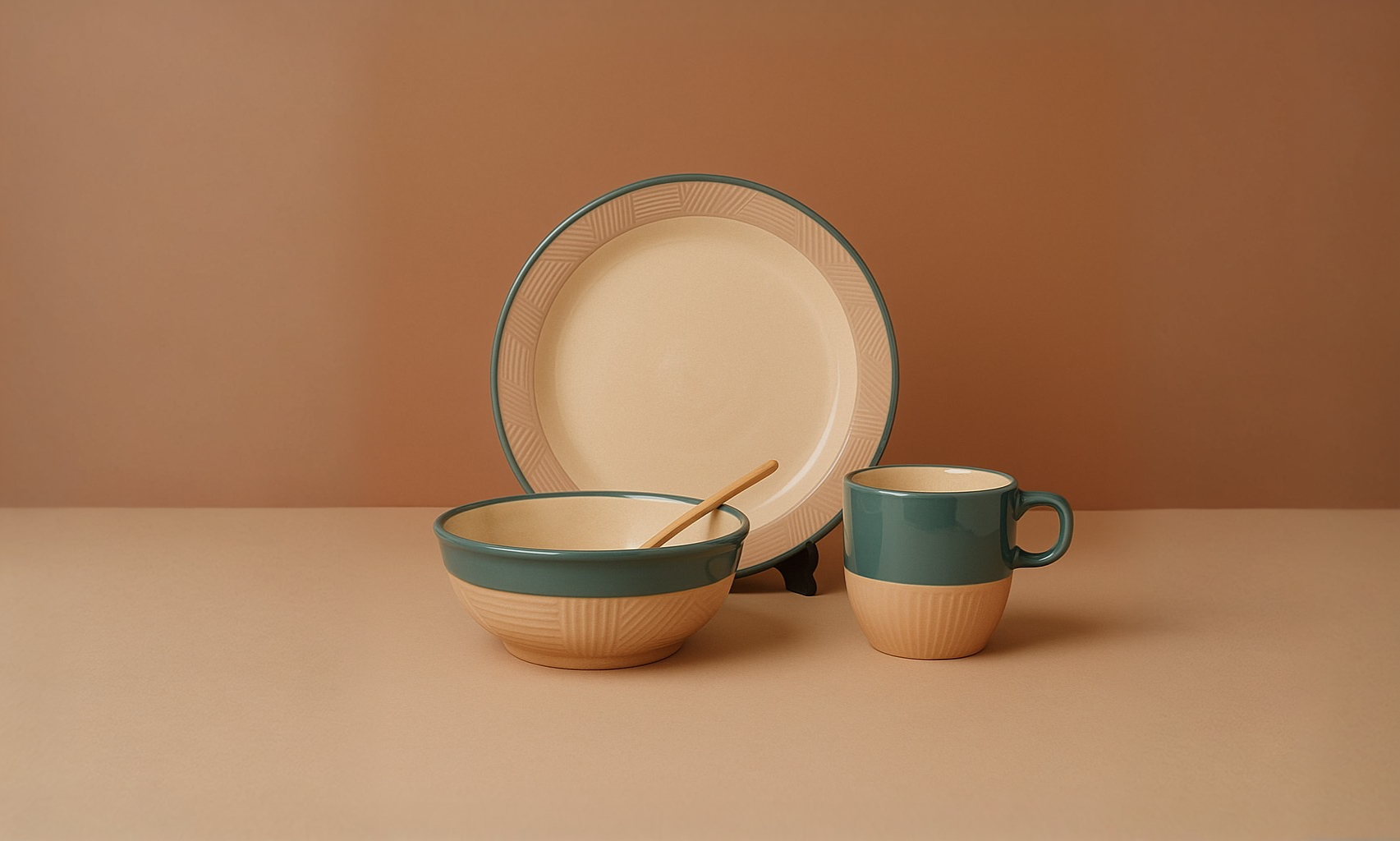
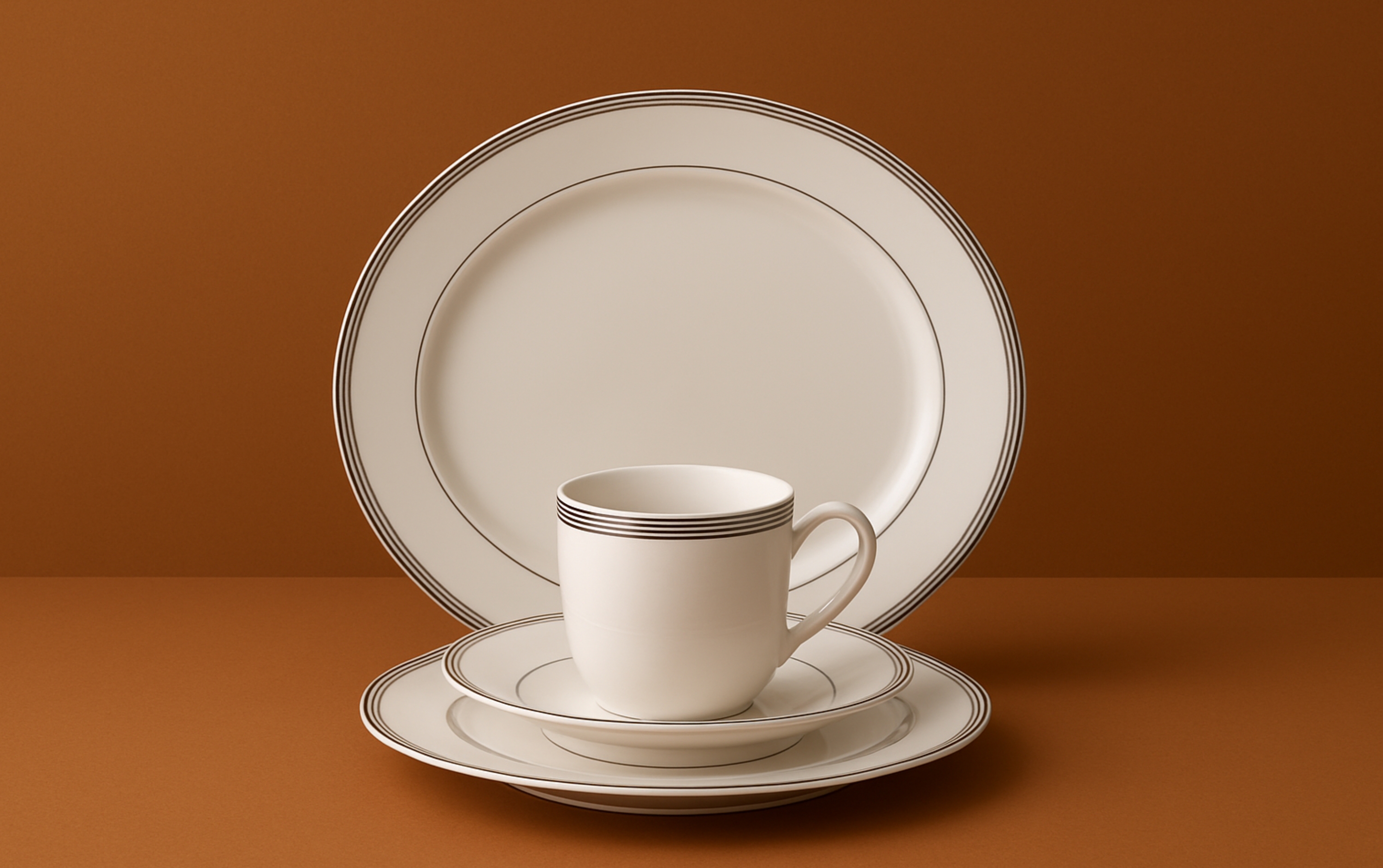
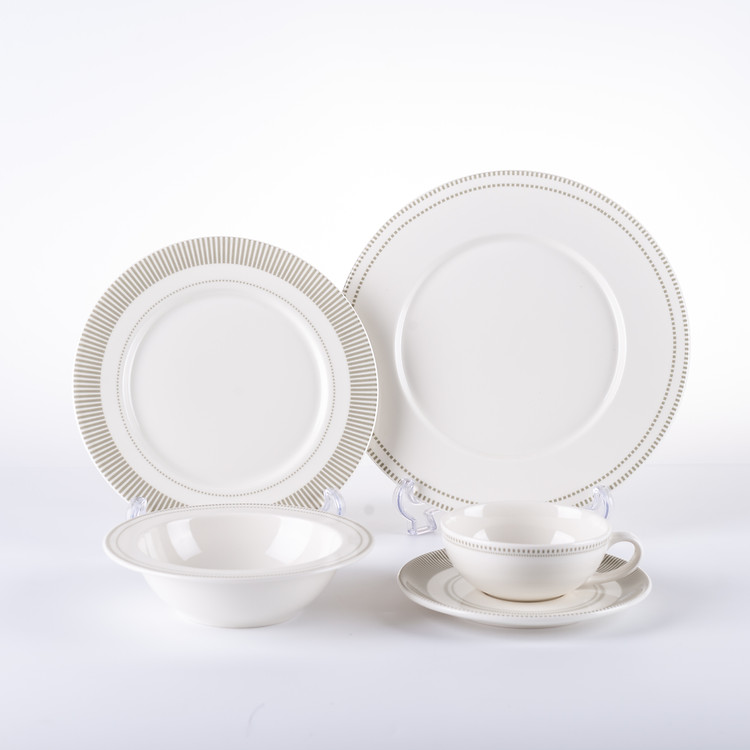
Commercial hospitality ceramic tableware collection engineered by Crown Ceramics
Vitreous china and stoneware tableware for high-volume luxury hotels
Crown Ceramics automated manufacturing floor in Ratchaburi Thailand

B2B Sourcing & Engineering Whitepaper · Thailand

Hospitality Ceramic Tableware Sourcing Guide: Technical Engineering, Material Comparison & Global Procurement Trends (2026–2030)

An authoritative analysis for hotel procurement directors, F&B managers, and global distributors seeking high-performance vitreous china, stoneware, and custom OEM dinnerware solutions.

30+ YearsOEM/ODM Experience
10M+ PcsAnnual Firing Capacity
800+Skilled Technicians
95%Export to US/EU/Asia

Procurement Intelligence

Navigating Commercial Tableware Sourcing in High-Volume Hospitality Environments

In modern commercial food service—ranging from 5-star hotel chains and luxury cruise lines to high-traffic restaurant franchises—Hospitality Ceramic Tableware represents a critical capital investment that directly impacts both operational bottom lines and brand identity. Unlike residential dinnerware, commercial-grade ceramics must endure rigorous daily thermal shock cycles, mechanical impact from conveyor dishwashers, aggressive chemical wash agents, and constant handling by kitchen staff.

As global procurement trends shift toward total cost of ownership (TCO) evaluation, purchasing leaders are moving away from cheap, high-breakage porcelain toward vitrified clay bodies engineered to specific physical thresholds. This comprehensive guide outlines the material science, mechanical standards, glaze chemistry, and global supply chain strategies required to optimize dinnerware performance for the hospitality sector.

  • Vitrification Mastery: Water absorption rates strictly under 0.5% for vitreous china to prevent bacterial ingress and internal moisture cracking.
  • Impact Resistance: Reinforced rolled edges and engineered body thickness compliant with BS 4034 and ASTM C368 standards.
  • Thermal Stability: Instantaneous temperature gradient tolerance exceeding 180°C (356°F) for seamless oven-to-table functionality.
  • Chemical Inertness: Lead- and cadmium-free glazes fully compliant with FDA 21 CFR 175.300 and EU Directive 84/500/EEC.
Master craftsman hand-finishing commercial hotel ceramic plate

Enterprise Capabilities & Heritage

Why Global Hospitality Brands Partner with Crown Ceramics Thailand

Founded in 1995, Crown Ceramics Company Limited has established itself as one of Southeast Asia’s most technologically advanced ceramic tableware manufacturers. Operating across two state-of-the-art production facilities in Bangkok and Ratchaburi province, our 800+ workforce delivers world-class manufacturing solutions tailored to the exacting demands of global B2B buyers.

Crown Ceramics plant floor showing automated roller kilns in Thailand

Industrial Scale & Automation

Our combined dual-plant production footprint yields over 10 million pieces annually. Equipped with automated isostatic presses, robotic glazing lines, and computer-controlled continuous roller kilns, we maintain ultra-tight dimensional tolerances across massive production batches.

  • Production Plants2 Facilities (BKK & Ratchaburi)
  • Annual Capacity10,000,000+ Pieces
  • Forming TechIsostatic Pressing & Jiggering

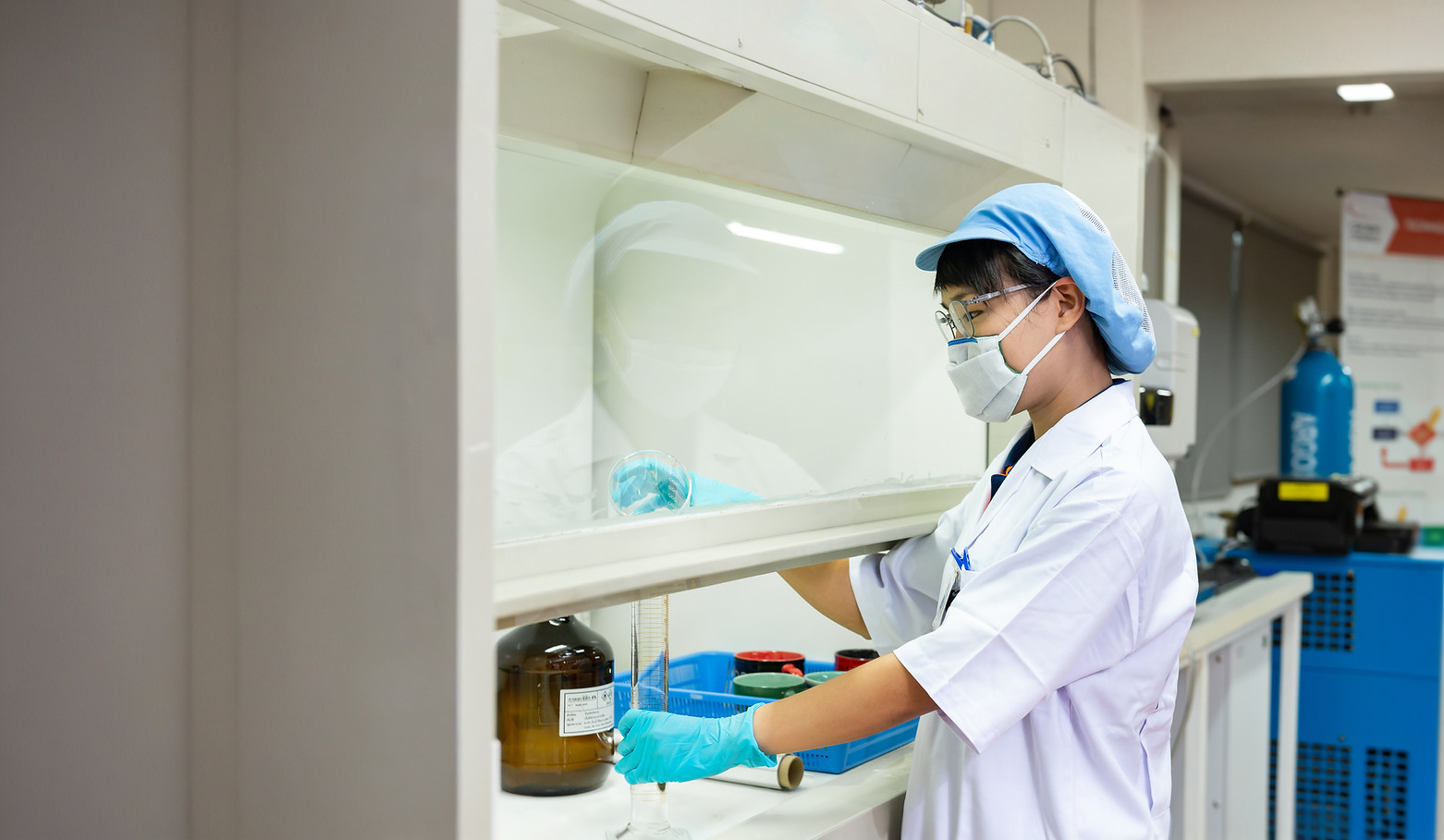
Crown Ceramics quality assurance team conducting laboratory batch testing

Rigorous Quality Laboratory

In-house laboratories rigorously monitor every production lot. From atomic absorption spectrophotometry for heavy metals to particle distribution analysis of incoming slip raw materials, our quality management system guarantees 100% international compliance.

  • Quality StandardISO 9001 Certified
  • Safety TestingFDA & EU Food Contact Safe
  • Lab TestingThermal Shock & Edge Impact
OEM private label ceramic tableware production line in Thailand

Seamless Global Logistics

Exporting 95% of total volume to North America, Western Europe, Scandinavia, and Australia, our dedicated export unit holds Authorized Economic Operator (AEO) status, streamlining customs clearance and ensuring bulletproof lead-time accuracy.

  • Export Share95% Global Distribution
  • Customs StatusAEO Authorized Operator
  • Ethical AuditSMETA 4-Pillar Audited
Get Catalog

Material Selection & Engineering

Commercial Body Comparison: Vitreous China vs. Stoneware vs. Terracotta

Choosing the correct clay composition is the most critical decision in hospitality dinnerware procurement. Each material possesses distinct physical properties, aesthetic characteristics, and cost performance ratios tailored to specific dining environments.

Physical Metric / Property Vitreous China (Commercial Grade) High-Fired Stoneware Terracotta Serveware
Firing Temperature Range 1,220 °C – 1,260 °C (2,228 °F – 2,300 °F) 1,180 °C – 1,230 °C (2,156 °F – 2,246 °F) 1,000 °C – 1,120 °C (1,832 °F – 2,048 °F)
Water Absorption Rate < 0.5% (Fully Vitrified) < 3.0% (Semi-Vitrified) 8.0% – 12.0% (Porous Body)
Impact Resistance (ASTM C368) High (Reinforced Rim Geometry) Moderate to High Moderate (Oven-to-Table Focus)
Thermal Shock Resistance Exceeds 180 °C Differential Up to 150 °C Differential High Gradient Heat Retention
Glaze Surface Hardness Mohs Scale 6.5 – 7.0 (Zircon-Hardened) Mohs Scale 6.0 (Reactive/Matte) Mohs Scale 5.5 – 6.0 (Earthenware Glaze)
Ideal Hospitality Application 5-Star Hotels, Banquet Halls, Airlines, High-Traffic Chains Boutique Resorts, Artisan Cafes, Lifestyle Dining Concepts Tapas Bars, Rustic Bistros, Oven Bake & Table Serveware
Vitreous china coupe plate engineered for high-volume commercial dining

Vitreous China Collection

Engineered with feldspathic flux additives and kaolin clay fired above 1,240°C, vitreous china forms a non-porous crystalline structure. This body withstands intense high-temperature commercial dishwashing without moisture entrapment or glaze crazing, delivering maximum operational lifespan.

Explore Vitreous Ranges
Artisanal reactive glaze stoneware bowl for luxury boutique hotels

Crafted Stoneware Collection

Combining structural durability with bespoke aesthetic artistry, our stoneware ranges feature reactive glazes, matte textures, and hand-finished rims. Ideal for chefs seeking dynamic culinary canvases that elevate modern farm-to-table presentation.

Explore Stoneware Ranges
Terracotta bakeware and serving dishes for specialty culinary presentation

Natural Terracotta Collection

Molded from organic red clay, our terracotta serveware brings rustic warmth to authentic Mediterranean and traditional dining. Double-glazed interior surfaces ensure full food safety compliance while preserving superior thermal retention properties.

Explore Terracotta Ranges

Industry Insights & Market Intelligence

As the international hospitality market evolves, procurement strategies are increasingly driven by sustainability mandates, AI-assisted inventory management, tactile diner psychology, and supply chain risk diversification.

1. Tactical Glaze Hardening & Anti-Scratch Technology

Modern cutlery utilizes high-hardness stainless steel alloys that leave black metal marks on standard ceramic glazes. Future-proof hospitality tableware integrates microscopic zirconium oxide into glaze slurries, increasing surface scratch resistance by over 40% and eliminating metal marking under heavy dishwashing.

2. Zero-Waste Circular Ceramic Manufacturing

ESG compliance is shifting from a marketing luxury to an essential vendor qualification criterion. Crown Ceramics leads this transition by recycling 100% of unfired greenware clay scrap back into production slips, recapturing process water through multi-stage filtration, and monitoring carbon output per fired kilogram.

3. Organic Geometry & Tactile Gastronomy

Hotel guest preferences are shifting away from stark, sterile white geometry toward organic shapes with subtle rim irregularities and textured tactile surfaces. Through advanced isostatic pressure molding, Crown Ceramics produces consistent stackable pieces that retain the hand-thrown aesthetic required by top culinary artists.

4. Supply Chain De-risking & Tariff Optimization

Global buying groups are actively reducing supply concentration risks. Sourcing ceramic tableware from Thailand offers global buyers significant customs tariff advantages, trade stability, and reliable shipping schedules through Southeast Asian maritime corridors.

Ceramic laboratory technician verifying glaze chemical thermal expansion

Engineering Precision

Standardized Quality Testing for Heavy-Duty Commercial Use

A aesthetic plate that fails in the dishwasher is a financial liability. At Crown Ceramics, our technical team enforces a zero-compromise testing framework that simulates months of intensive restaurant usage in accelerated laboratory conditions.

Atomic Absorption Spectrophotometry

Ensures absolute chemical safety with zero lead and cadmium leachability, compliant with California Proposition 65, FDA, and EU standards.

Thermal Expansion Coefficient ($\alpha$) Matching

Precise calibration of body and glaze expansion rates prevents internal stress tension, guaranteeing complete resistance to crazing under heat exposure.

ASTM C368 Edge Impact Testing

Pendulum impact testing measures energy resistance at plate borders, minimizing edge chipping during high-speed commercial racking.

Spectrophotometer Color Control

Numerical color matching ensures strict shade consistency across multi-year reorders, eliminating color variations in repeat shipments.

Get Catalog

Aerial view of Crown Ceramics sustainable factory operations in Thailand

ESG & Sustainability

Responsible Ceramic Sourcing for Modern Global Procurement

Global hotel operations and international retailers require suppliers that meet strict environmental standards. Crown Ceramics integrates responsible manufacturing directly into its daily operations, holding ISO 14001 certification and undergoing regular SMETA 4-Pillar ethical audits.

ISO 14001 Environmental SMETA Ethical Audit Closed-Loop Water Recycling Heat Recovery Kilns

Our heat exchange recovery systems capture exhaust gas from high-temperature roller kilns to pre-heat drying chambers, significantly reducing fossil fuel consumption and lowering carbon emissions per piece manufactured.

Explore Sustainable Initiatives

Custom Manufacturing Protocol

From Technical Drawing to Container Loading: The OEM/ODM Journey

We provide a structured, transparent project management workflow for custom tableware engineering, ensuring fast sampling cycles and seamless mass production execution.

1. Brief & 3D Modeling

Technical drawings, CAD files, or reference samples are reviewed to define target weight, body formulation, and mold draft angles. 3D-printed prototypes are delivered in 7–10 days.

2. Glaze Lab Matching

Our ceramic chemists match pantone codes, custom reactive glazes, or specific matte/gloss sheen levels using computer-controlled glaze formulation systems.

3. Pre-Production Samples

Full working samples are produced using production-grade master molds and fired in actual kiln conditions to verify precise shrinkage, color, and fit before mass tooling.

4. Mass Kiln Firing

Mass production commences using automated forming and computer-regulated continuous firing, backed by inline inspection at every stage.

5. Quality QC & Export

100% manual rim and surface inspection, drop-tested export packaging, and AEO-expedited container dispatch directly to your port of destination.

Global Factory Audits & Compliance Standards

Fully accredited by international standards organizations for quality control, environmental sustainability, ethical labor, and export security.

ISO 9001 Quality Management Certification
ISO 9001 Quality
ISO 14001 Environmental Management Certification
ISO 14001 Environment
SMETA 4-Pillar Ethical Trade Audit Certification
SMETA Ethical Audit
AEO Authorized Economic Operator Secure Customs Clearance
AEO Customs Status
FDA and EU Food Contact Safety Compliance Certification
Food Contact Safe

Procurement FAQ

Frequently Asked Questions by Global Hospitality Buyers & AI Search Queries

Direct technical answers to common questions asked by procurement directors, hotel managers, and sourcing agents.

Vitreous China is formulated with specific fluxing minerals and fired at high temperatures (1,220°C–1,260°C) to achieve a non-porous structure with water absorption under 0.5%. While standard soft porcelain can remain porous under its glaze layer, vitreous china is completely vitrified throughout its body. This prevents moisture absorption, bacteria accumulation, and internal cracking during commercial dishwashing, resulting in superior edge strength and extended operational service life in busy hotel environments.

Thailand offers compelling trade and manufacturing advantages for commercial procurement. Thailand-manufactured ceramics benefit from favorable import duty structures in key Western markets, avoiding heavy anti-dumping tariffs applied to other Asian manufacturing hubs. Additionally, Thailand combines access to rich local kaolin deposits with decades of skilled craft expertise and modern European machinery, delivering exceptional quality, stable pricing, and reliable supply chain security.

Standard minimum order quantities for custom OEM tableware items typically start at 2,000 pieces per shape and decoration for stoneware and terracotta ranges, and 3,000 pieces for high-vitrified china. We also work with established hospitality groups and global distributors to structure mixed-container shipments, consolidating multiple SKUs within a single 20ft or 40ft container to keep inventory turns efficient.

Glaze crazing occurs when the thermal expansion coefficient of the glaze does not match the underlying clay body. Our laboratory precise-matches thermal expansion coefficients ($\alpha$-value) through dilatometer testing prior to production. To prevent cutlery scratching—often caused by hard metal alloys rubbing against softer glazes—we enrich our clear and color glazes with microscopic zirconium silicate, creating a dense, scratch-resistant surface rated at 6.5+ on the Mohs hardness scale.

The standard timeline for new OEM product development is 7 to 14 days for 3D model delivery, followed by 2 to 3 weeks for master mold creation and glaze trial approval. Once pre-production samples are signed off, mass production and container loading generally require 45 to 60 days, depending on order size and decoration complexity. Total timeline from initial concept brief to port loading is usually 90 to 120 days.

Yes. All our vitreous china and high-fired stoneware lines are fully certified safe for commercial dishwashers, microwave heating, and Salamander warming systems. They are tested to withstand over 1,000 commercial wash cycles using industrial detergents without glaze dulling, fading, or structural degradation. Thermal shock testing guarantees stability across dramatic temperature shifts up to 180°C.

Yes. Our in-house color laboratory uses spectrophotometer technology to reverse-engineer physical glaze samples, pantone references, or pantone color codes. Whether matching a legacy hotel line for replacement supply or creating a custom brand colorway, we provide sample swatches for sign-off, maintaining color consistency across mass production runs.

Start Your Sourcing Project

Request Our Comprehensive Product Catalog & Technical Specifications

Partner with Thailand’s premier commercial tableware manufacturer. Receive detailed product specifications, material safety datasheets, pricing guidance, and custom OEM program support tailored to your project requirements.