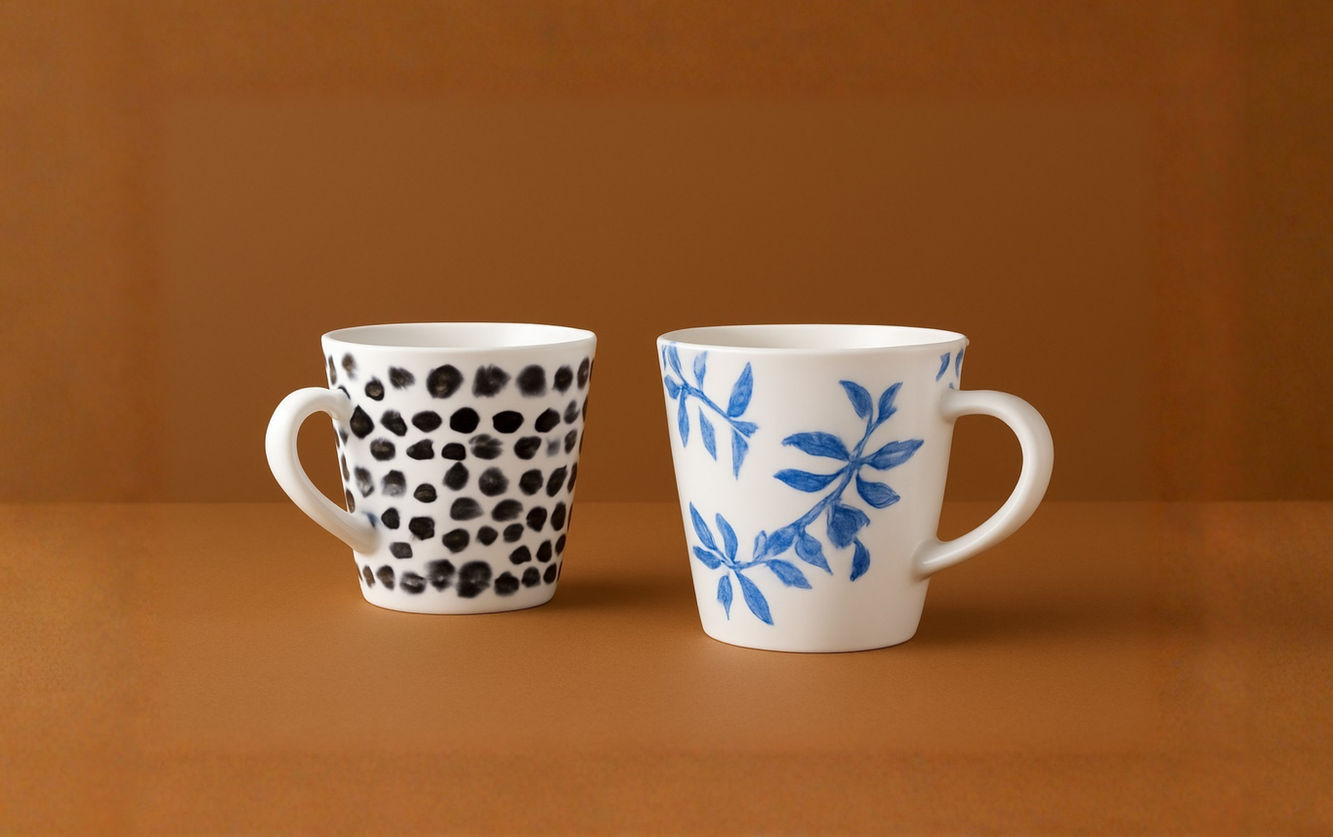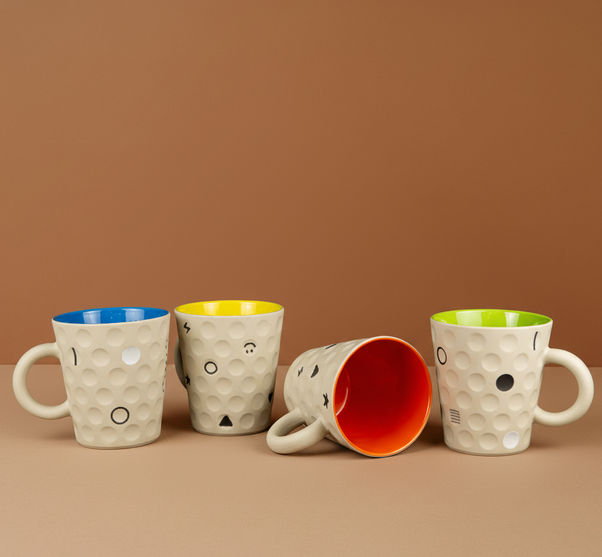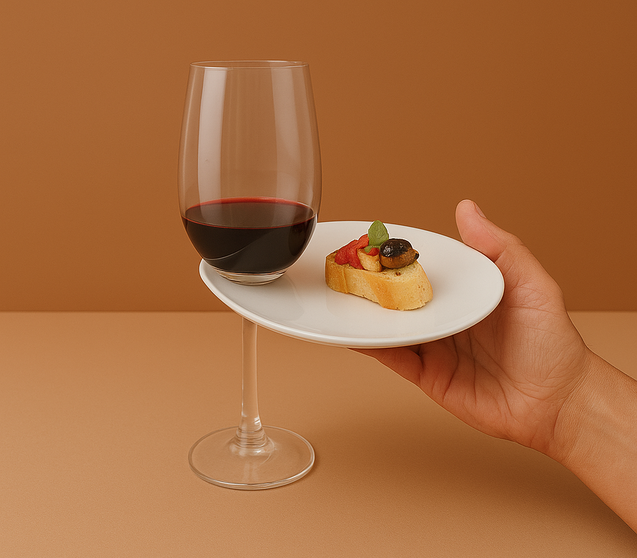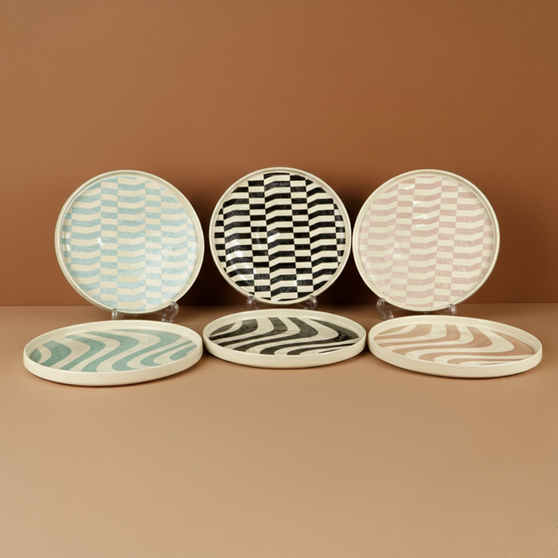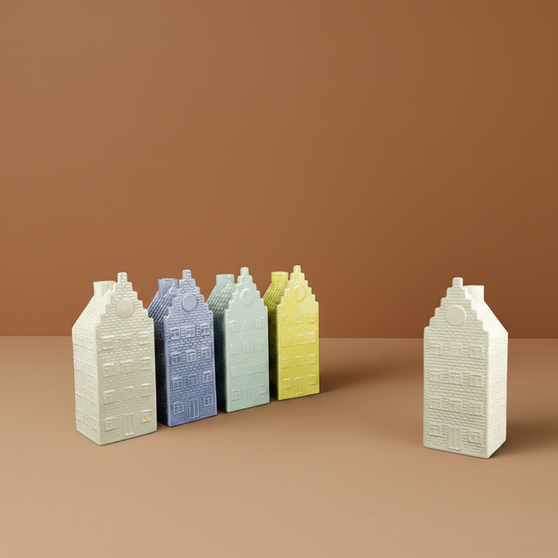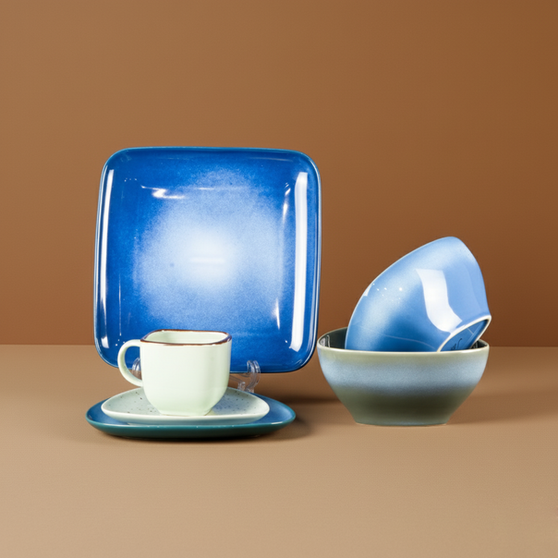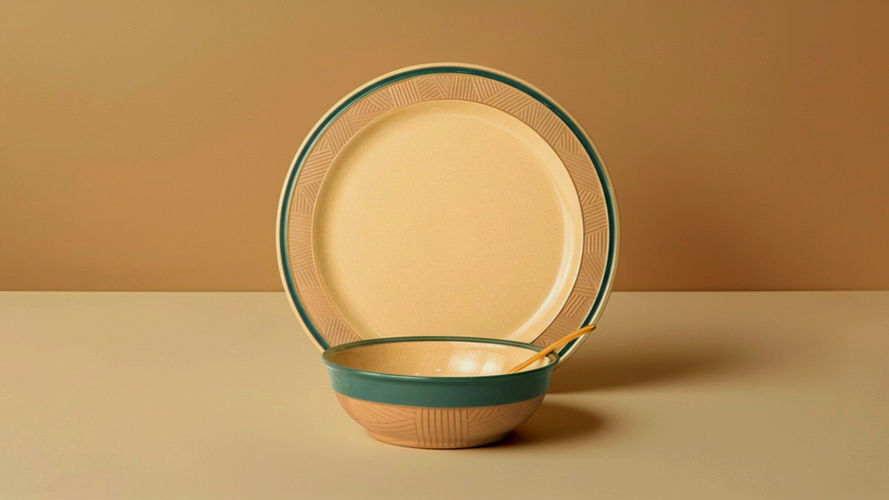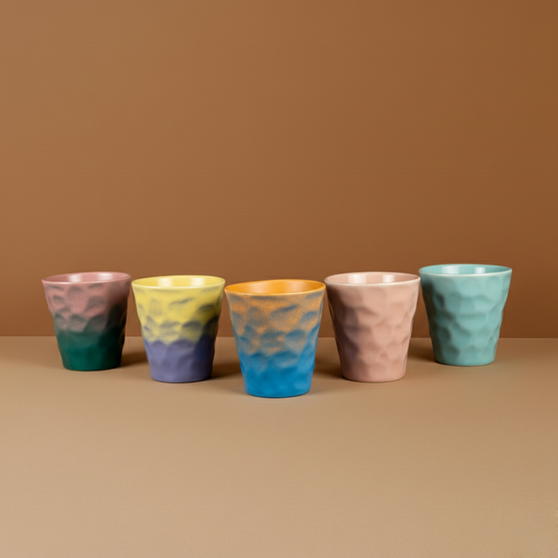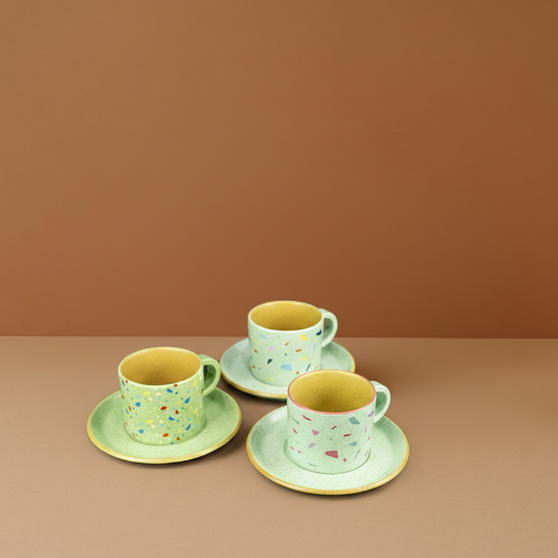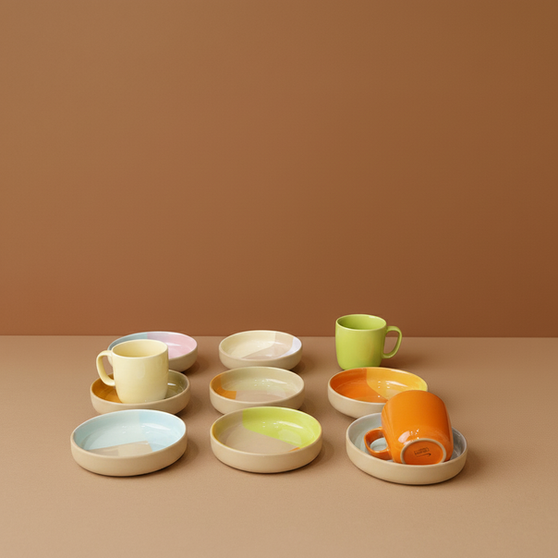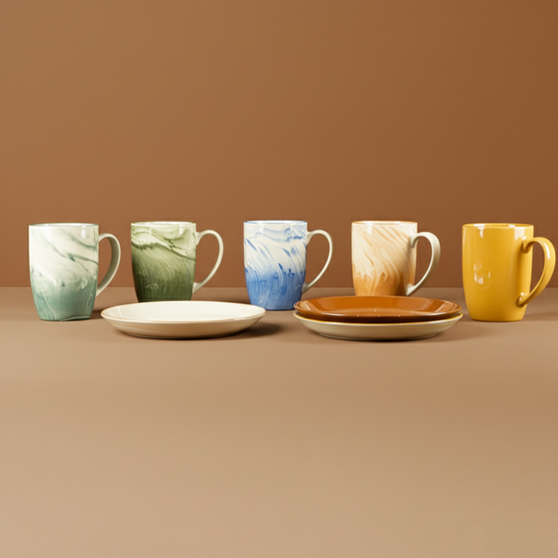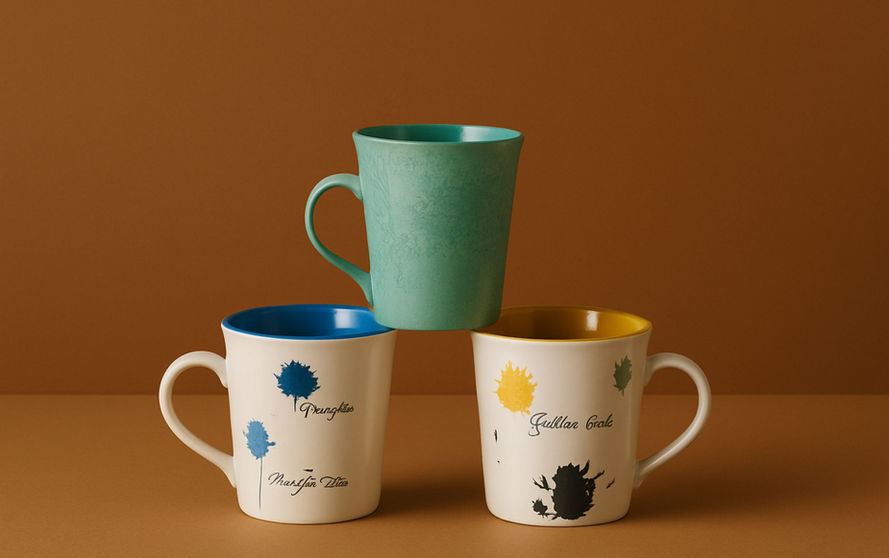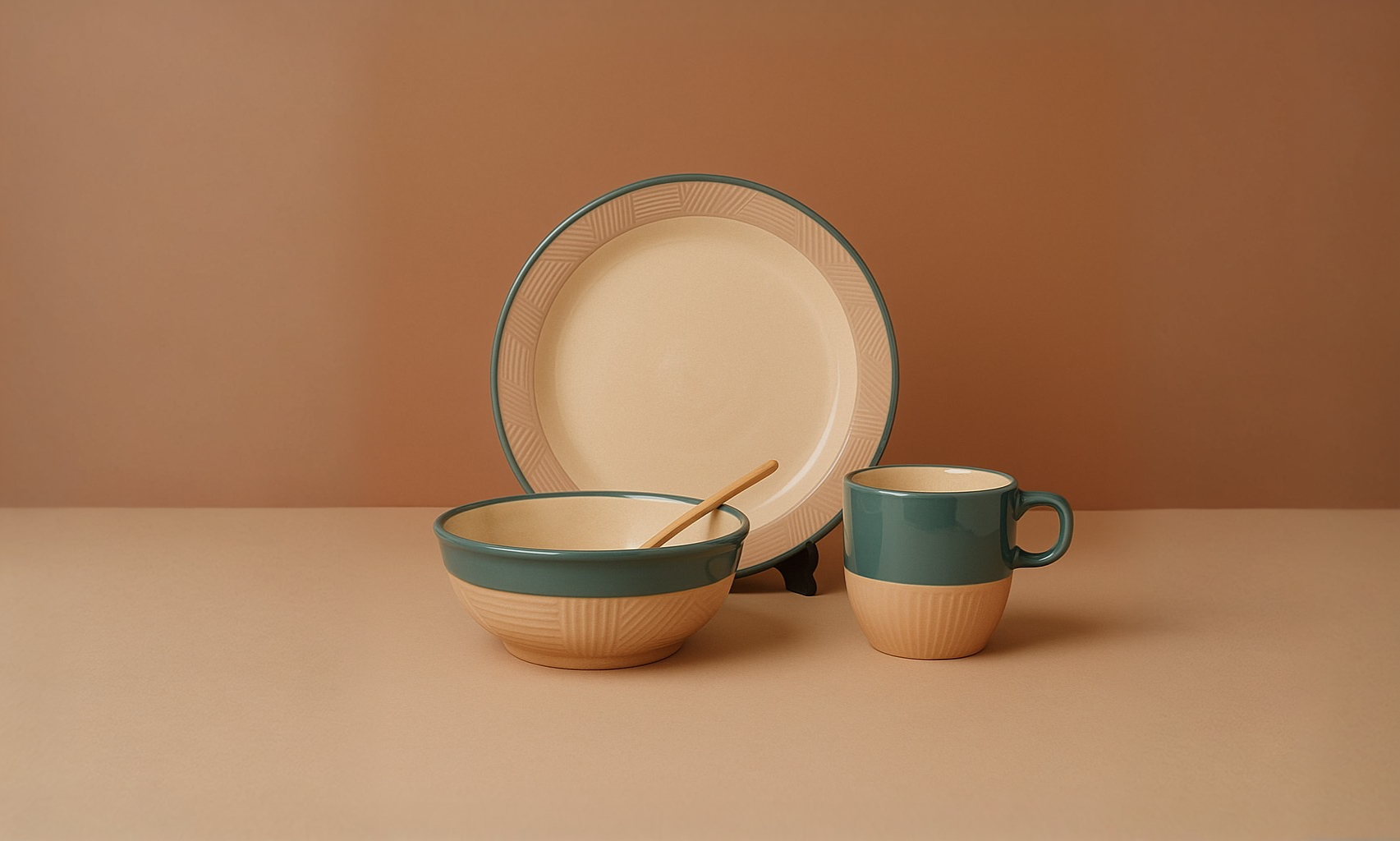
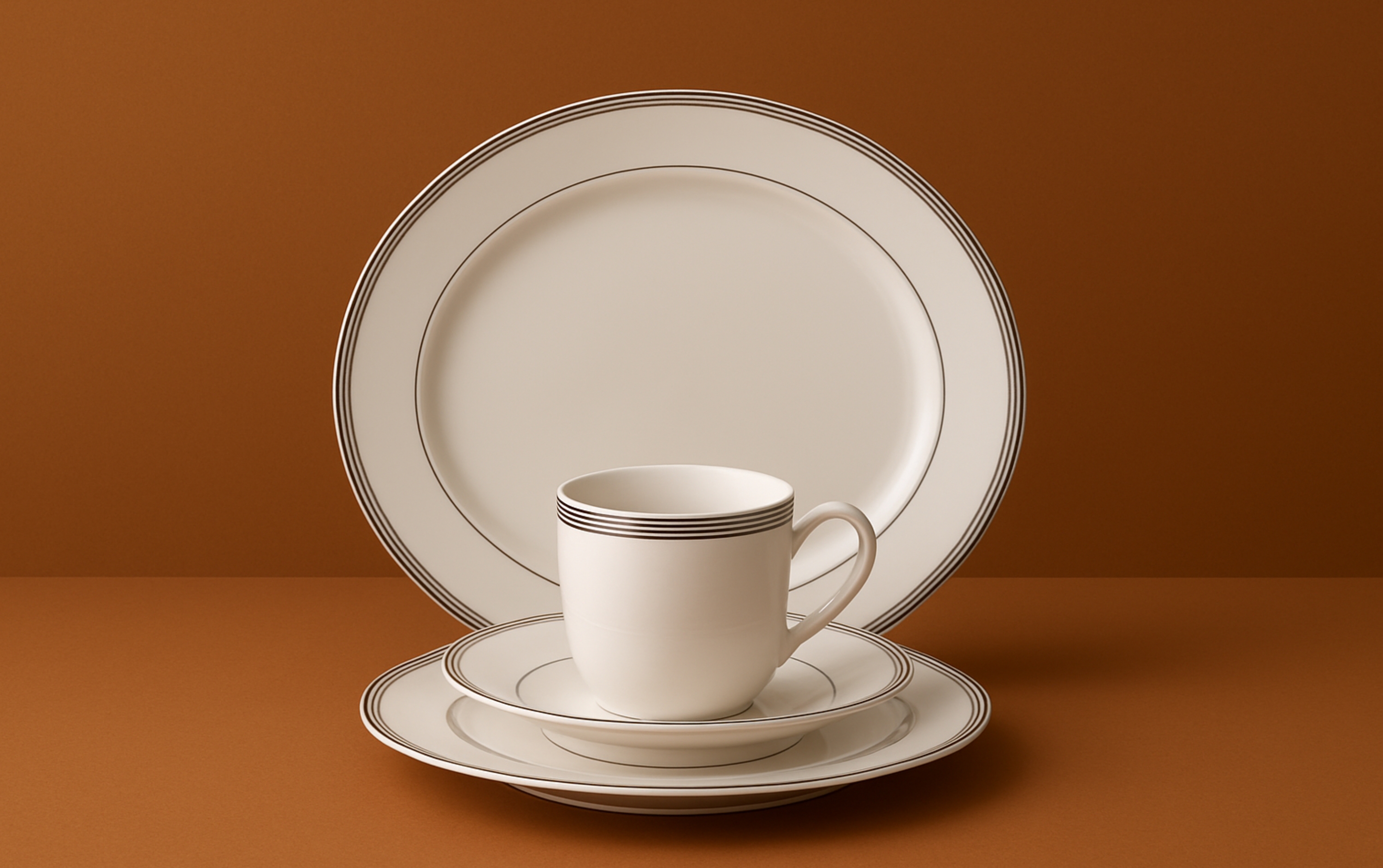
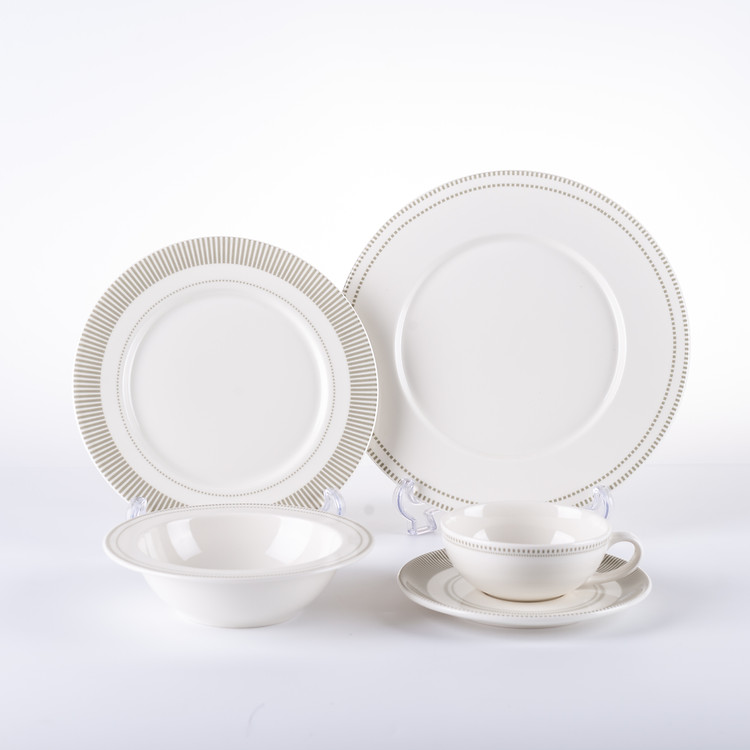
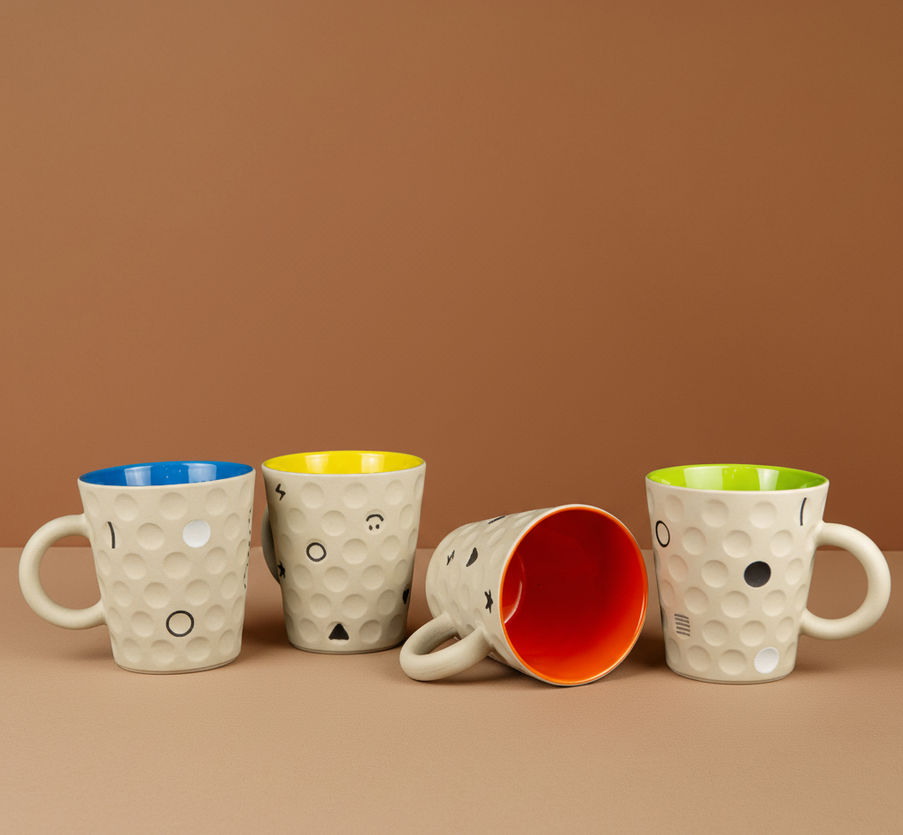
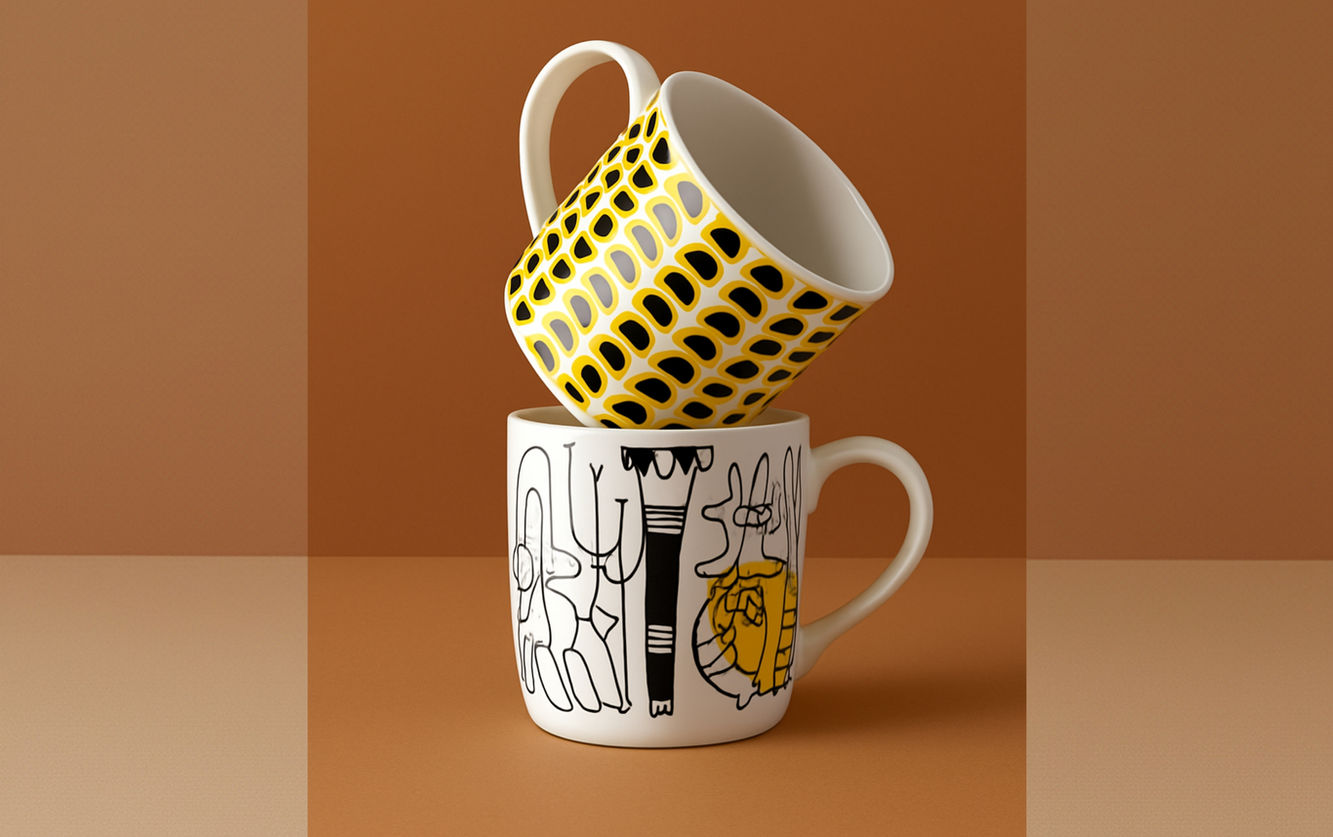
Isostatic forming ceramics tableware range manufactured by Crown Ceramics in Thailand
High-density reactive glazed stoneware produced via dry pressing and roller kiln firing
Automated ceramic production plant in Ratchaburi Thailand featuring isostatic pressing technology

Engineering & B2B Procurement Guide · Thailand

Isostatic Forming Ceramics: Precision Engineering for Commercial Tableware

How dry pressing technology eliminates internal stress, delivers sub-millimeter dimensional accuracy, and redefines chip-resistance for global hospitality, airline, and retail brands.

300 BarHydraulic Pressing
< 0.2%Vitreous Absorption
10M+Annual Unit Output
95%Exported Worldwide

Search Quality & Intent Analysis

Why Global Procurement Is Shifting to Isostatic Forming Ceramics

In modern commercial dining, retail distribution, and airline catering, tableware failure is rarely a matter of surface aesthetics—it is a structural issue. Traditional forming methods such as plastic jiggering and wet slip casting introduce moisture gradients and directional clay grain alignment. When fired at temperatures exceeding 1,200 °C, these hidden structural stresses lead to rim warpage, micro-fracturing, uneven heat distribution, and premature chipping.

Isostatic Forming Ceramics represent a fundamental leap forward in silicate engineering. By compressing ultra-fine, spray-granulated ceramic powder (2% to 4% moisture content) inside flexible polyurethane elastomeric moulds under multi-directional hydraulic pressure up to 300 MPa (3,000 bar), the process produces a completely isotropic green body. The result is zero internal stress, perfect geometric symmetry, uniform shrinkage across X, Y, and Z axes, and unmatched mechanical durability.

  • Zero-Stress Microstructure: Multi-directional hydraulic compaction eliminates directional memory and differential drying shrinkage.
  • Sub-Millimeter Tolerances: Strict dimensional consistency guarantees flawless automated stacking and compatibility with commercial dishwashers.
  • Enhanced Modulus of Rupture (MOR): Superior green and fired body density boosts flexural strength beyond 90 MPa for vitreous china bodies.
  • Eco-Efficient Production: Dry pressing consumes up to 70% less thermal drying energy compared to wet plastic mass forming.

Get a Quote

Master technician performing post-press edge trimming on an isostatically formed ceramic plate

Technical Deep-Dive

Isostatic Pressing vs. Traditional Forming Technologies

Understanding the physics of compaction explains why dry-pressed ceramic dinnerware outperforms wet-formed alternatives in high-stress commercial applications.

aria-label="Comparison of ceramic tableware forming techniques"
Forming Metric / Property Isostatic Forming (Dry Pressing) Plastic Jiggering / Jolleying Conventional Slip Casting
Feedstock State Granulated spray-dried powder (2-4% H₂O) Plastic pugged clay body (18-24% H₂O) Liquid ceramic slip slurry (28-35% H₂O)
Compaction Mechanism Omnidirectional hydraulic pressure (150–300 bar) Uniaxial mechanical roller blade shear Capillary action absorption via gypsum mould
Internal Stress Profile Isotropic (Zero stress orientation) Anisotropic (High shear strain & memory) Graduated wall density (Settling stress)
Dimensional Variation Tight (± 0.5% tolerance) Moderate (± 1.5% to 2.5% tolerance) High (± 3.0% to 5.0% tolerance)
Firing Warpage Rate < 0.1% rejection rate 3.0% – 8.0% typical rim deformation 5.0% – 12.0% structural slump rate
Flexural Strength (MOR) Very High (> 90 MPa Vitreous China) Standard (55–70 MPa) Moderate (45–60 MPa)

The Physics of Dry Granulate Compaction

In classical plastic forming, clay platelets align parallel to the direction of the jigger blade. During drying and firing, water leaves the matrix along these alignment planes, causing uneven contraction—a primary root cause of ovality in round plates and bowing in flat platters. Isostatic pressing bypasses this limitation entirely.

During the isostatic sequence, spherical spray-dried granulates flow freely into the elastic mould cavity. As hydrostatic pressure builds, these granules fragment and deform plastically, interlocking at the micro-scale without creating grain orientation. When released from the mould, the green piece possesses uniform density throughout its cross-section, allowing it to undergo linear thermal contraction during kiln firing without structural distortion.

Automated raw powder preparation and granulate slip conditioning for isostatic ceramic pressing

Product Engineering

Isostatically Formed Ceramic Ranges for Global OEM/ODM

Crown Ceramics integrates isostatic pressing across three specialized material bodies, tailored to specific commercial channels, operating budgets, and aesthetic demands.

Vitreous china isostatic pressed dinner plate with reinforced rim profile

Isostatic Vitreous China

Engineered for five-star hotels, international airlines, and high-volume banquet facilities. Fired at 1,250 °C to create an impervious glass-bound body with exceptional mechanical strength.

  • Water Absorption< 0.2% (Impervious)
  • Impact ResistanceHigh Rim Edge Defense
  • Firing Profile1,240–1,260 °C Roller Kiln
  • Target ChannelsHoReCa, Airlines, Healthcare
Get a Quote
Reactive glazed stoneware bowl produced via high-pressure isostatic dry pressing

Isostatic Stoneware

Combines the organic, tactile appeal of natural stoneware with the structural precision of dry pressing. Ideal for modern retail lifestyle brands demanding stackability and zero wobble.

  • Water Absorption< 1.5% (High Vitrification)
  • Glaze CompatibilityReactive, Matte & Satin
  • Firing Profile1,180–1,220 °C Fast Firing
  • Target ChannelsRetail chains, E-Commerce
Get a Quote
Commercial terracotta oven-to-table serveware formed with high-density dry pressing

Isostatic Terracotta & Bake

Reinforced red-clay formulations pressed dry for thermal oven-to-table stability. Eliminates micro-porosity defects common in traditional terra-cotta bakeware.

  • Thermal Shock220 °C to Ambient Pass
  • StructureDense Terracotta Matrix
  • Firing Profile1,050–1,120 °C Shuttle Kiln
  • Target ChannelsCookware, Tapas & Serveware
Get a Quote

Market Intelligence

As global supply chains shift toward carbon neutrality, automated fulfillment, and total cost of ownership (TCO) evaluation, B2B procurement strategies for ceramic tableware are evolving rapidly.

01. Automated Stacking Accuracy

Modern automated warehousing and commercial pass-through dishwashers demand precise rim profiles. Isostatic pressed tableware ensures exact height matching (±0.3 mm) for robotics and compact storage.

02. Decarbonized Spray Granulation

Next-generation spray drying towers utilize heat recovery from kilns and green electrical energy to atomize ceramic slip, reducing the carbon footprint per kilogram of dry granulate.

03. Rapid Digital Tooling

Polyurethane isostatic membranes are now cut using direct 5-axis CNC machining driven by 3D CAD data, reducing sample turnarounds from 8 weeks down to 10–14 days.

04. Zero Waste Re-granulation

Unfired green scrap from edge trimming is instantly crushed, re-slurried, and fed back into the spray granulator, achieving near 100% material utilization with zero solid waste.

05. Ultra-Thin Lightweighting

High compaction pressures allow factory engineers to thin out cross-sectional profiles without sacrificing mechanical strength, cutting shipping weight and freight costs by up to 18%.

Crown Ceramics quality assurance team conducting dimensional inspection on dry-pressed ceramic dinnerware

Strategic Outlook

Global ceramic tableware procurement is undergoing a major structural realignment. Multi-national restaurant chains, hotel groups, and premier department stores are actively diversifying their supply chains away from single-source markets to mitigate geopolitical risk, tariff volatility, and freight disruptions. Southeast Asia—and specifically Thailand—has emerged as the premier manufacturing hub for technical ceramics.

Furthermore, stringent environmental standards such as the EU Corporate Sustainability Due Diligence Directive (CSDDD) and carbon accounting mandates require buying organizations to audit factory emissions, water usage, and labor ethics. Plants utilizing dry-pressing isostatic lines hold a distinct competitive edge: by eliminating large-scale plaster mould casting, water consumption is reduced by over 60%, and hazardous plaster waste is completely eliminated from landfill streams.

Get a Quote

Aerial perspective of Crown Ceramics eco-friendly tableware production facilities in Thailand

Eco-Vitreous Engineering

Sustainable Isostatic Production with Reclaimed Clay Bodies

At Crown Ceramics, technical innovation goes hand-in-hand with environmental stewardship. Our dry pressing operations integrate closed-loop material reclamation systems that recycle unfired ceramic body scrap back into our spray-drying slip streams.

ISO 14001 Certified Zero-Plaster Waste Process Closed-Loop Slip Recovery Low-CO₂ Roller Kilns

By pairing isostatic forming with energy-efficient continuous roller kilns, we optimize heat distribution during sintering, cutting natural gas consumption per fired unit while producing dinnerware built to survive decades of continuous commercial use.

Get a Quote
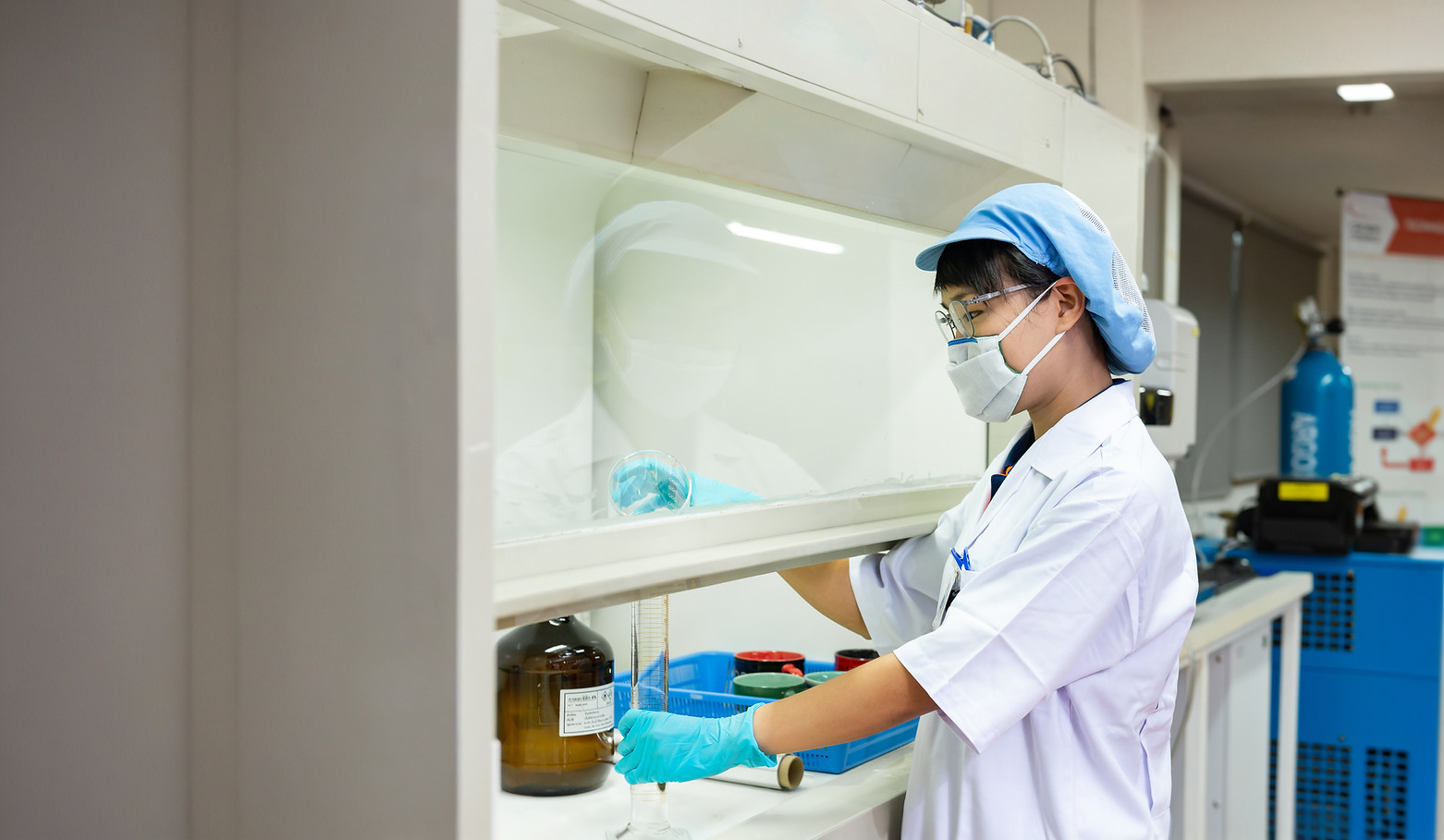
Lab director performing atomic absorption spectrophotometry testing on ceramic glazes

Enterprise E-E-A-T & Compliance

In-House Analytical Verification Protects Your Brand

For over 30 years, Crown Ceramics has served as a trusted original equipment manufacturer (OEM) and own design manufacturer (ODM) for world-renowned brands, exporting 95% of total capacity to North America, Western Europe, Scandinavia, and Australia. Trust is earned through rigorous, verifiable laboratory control at every stage of the raw material and production pipeline.

Atomic Absorption Spectrophotometry

Continuous chemical analysis ensures zero lead and cadmium release, guaranteeing total compliance with FDA 21 CFR, EU Directive 84/500/EEC, and California Proposition 65.

Thermal Expansion Dilatometry

Body and glaze coefficients of thermal expansion (CTE) are synchronized to eliminate micro-cracking, crazing, and thermal shock failure across freezer-to-oven transitions.

Spectrophotometric Colour Matching

Glaze hues, decal prints, and matte surface finishes are measured numerically using ΔE spectrophotometers to ensure 100% color consistency between production lots.

Laser Particle Size Distribution

Spray-dried raw material granulate size is controlled to maintain optimal flowability, bulk density, and defect-free compaction during high-pressure isostatic pressing.

Get a Quote

Turnkey Manufacturing Solutions

OEM, Private Label, and ODM Ceramic Manufacturing

Whether you require exact execution of custom engineering drawings or wish to select from our pre-tested library of isostatically pressed shapes, Crown Ceramics provides end-to-end program management. Our facility in Ratchaburi, Thailand, operates under international quality and ethical standards, backed by ISO 9001, ISO 14001, SMETA ethical trade audits, and Authorized Economic Operator (AEO) customs status.

As an expanding ODM partner, our in-house design studio collaborates with international tabletop experts to deliver market-ready, trend-aligned tableware lines that combine luxury aesthetic refinement with commercial-grade durability.

  • OEM Manufacturing: Precision polyurethane mould cutting, automated pressing, custom glaze matching, and customized backstamping.
  • Private Label Programs: Retail-ready packaging solutions including drop-test certified gift boxes, barcode labeling, and custom display sleeves.
  • ODM Design Library: Turnkey access to proven isostatic shapes and proprietary glaze formulations for rapid seasonal collection launches.
  • Supply Chain Security: AEO customs status ensures expedited container clearance and reliable shipping schedules to destination ports worldwide.

Get a Quote

High-speed continuous roller kiln line firing isostatically pressed ceramic dinnerware

Global Quality & Compliance Standards

Independent audit verification confirming excellence in quality management, environmental responsibility, ethical trade, and export security.

ISO 9001 Certified Quality Management System badge
Quality Management
ISO 14001 Certified Environmental Management System badge
Environmental
SMETA Ethical Trade Audit certification logo
Ethical Trade
AEO Authorized Economic Operator secure export certification badge
Secure Export
FDA and EU food contact safety compliance mark
Food Safety

Procurement FAQ

Frequently Asked Questions: Isostatic Forming Ceramics

Isostatic forming presses dry, spray-granulated ceramic powder (2-4% moisture content) inside a flexible membrane under ultra-high, multi-directional hydraulic pressure (up to 300 bar). Unlike plastic jiggering or slip casting, which introduce directional grain stress and moisture gradients, isostatic pressing produces zero internal tension, uniform green density, extremely tight dimensional tolerances (±0.5%), and virtually eliminates pyro-plastic deformation or warpage during high-temperature roller kiln firing.

Commercial foodservice environments subject ceramic dinnerware to severe physical impacts and automated washing cycles. Isostatic vitreous china possesses an ultra-dense crystalline microstructure with water absorption under 0.2% and significantly higher mechanical bending strength (MOR > 90 MPa). This results in superior edge-chip resistance, perfect stackability, uniform thermal expansion, and a substantially lower lifetime cost per plate.

Standard OEM/ODM production runs for isostatically formed tableware start at 2,000 to 3,000 pieces per shape depending on the glaze complexity and body formulation. Rapid 3D resin tooling allows master prototype creation within 7-10 days, while full production mould tooling and sample sign-off typically require 21-30 days. Complete order fulfillment ranges from 60 to 90 days from design approval.

Yes. Isostatically pressed greenware undergoes automated edge-sponging and surface conditioning, creating an exceptionally smooth canvas for glazing. Crown Ceramics applies reactive glazes, matte finishes, wax-resist patterns, digital decalcomania, and precision laser engraving. In-house dilatometry testing ensures that the thermal expansion coefficients of the body and glaze match perfectly to prevent crazing or shivering.

Crown Ceramics operates an ISO 9001 and ISO 14001 certified plant featuring an in-house analytical laboratory. Every batch of raw materials and finished pieces is tested using Atomic Absorption Spectrophotometry for zero lead and cadmium leaching (exceeding FDA, California Prop 65, and EU Regulation No 1935/2004 standards). Mechanical integrity is verified via thermal shock testing (200°C to 20°C ice water dip), edge-impact resistance testing, and dishwasher endurance runs.

Start Your Sourcing Program

Engineered Ceramic Dinnerware for Global Wholesale & Hospitality

Partner with Crown Ceramics to bring high-density isostatic forming technology to your tableware portfolio. Share your CAD designs, target price points, or delivery schedules for a detailed engineering analysis and fast-track quotation.