Direct factory supply of heavy-duty vitreous china, sugarcane bagasse compostables, metallic-coated banquet plates, and specialized transit dinnerware compliant with EU/Swiss food contact regulations.
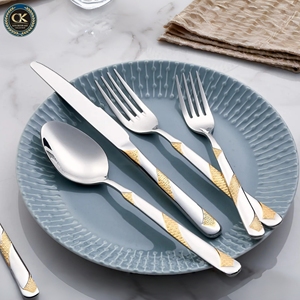
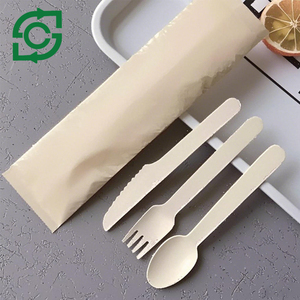
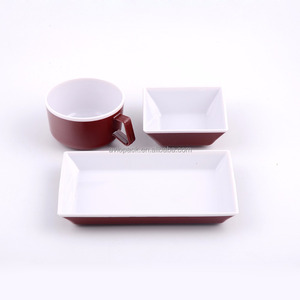
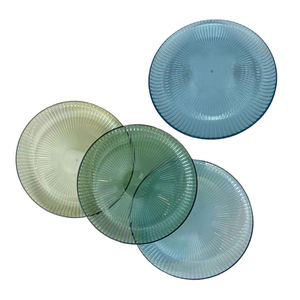
The Swiss hospitality and commercial catering sector represents one of the most demanding markets globally for tabletop infrastructure. Operating across luxury alpine destinations such as St. Moritz, Zermatt, and Davos, as well as international financial and diplomatic hubs like Zurich and Geneva, Swiss catering procurement teams enforce rigorous criteria for tableware performance, aesthetic refinement, and environmental compliance.
Direct sourcing from advanced international dinnerware factories has evolved from a simple cost-management tactic into a strategic partnership model. Commercial caterers, hotel procurement groups, and airline catering companies (e.g., serving Zurich ZRH and Geneva GVA flight hubs) require dinnerware solutions that bridge the gap between high-volume operational durability and refined guest presentation.
Under the regulatory framework enforced by the Swiss Federal Food Safety and Veterinary Office (FSVO / BLV) and alignment with EU Ordinance (EC) No 1935/2004 and Swiss Ordinance SR 817.023.21 on Materials and Articles, all dinnerware supplied to Switzerland must satisfy strict chemical migration limits, specifically concerning heavy metals (lead, cadmium, cobalt) and plasticizers.
Tableware used in outdoor alpine dining must withstand extreme temperature shifts from sub-zero mountain environments (-20°C) to rapid high-temperature commercial dishwashing (+85°C) without micro-crazing or structural fracture.
Swiss cantons increasingly enforce zero-single-use-plastic mandates. Sourcing now leans heavily toward 100% compostable sugarcane bagasse or engineered reusable polymers with verified multi-hundred cycle lifespans.
With high real estate costs in Swiss banquet venues and tight galley space in transit catering, dinnerware must feature precision-engineered foot rims that maximize vertical storage stability and reduce breakages during transport.
Selecting the appropriate ceramic or polymer body is critical to managing total cost of ownership (TCO) in high-frequency commercial catering. Below is a comprehensive engineering comparison of primary commercial dinnerware materials manufactured for the Swiss enterprise market:
| Material Category | Firing / Molding Temp | Water Absorption | Thermal Shock Delta | Primary Swiss Application |
|---|---|---|---|---|
| Vitreous China | 1,220°C – 1,260°C | < 0.5% | > 180°C | Luxury Hotel Dining, Fine Banqueting, Fine Dining |
| Commercial Stoneware | 1,180°C – 1,230°C | < 3.0% | 140°C – 160°C | Retail Lifestyle, Boutique Alpine Chalets, Farm-to-Table |
| Heavy-Duty Melamine | Compression Molded | Non-Porous | Max 120°C | High-Volume Buffets, Institutional Dining, Poolside |
| Sugarcane Bagasse | Thermo-Molded Fiber | Hydrophobic Coating | -20°C to 120°C | Eco-Conscious Outdoor Festivals, Takeaway Catering |
| Aircraft-Grade ABS/PC | Injection Molded | Non-Porous | -30°C to 100°C | Inflight Meal Services, Railway Dining, Mobile Caterers |
Our manufacturing plant utilizes high-pressure isostatic pressing for flatware plates and high-speed automated roller-head forming for hollowware. Isostatic pressing ensures uniform internal density, eliminating structural micro-voids and providing exceptional mechanical edge-strength that resists chipping during heavy dishwashing handling.
Different commercial dining environments across the Swiss cantons require specialized technical features tailored to operational demands:
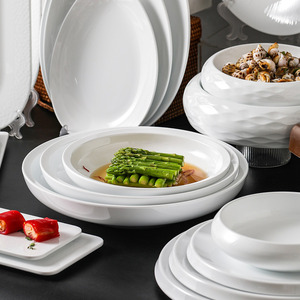
Outdoor terraces in resorts like St. Moritz and Zermatt experience extreme thermal shocks. Standard earthenware crackles within weeks under these conditions. Our Vitreous China and thermal-shock-resistant stoneware undergo rigorous laboratory testing (-20°C freezer to +100°C steam injection cycle testing) to guarantee zero glaze failure. Furthermore, glazes are formulated with high quartz content to resist scratching from steak knives and commercial cutlery.
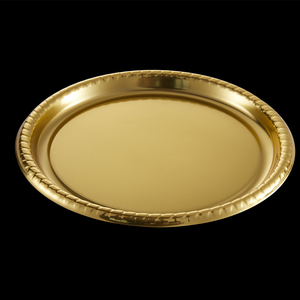
High-level international summits (such as those hosted at the Palais des Nations in Geneva or corporate conferences in Zurich) demand silent, elegant handling alongside flawless visual presentation. Our heavy-duty metallic-coated banquet plates and customizable vitreous porcelain ranges feature acoustic noise-dampening foot profiles and micro-textured rims that minimize clatter during multi-course service clears.
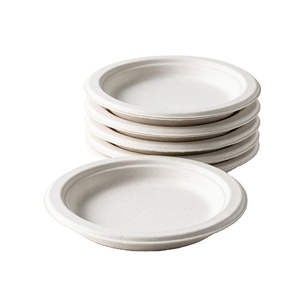
With cantonal waste management directives prioritizing circularity, single-use conventional plastics are systematically phased out. Our Wholesale Compostable Sugarcane Bagasse series offers Swiss event organizers an uncompromised eco-friendly alternative. Made from upcycled agricultural byproduct, these items break down within 90 days in commercial composting facilities while maintaining structural rigidity under hot sauces, gravies, and oils up to 120°C.
Inflight catering operations (e.g., Gate Gourmet, Swissport) rely on strict weight parameters and tray dimension standardization (Atlas / KSSU standards). Our Rotatable Airline Tableware Sets made from lightweight, high-impact reusable ABS resin optimize weight-to-volume ratios, directly lowering fuel consumption for international carriers while enduring hundreds of automated washing cycles.
Backed by over 30 years of specialized manufacturing experience, our production infrastructure is designed to serve high-volume institutional buyers, importers, and brand owners worldwide. We operate two full-scale manufacturing facilities spanning automated raw material batching, body preparation, forming, automated glazing, and continuous tunnel kiln firing.
Every raw slip batch undergoes atomic absorption spectroscopy to ensure zero lead and cadmium leaching, fully conforming to US FDA and Swiss SR 817.023.21 food contact parameters.
Our operations hold ISO 9001 Quality Management and ISO 14001 Environmental System certifications, paired with SMETA social compliance audits for ethical supply chain transparency.
Holding Authorized Economic Operator (AEO) status streamlines export documentation and customs processing, facilitating expedited shipping pathways into Swiss customs ports (Basel, Zurich Airport).
For Swiss distributors requiring proprietary shape designs, custom backstamps, or brand-specific glaze finishes (such as reactive glazes, matte earth tones, or precision decalcomania logo printing), our development cycle provides rapid prototyping:
All imported tableware must comply with the Swiss Ordinance on Materials and Articles (SR 817.023.21) and EU Regulation (EC) No 1935/2004. Our factory provides certified laboratory test reports covering heavy metal migration (lead, cadmium), thermal endurance, and microwave safety for every shipment batch.
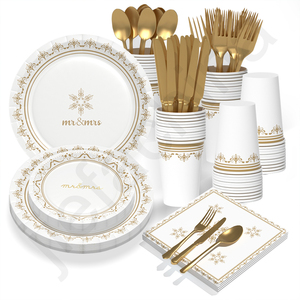
For custom ceramic shapes (Vitreous China or Stoneware), standard production MOQs start at 2,000 to 3,000 pieces per shape. For compostable bagasse plates or customized disposable paper sets, MOQs typically start at 50,000 pieces per printing run.
Our Vitreous China and heavy-duty melamine lines are tested to withstand over 1,000 commercial dishwasher cycles at 85°C with aggressive alkaline detergents, guaranteeing no glaze dulling, color degradation, or surface crazing.
Standard OEM manufacturing lead time is 45 to 60 days post-sample approval. Sea freight from our export port to major European hubs (Rotterdam/Hamburg) plus rail transit into Swiss bonded warehouses takes approximately 28 to 35 days.
Partner directly with a certified source factory. Contact our engineering team today to request physical sample kits, technical datasheets, or a competitive factory-direct quote for your Swiss catering project.
Contact Us