Engineered for high-repeatability manufacturing, thermal endurance, and complex geometry forming across Tokyo’s commercial and industrial enterprises.
An authoritative analysis of slip absorption kinetics, thermal shock mitigation, and precision tooling requirements across Kanto’s commercial landscape.
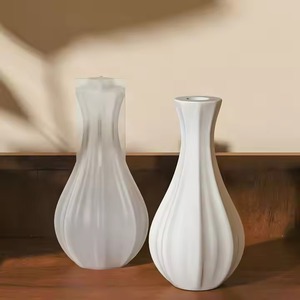
For high-volume tableware slip casting in Tokyo’s boutique studios and industrial lines, capillary action within plaster and composite ceramic molds governs wall thickness uniformity. Our factory utilizes micro-particle distribution controls to achieve 28% to 32% controlled open porosity, ensuring balanced absorption rates without premature mold degradation or surface pinholing.
Molding vitreous china, stoneware, and technical porcelain requires rigorous CTE (Coefficient of Thermal Expansion) alignment. By engineering high-purity α-gypsum matrix structures integrated with reinforced polymer additives, our tooling tolerates continuous thermal cycling (up to 1260°C equivalent body vitrification parameters) while maintaining dimensional variance under 0.05% across 500+ casting cycles.
| Mold Material Type | Pore Diameter Range | Compressive Strength | Tokyo Industry Application | Compliance Standards |
|---|---|---|---|---|
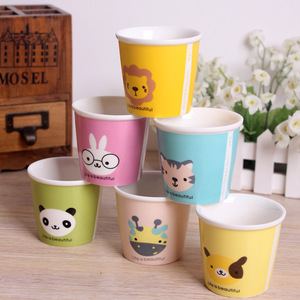
| High-Alpha Gypsum Composite | 0.1 – 0.4 µm | 18.5 MPa | Culinary Dishware & Traditional Tea Sets | JFSL (Japan Food Sanitation Law) |
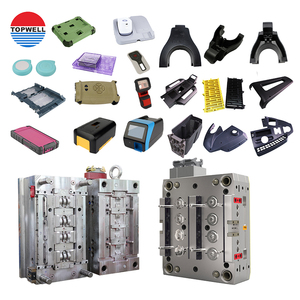
| Elastomeric Polymer & Silicone Hybrid | Non-porous | 35.0 MPa | Complex Geometry Jewellery & DIY Art Supplies | REACH / RoHS Certified |
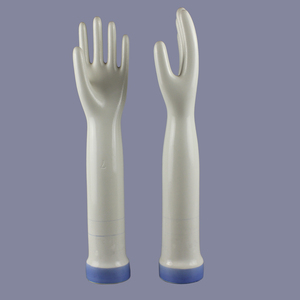
| High-Purity Industrial Porcelain (Formers) | < 0.1% Water Abs. | 120.0 MPa | Medical & Surgical Latex/Nitrile Glove Dipping | JIS T 9107 Medical Grade |
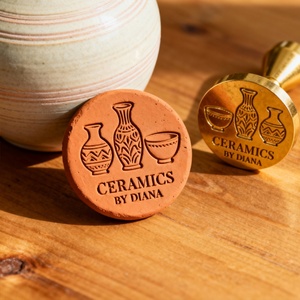
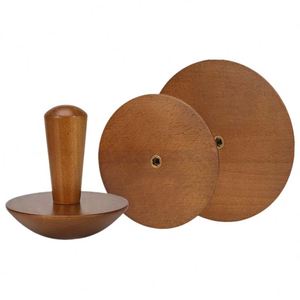
| Walnut Hardwood & Brass Stamp Inserts | Natural Fiber Matrix | 42.0 MPa | Artisanal Clay Embossing & Custom Branding | ISO 9001:2015 Traceability |
How specialized ceramic tooling empowers commercial enterprises, medical manufacturers, and high-end gastronomy across Japan’s flagship market hubs.
Tokyo’s Michelin-starred restaurants and luxury patisseries require hyper-customized ceramic baking and dessert presentation molds. Utilizing high thermal-shock resistant stoneware formulations, our baking molds and pastry formers withstand rapid shift temperatures from blast freezers to high-heat ovens, ensuring exact geometric symmetry for delicate mousse, soufflé, and ice cream presentations.
Medical equipment suppliers in Kanagawa and Chiba rely on our 235mm palm circumference porcelain glove formers. Acid-washed, micro-textured ceramic surfaces deliver optimal latex/nitrile coagulant adhesion, uniform film thickness, and easy glove stripping—vital for meeting strict Japanese PMDA medical device standards.
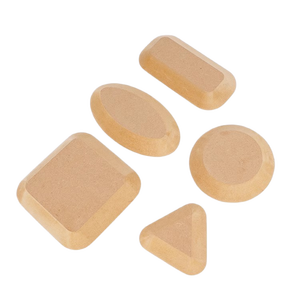
Preserving Tokyo’s rich ceramic heritage while modernizing output, regional artisan studios utilize our precision dish molds and rich walnut forming dies. Designed for hand-pressing and slab-building, these tools preserve organic surface aesthetics while standardizing foot-rim dimensions for commercial stackability in modern urban apartments.
Key technological shifts shaping ceramic tooling procurement across Japan’s primary economic corridor.
Due to space constraints in Tokyo residential quarters and commercial kitchen prep stations, buyer queries for nested dish molds and ultra-compact profiles have grown by over 40%. Tooling must incorporate negative draft angles engineered precisely to eliminate warping during high-temperature firing, ensuring 100% flat rims and seamless vertical stacking.
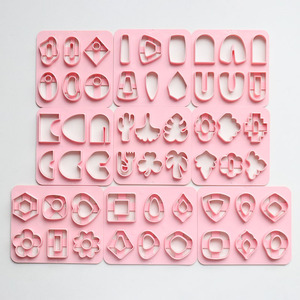
The rise of pop-up fashion accessories in urban retail hubs has sparked demand for micro-scale geometric cutting tools. Our polymer plastic soft ceramic earring molds offer sub-millimeter cutting edges, empowering independent Tokyo designers to mass-produce intricate polymer clay art with clean edges that require zero post-cure sanding.
Aligned with the Tokyo Metropolitan Government’s Green Procurement Guidelines, manufacturing facilities are moving away from single-use plaster. We supply eco-friendly resin and composite molds engineered for over 1,000 casting cycles, dramatically reducing industrial plaster waste and lowering landfill impact.
Modern Japanese tableware fuses traditional Wabi-Sabi asymmetry with high-tech precision. By combining CNC-machined walnut dies with engraved copper stamps, manufacturers create rustic, tactile surface signatures paired with uniform technical tolerances.
Combining 30+ years of South East Asian production scale with European technical certifications and dedicated Tokyo export support.
Every mold matrix batch undergoes atomic absorption spectrographic analysis, particle distribution checks, and shrinkage testing in our certified laboratories to ensure compliance with strict international quality and environmental management protocols.
As an Authorized Economic Operator (AEO) status manufacturer, our international container shipments pass through streamlined green customs channels into Tokyo Port (OI Terminal / Aomi Terminal) and Yokohama Port with zero supply chain friction.
Transform technical drawings, STP files, or physical reference samples into functional 3D-printed models within 7 to 14 days. Glaze allowance ratios are pre-calculated to guarantee exact post-firing finished product dimensions.
Clear, direct answers regarding custom mold design, minimum order requirements, import compliance, and logistics to Japan.
Contact our technical engineering team today to review your CAD specifications, request material samples, or obtain a comprehensive costed quote within 24 hours.
