Direct-factory OEM/ODM collections engineered for high-volume hospitality, institutional dining, and boutique retail across New England.








With over three decades of global export leadership, Crown Ceramics combines industrial scalability with high-precision material science to equip Boston’s finest dining institutions, hospitality groups, and luxury retail brands.
“Information Gain Advantage for Procurement Teams: Boston hospitality venues experience a 35% higher plate wear-and-tear rate due to high-turnover seafood menus, aggressive wash cycles, and rapid thermal swings. Crown Ceramics engineers high-fired vitreous china specifically to eliminate glaze crazing and edge chipping under extreme commercial demands.”
Crown Ceramics operates two large-scale manufacturing campuses spanning Bangkok and Ratchaburi, Thailand. We specialize in OEM and ODM dinnerware programs engineered to rigorous international standards including ISO 9001, ISO 14001, SMETA ethical trading, and AEO export security certification.
Our internal laboratory executes advanced diagnostic testing on every raw batch before entering continuous roller kilns fired between 1,180°C and 1,260°C:
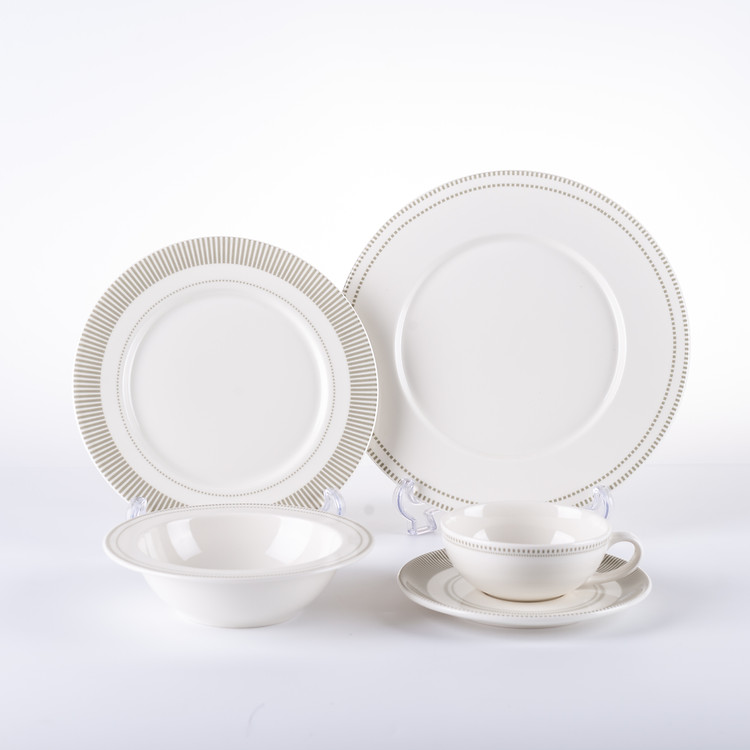
From historic Back Bay club dining rooms to fast-paced waterfront gastronomy in the Seaport District, our specialized ceramic bodies elevate food presentation while delivering low total cost of ownership.
Historic luxury hotels and upscale heritage clubs demand timeless elegance. Our 24k gold-rimmed white bone china and refined vitreous porcelain deliver unmatched translucency, zero surface pinholes, and classic understated sophistication tailored to fine dining establishments.
Boston’s oceanfront culinary scene emphasizes raw bar freshness and coastal gastronomy. Our heavy-duty reactive glaze stoneware features earthy marine tones, sea-mist textures, and high thermal mass that maintains raw oyster ice-bed temperatures and retains heat for hot seafood broths.
Serving university faculty clubs, high-volume event caterers, and conference centers require extreme stackability and break resistance. Our high-fired vitrified china engineered with reinforced foot rims prevents glaze abrasion and reduces breakage rates during rapid banquet clearing.
Key shifts shaping hospitality dinnerware purchasing, sustainability mandates, and aesthetic preferences across the New England region.
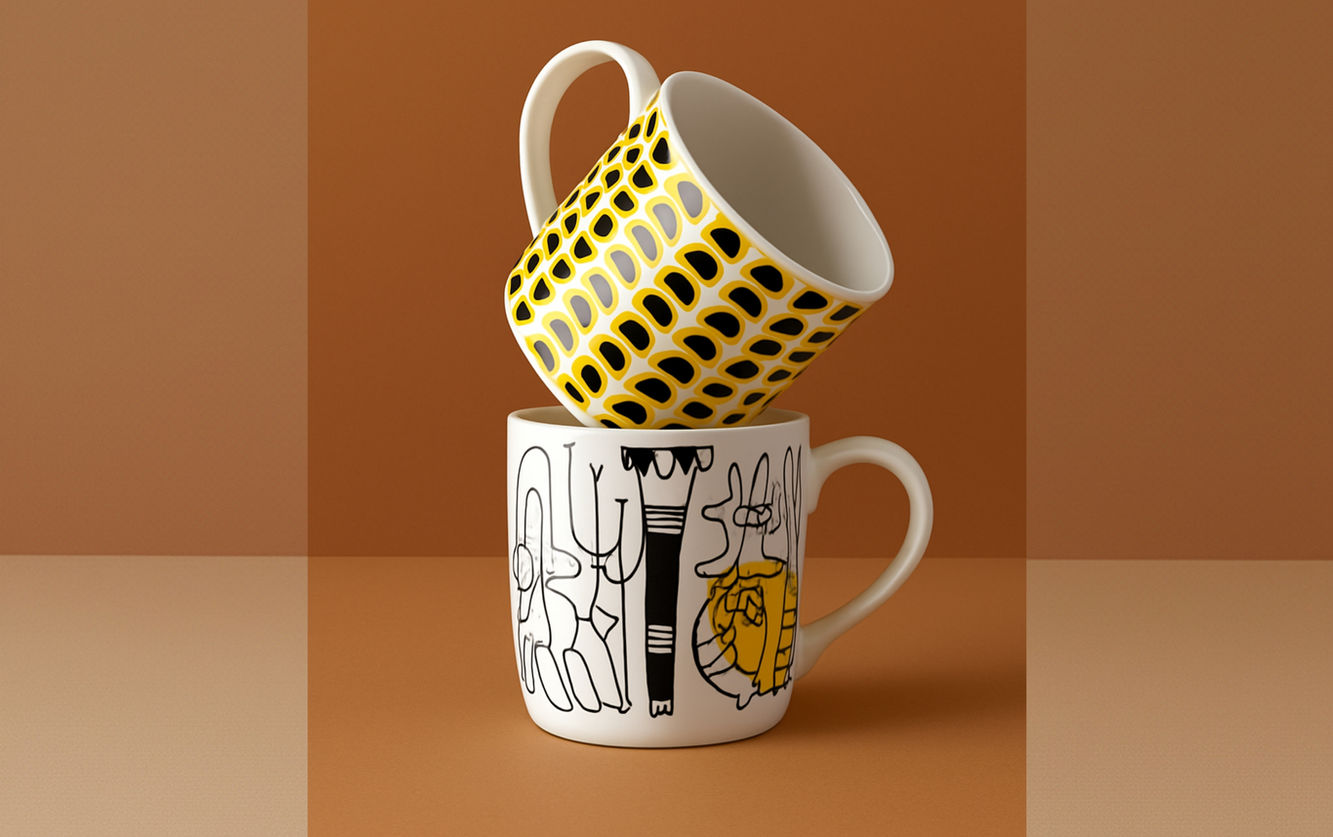
Boston chefs are steering away from sterile white plates toward tactile matte textures, speckled finishes, and organic coupe contours. However, traditional studio pottery breaks quickly in commercial conveyors. Our ODM reactive stoneware bridges this gap by combining studio aesthetic depth with industrial vitrification (<3% water absorption).
Institutional buyers in Cambridge and Boston municipal hospitality mandates require verified sustainability credentials. Crown Ceramics leads South East Asian manufacturing with ISO 14001 environmental management, 100% closed-loop unfired clay body reclamation, and water purification recycling systems.
Monogrammed table settings elevate hospitality branding. Utilizing high-resolution decalcomania and under-glaze firing techniques, we embed custom hotel logos beneath a vitreous protective shield, ensuring logos never fade under harsh sanitizing chemicals.
Match your operational throughput and concept aesthetic to the ideal ceramic material formulation.
| Ceramic Body Type | Water Absorption | Firing Temperature | Thermal Shock Delta | Dishwasher Cycle Life | Primary Boston Venue Match |
|---|---|---|---|---|---|
| Vitreous China | < 0.5% (Impervious) | 1,220°C – 1,260°C | Up to 220°C | 5,000+ Industrial Cycles | High-Volume Hotels & Banquets |
| Commercial Stoneware | < 3.0% (Dense) | 1,180°C – 1,230°C | Up to 180°C | 3,500+ Commercial Cycles | Modern Bistros & Coastal Dining |
| Terracotta / Red Clay | 5.0% – 8.0% (Porous Body) | 1,050°C – 1,120°C | Up to 150°C | Hand-Wash / Gentle Wash | Specialty Bakeware & Retail |
| High-Alumina Porcelain | < 0.2% (Ultra-Dense) | 1,300°C+ | Up to 250°C | 7,500+ Heavy Duty Cycles | Institutional & Airline Catering |
Clear answers regarding ocean freight shipping, custom prototyping, regulatory compliance, and minimum order quantities.
We routinely ship Full Container Loads (FCL) and Less than Container Loads (LCL) directly from Laem Chabang Port (Thailand) to the Port of Boston (Conley Terminal). Transit time typically ranges between 32 to 38 days. Our experienced export documentation desk handles all AEO-customs clearance, ISF filings, bill of lading documentation, and port delivery routing smoothly to your distribution warehouse anywhere in Massachusetts or broader New England.
Yes, 100% compliant. All glazes and ceramic bodies are tested in-house using Atomic Absorption Spectrophotometry and certified by independent third-party laboratories (SGS / Intertek). We provide official certificates of compliance confirming zero lead and cadmium leaching per FDA CPG 7117.06/07 standards prior to container shipment.
Standard OEM custom shape and glaze programs start at 2,000 pieces per shape/color for stoneware and terracotta, and 3,000 pieces for vitreous china. For established hotel chains, restaurant groups, or retail distributors, we support consolidated mixed-container shipments combining multiple SKUs to optimize inventory turns.
Upon receiving 3D CAD files or reference physical samples, our development studio generates 3D-printed plastic mockups within 7 to 10 days. Once approved, plaster master molds, physical glaze trials, and pre-production samples are completed within 3 to 4 weeks. Mass production cycles average 60 to 75 days from sample sign-off.
Yes. Our vitreous china flatware ranges feature rolled, reinforced rims specially formulated to pass ASTM C368 impact testing. We provide formal 5-year edge chip warranties on selected hotel-grade vitreous plates and coupe shapes utilized in heavy-turnover commercial environments.
Elevate your Boston dining room operations or expand your retail line with factory-direct precision ceramics engineered in Thailand. Contact our senior technical sales advisors for customized quotation packages, physical sample kits, and container logistics planning.
