








Roller Kiln Firing Thermodynamics & Material Science
In high-throughput ceramic table-top manufacturing, the thermal dynamics of the firing process dictate both the structural integrity and aesthetic consistency of the final product. As a premier Roller Kiln Firing Manufacturer and Exporter serving Finland and the broader Scandinavian market, our industrial facilities utilize continuous automated roller heart kilns (RHK) optimized for precise temperature zoning, controlled atmosphere densification, and rapid firing cycles.
Traditional tunnel kilns or batch shuttle kilns often struggle with cross-sectional thermal gradients, leading to localized stress concentration, micro-warping, and batch color variances. Roller hearth technology resolves these structural deficiencies by transporting ceramic wares on high-purity ceramic rollers (composed of recrystallized silicon carbide or sintered alumina-mullite) through multi-zone temperature profiles.
Key Engineering Gain: Continuous roller kiln processing permits sub-degree temperature control (±1.5°C) across pre-heating, peak firing (up to 1280°C), and rapid cooling zones. This results in complete mullite phase needle crystallization within vitreous china and high-density stoneware bodies, lowering porosity below 0.2%.
Microstructural Vitrification & Phase Transformation Physics
During the thermal cycle within our roller kilns, raw ceramic bodies (composed of controlled ratios of kaolin, feldspar, quartz, and ball clay) undergo precise phase transformations. As temperatures breach 1050°C, feldspathic fluxes melt into a low-viscosity liquid phase, filling interstitial voids between quartz grains. Between 1180°C and 1260°C, primary and secondary mullite (3Al2O3·2SiO2) crystals grow in interlocking microscopic networks.
This interlocking mullite matrix imparts exceptional flexural strength (MOR > 65 MPa) and superior edge-chip resistance, qualities essential for commercial tableware operating in Finland’s demanding hospitality sectors, where automated heavy-duty conveyored dishwashers are universally deployed.
| Ceramic Body Type | Peak Kiln Temp (°C) | Cycle Time (Min) | Water Absorption (%) | Thermal Shock (ΔT) | Primary Application Target |
|---|---|---|---|---|---|
| Vitreous China | 1240 – 1260 °C | 65 – 85 min | < 0.2% (Vitrified) | > 220 °C | Finnish HoReCa & Hotel Chains |
| High-Alumina Stoneware | 1190 – 1230 °C | 70 – 90 min | < 1.5% | > 190 °C | Retail Outlets & Design Collections |
| Artisanal Terracotta | 1020 – 1080 °C | 90 – 120 min | 3.0 – 5.5% | > 160 °C | Scandinavian Bakeware & Decor |
Localized Application Scenarios in Finland
Finland’s market for ceramic tableware presents distinct operational challenges and design preferences. Sourcing directors and brand procurement managers in Helsinki, Tampere, Turku, and Oulu demand products that harmonize functional durability with refined Scandinavian design principles.
Finnish Commercial HoReCa
High-density vitreous china engineered to withstand the rapid heating and chemical cycles of commercial tunnel dishwashers (e.g., Metos, Meiko) prevalent in Finnish hotels and institutional kitchens.
Nordic Retail & Private Label
Matte reactive glazes, organic speckled finishes, and earth tones (moss green, fjord blue, granite grey) tailored for Finnish homeware brands aligned with Scandinavian minimalism.
Extreme Cold Thermal Resilience
Vitrification chemistry optimized to withstand steep temperature shifts (ΔT ≥ 200°C), enabling seamless transition from cold storage to oven/microwave service during Nordic winters.
Sub-Zero Logistics & Thermal Shock Mitigation
Transporting ceramic goods through Nordic winter shipping lanes requires robust packaging and micro-crack prevention. Material shipped through Finnish ports such as Helsinki (Vuosaari), Kotka, and Hamina can experience ambient temperatures below -25°C. If a ceramic body retains moisture, interstitial water expansion during freezing induces micro-fractures within unvitrified pores.
Our roller kiln firing process achieves absolute vitrification with near-zero residual porosity. Combined with automated drop-tested, multi-layer corrugated export packaging, our ceramic consignments resist thermal shock during freeze-thaw cycles encountered in maritime transit across the Baltic Sea.
Localized Market & Regulatory Trends in Finland
Navigating the Finnish ceramic tabletop sector requires strict alignment with local regulatory bodies and environmental mandates. Importers must adhere to stringent EU legislation enforced locally by the Finnish Food Authority (Ruokavirasto).
- Heavy Metal Migration Constraints (EU 84/500/EEC & Regulation EC 1935/2004): Finnish regulations enforce rigorous testing for Lead (Pb) and Cadmium (Cd) leaching. Our underglaze roller kiln firing creates an impermeable glass layer over all pigments, guaranteeing zero metal migration (measured via Atomic Absorption Spectroscopy to levels <0.01 mg/L).
- ESG & Decarbonized Production Demands: Finnish corporate buyers prioritize supply partners with verifiable carbon reduction initiatives. Our state-of-the-art roller kilns integrate waste-heat energy recovery loops, diverting exhaust gases from the firing zone to pre-heat combustion air and drying chambers, reducing specific gas consumption by over 35%.
- Design Longevity & Circular Economy: Finnish consumers reject throwaway culture in favor of high-durability products. Our high-alumina stoneware bodies feature edge-strength ratings exceeding standard market thresholds, doubling the operational lifespan of commercial dinnerware sets.
Enterprise Manufacturing Strengths & Factory Infrastructure
30+ Years of Manufacturing Mastery
Operating across two extensive production complexes, our manufacturing infrastructure combines automated German isostatic shaping presses with high-precision continuous roller hearth kilns. This integration eliminates dimensional tolerances and ensures flatware planarity within ±0.3mm across large production runs.
We provide full-spectrum OEM, ODM, and Private Label execution, supported by in-house CAD design studios, rapid 3D sample prototyping, and custom glaze formula development.

Laboratory-Grade Quality Assurance
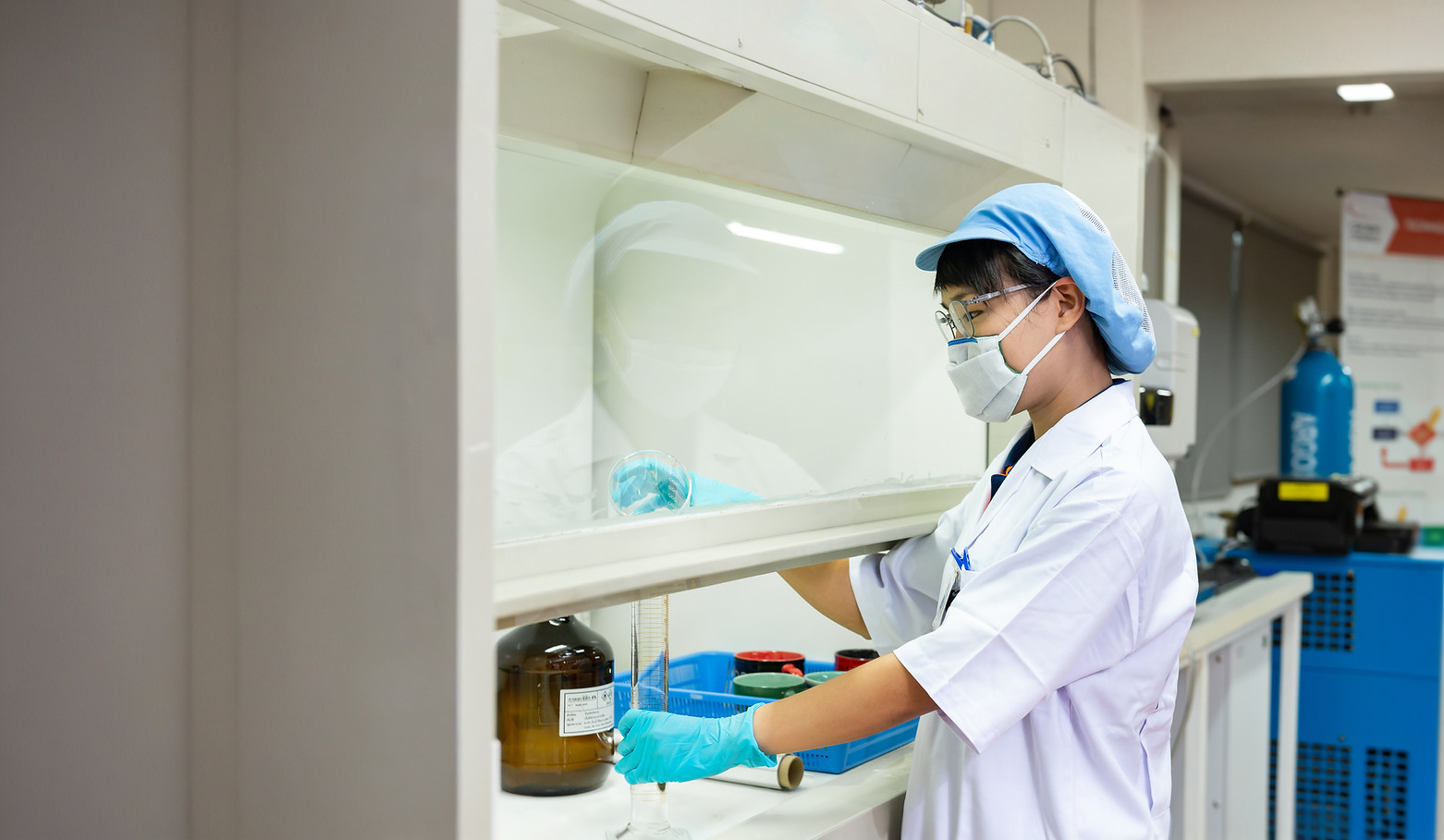
Every raw material batch undergoes systematic particle size distribution checks, dilatometric thermal expansion verification, and X-ray fluorescence analysis. Post-firing quality control involves automated laser optical scanners for surface defects, thermal shock testing cycles (ΔT 200°C to ice water), and pendulum impact strength measurements.
Our quality management systems hold international certifications: ISO 9001 for quality assurance, ISO 14001 for environmental stewardship, SMETA for ethical supply chain compliance, and AEO status for streamlined international customs clearance.