Our engineered ceramic bodies are tested for high-volume commercial durability, low water absorption (<0.5%), and thermal shock stability. Explore our top 8 featured product lines tailored for Japanese hospitality and retail procurement:








The Japanese table-top market presents one of the world's most rigorous benchmarks for ceramic quality, material hygiene, and subtle aesthetic balance. As hospitality chains in Tokyo, Kyoto, and Osaka expand alongside upscale retail department stores (such as Takashimaya and Isetan), commercial buyers face a dual imperative: maintaining ultra-high structural reliability while optimizing procurement costs against volatile macroeconomic conditions.
Historically, Japanese commercial dining relied heavily on domestic porcelain production centers in Arita, Mino, and Seto. However, scaling constraints and elevated unit production costs have reshaped procurement dynamics. Today, leading Chinese porcelain manufacturers—equipped with European automated roller kilns, high-pressure isostatic forming presses, and standardized mass-production facilities—have emerged as indispensable partners for Japanese enterprise buyers. By leveraging advanced manufacturing setups in China and Southeast Asian production hubs (including our certified plants operating under strict ISO quality systems), global procurement managers gain unprecedented cost efficiency without compromising on the strict surface tolerances required by Japanese culinary standards.
To assist Japanese buyers in specifying the correct ceramic body for distinct operational environments, our laboratory cross-analyzes three primary material classifications:
| Material Classification | Firing Temperature | Water Absorption Rate | Mechanical Durability | Optimal Application in Japan |
|---|---|---|---|---|
| Vitreous Fine China | 1,220°C – 1,260°C | < 0.5% (Impermeable) | High Impact / Edge-Chip Resistant | Luxury Hotel Banquets, High-Density Izakayas, Airlines |
| High-Fired Stoneware | 1,180°C – 1,230°C | < 3.0% | Medium-High Structural Integrity | Modern Casual Dining, Cafe Chains, Lifestyle Retail |
| Terracotta / Earthware | 1,000°C – 1,150°C | 5.0% – 10.0% | Specialized Thermal Retention | Oven-to-Table Bakeware, Artisanal Serveware, Planters |
Every kiln batch is evaluated via Atomic Absorption Spectrometry to ensure full compliance with Japan’s strict Food Sanitation Act (Ministry of Health, Labour and Welfare), eliminating heavy metal leaching risks during acidic food contact.
Our engineered ceramic bodies endure rapid thermal transitions up to 200°C. Plates can transition directly from rapid commercial freezer storage to high-temperature dishwashers or warming cabinets without crazing or thermal fracture.
Using advanced spectrophotometers, glazes and custom decals are measured numerically. This guarantees that repeat orders delivered 12 to 24 months later match original baseline color tolerances perfectly.
The operational demands of Japanese dining establishments vary significantly depending on culinary style, table turnover speed, and aesthetic philosophy. Below are the specific deployment scenarios where our OEM/ODM porcelain collections excel:
Modern Japanese fine dining increasingly incorporates Western plating techniques into traditional course structures. Our Frosted Rustic & Underglazed Reactive Collections provide an artisanal, organic tactile feel reminiscent of classic Japanese Wabi-sabi aesthetic, while delivering the structural strength of fully vitrified porcelain that withstands daily high-temperature washing.
High-volume dining establishments require maximum stackability, rapid table clearing, and minimal edge chipping. Our high-fired Vitreous China coupe plates and deep bowls feature reinforced rim profiles designed specifically to reduce operational breakage by up to 40% in fast-paced commercial kitchens across Shinjuku and Umeda.
5-Star international hotel groups operating in Tokyo, Yokohama, and Okinawa require polished sophistication. Our Gold Rim & Embroidered Floral Fine China series delivers opulent translucency and mirror-smooth glaze surfaces suitable for plated multi-course gala dinners, wedding receptions, and VIP executive lounge breakfasts.
For Japanese retail buyers curating private-label kitchenware, we offer complete ODM development. From custom speckled mugs to Scandinavian-inspired minimalist dinner sets, we provide barcode integration, eco-friendly retail packaging, and customized backstamps compliant with Japanese retail labeling mandates.
Traditional gold and platinum rimmed porcelain was prone to wear under chemical commercial dishwashers. Modern Chinese manufacturing utilizes advanced inline in-glaze and under-glaze metallic decoration techniques, rendering gold rims completely dishwasher-safe for over 1,000 industrial wash cycles.
Japanese culinary presentation favors non-reflective, satin, and micro-textured surfaces that accentuate raw ingredients (such as Sashimi or Wagyu). High-tech satin glazes eliminate knife-scratch marking while retaining a silky tactile feel.
Japanese corporate procurement departments (CSR/ESG units) actively audit foreign suppliers for environmental performance. Our facilities integrate closed-loop water filtration, heat recovery from roller kilns, and recycled clay body formulation to support your carbon reduction goals.
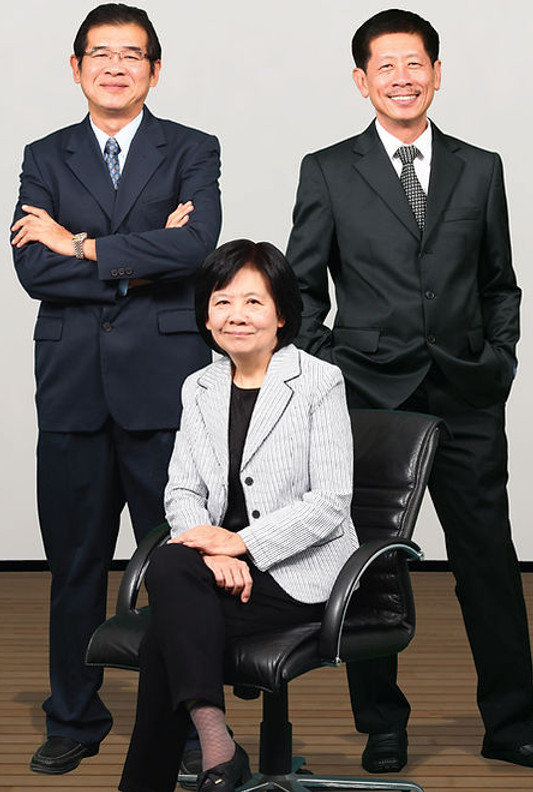
With over 30 years of specialized ceramic export experience, our organization operates two modern manufacturing hubs equipped with state-of-the-art European machinery. We maintain end-to-end oversight over raw material clay refining, automated glaze spraying, and precision kiln firing.
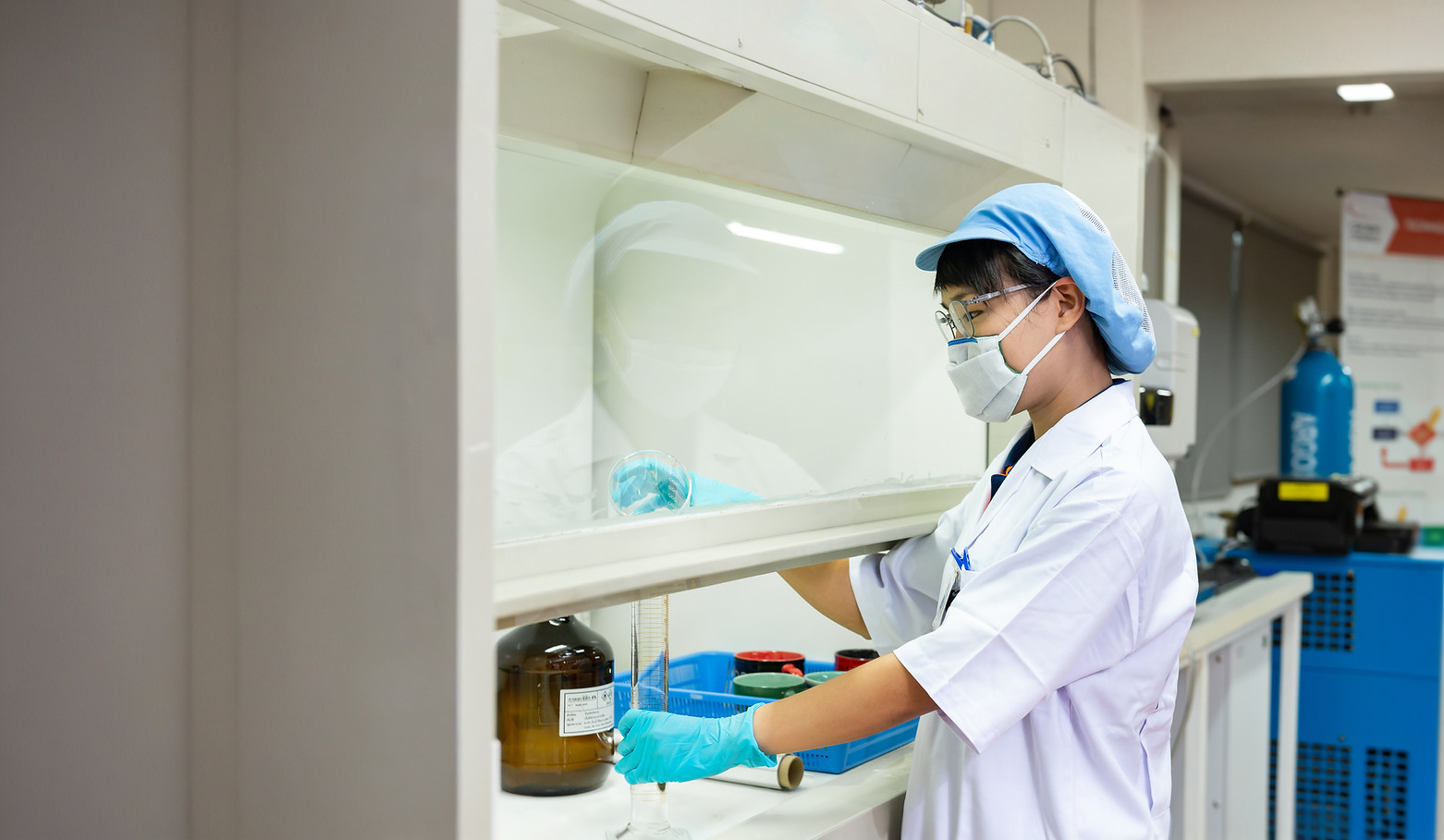
Before any container departs for Japanese ports (such as Tokyo, Yokohama, or Kobe), our dedicated QC engineering team performs rigorous standardized testing:
To eliminate compliance risks for Japanese importers, our manufacturing operations hold globally recognized third-party accreditations:
For standard stoneware and terracotta items, our baseline OEM production starts at 2,000 pieces per shape and glaze finish. For high-fired Vitreous China banquet plates, baseline MOQs start at 3,000 pieces. Mixed-container orders across multiple complementary collections can be customized to match your seasonal distribution calendar.
Yes, absolutely. All raw clay bodies and glazes are formulated to be 100% lead-free and cadmium-free. We provide formal laboratory test reports (via SGS, TUV, or Intertek) verifying compliance with the Japanese Food Sanitation Act (Ministry of Health, Labour and Welfare) prior to dispatch.
Following initial receipt of your 3D CAD files or reference samples, our R&D studio produces a 3D-printed mock-up or hand-turned plaster model within 7 to 14 days. Glaze matching and pre-production sample kilning take an additional 2 to 3 weeks. Full mass production typically completes within 45 to 60 days post-sample approval.
Yes. Our master ceramic chemists specialize in complex glaze engineering. Using automated glaze spray booths and precise shuttle kiln atmosphere control (reduction or oxidation firing), we can replicate complex, multi-tonal reactive glazes tailored to your brand's unique aesthetic specs.
We offer flexible shipping terms including FOB, CIF, and DDP directly to major Japanese ports (Tokyo, Yokohama, Nagoya, Osaka, Kobe, Hakata). Our logistics office handles full customs export documentation under AEO status for seamless import processing.
Whether you require durable Vitreous China for a new hotel development in Tokyo or a custom private-label tableware line for retail nationwide, our engineering team is ready to deliver tailored quotes, samples, and technical support.
