
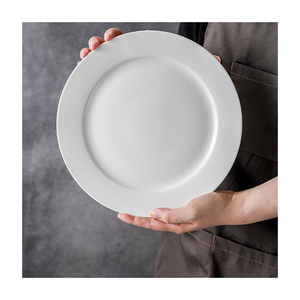
Engineered for high-frequency institutional use, luxury catering, and high-end DACH retail distributions.
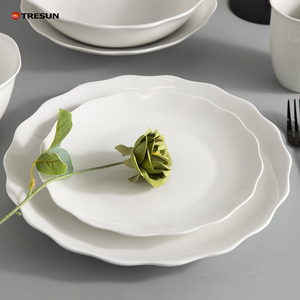
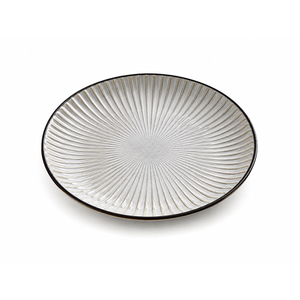
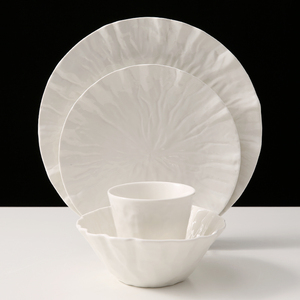
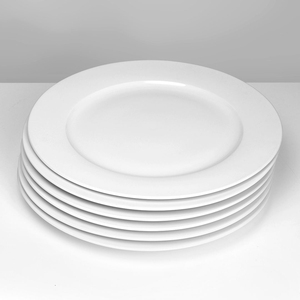
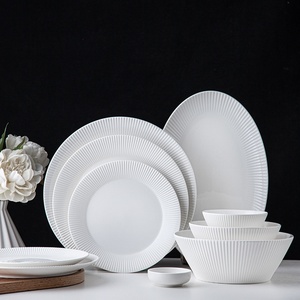
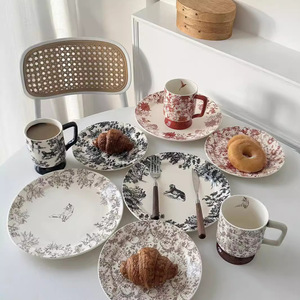
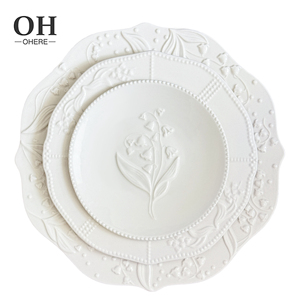
An executive report on technical standards, material science, and supply chain risk mitigation for Austrian commercial buyers.
Austria’s premium hospitality sector (HoReCa) across regions like Vienna, Tyrol, Salzburg, and Styria, combined with sophisticated DACH retail channels, demands exceptionally high performance from imported ceramic and porcelain dinnerware. Sourcing porcelain plates directly from top tier Chinese manufacturers offers Austrian B2B buyers unparalleled economies of scale, precision customization, and design flexibility.
However, navigating the specific regulatory requirements of the European Union—including strict heavy metal limits (Lead and Cadmium leachability under EU Directive 84/500/EEC) and food-contact material regulations (EC No. 1935/2004)—requires partnering with certified manufacturers who possess rigorous laboratory verification capabilities.
Leading Chinese ceramics producers have evolved beyond commodity manufacturing into advanced ODM (Original Design Manufacturing) centers. Utilizing state-of-the-art isostatic pressing technology, automated glazing lines, and high-temperature roller kilns (firing between 1,220°C and 1,260°C), suppliers can produce high-density vitreous china and bone china plates engineered specifically to withstand the brutal mechanical stress of Austrian commercial dishwashers.
By establishing direct factory relationships, Austrian procurement managers eliminate intermediary markups, gain access to proprietary glaze technologies, and lock in consistent batch-to-batch color stability for multi-year collection replenishment.
Over 30 years of precision ceramic manufacturing supporting Tier-1 global hospitality and retail brands.
In-house body formulation specializing in Vitreous China (water absorption <0.5%), High-Bone China (high translucency & mechanical strength), Stoneware (<3% absorption), and Terracotta for high-thermal shock applications.
Full enterprise accreditation including ISO 9001 (Quality Management), ISO 14001 (Environmental Management), SMETA Ethical Trade Audit, and AEO (Authorized Economic Operator) customs status for expedited shipping clearance.
Every raw batch and finished container undergoes Atomic Absorption Spectroscopy for heavy metal detection, Color-Meter Numerical Analysis for batch glaze parity, and Dilatometer Thermal Expansion testing to prevent crazing.
Compare physical properties to select the optimal body type based on commercial operational environment.
| Material Body Type | Firing Temperature | Water Absorption | Thermal Shock Resistance | Edge Chip Durability | Primary Austrian Market Application |
|---|---|---|---|---|---|
| Vitreous China | 1,220°C – 1,260°C | < 0.5% (Non-porous) | High (Up to 180°C Delta) | Maximum (Reinforced Rim) | Alpine Hotels, High-Volume Gastronomy, Catering |
| High Bone China | 1,200°C – 1,230°C | < 0.3% (Vitreous) | Moderate to High | High (High Tensile Strength) | Vienna Fine Dining, Luxury Weddings, Executive Suites |
| Commercial Stoneware | 1,180°C – 1,230°C | 1.0% – 3.0% | High | Moderate | Boutique Retail Chains, Scandinavian Style Cafes |
| Glazed Terracotta | 1,000°C – 1,100°C | 5.0% – 8.0% | Very High (Direct Oven) | Standard | Alpine Rustic Restaurants, Oven-to-Table Bakeware |
Custom tableware solutions tailored to Austria's unique cultural and geographical gastronomy landscapes.
Traditional Austrian coffeehouses and classic Gasthäuser require heavy-duty, classical white porcelain with high thermal mass to keep food warm during service. Reinforced rim flat plates and wide-rimmed soup coupes are specified to handle rapid clearing and extreme dishwasher turnarounds.
Hotel resorts in Tyrol, Vorarlberg, and Carinthia demand plates that can transition seamlessly from cold ambient storage to hot pass lamps without thermal shock cracking. Thermal expansion matching between body and glaze ensures long-term micro-crack prevention during harsh seasonal usage.
Austrian wedding planners and event caterers rely on light-weight yet chip-resistant fine bone china and intricate relief-patterned plates. Translucency, high whiteness, and custom gold/platinum rim detailing elevate grand banquets in historic venues such as Austrian châteaux and Viennese palaces.
Key market shifts driving porcelain plate specifications for Austrian B2B purchasers.
Modern Austrian gastronomy is moving away from stark, sterile white plates toward natural tones—earthy grey, sage green, matte black, and speckled reactive glazes. Chinese factories utilizing automated glaze spraying and hand-reactive dipping techniques offer high visual consistency across large volume batches.
Driven by EU sustainability directives, Austrian buyers actively favor manufacturers using reclaimed unfired clay bodies, energy-monitored heat recovery kilns, and zero-lead food-safe glazes. ISO 14001 environmental certification is increasingly becoming a prerequisite in formal tenders.
From technical drawing to door-to-door delivery in Austria (90-120 days total turnaround).
Evaluation of CAD files/samples, body selection, rim reinforcement requirements, target price points, and EU compliance parameters.
7 to 14 days rapid 3D printing and hand modeling. Production master moulds cut using precise CNC technology once dimensions are signed off.
Matching glaze color samples. Full lab testing for heavy metal leaching (FDA/EU), thermal shock, and dishwasher durability before mass firing.
High-temperature roller kiln firing, inline automated camera inspection, drop-tested master carton packing, and sea/rail logistics to Austria.
Essential guidance on importing Chinese porcelain plates directly into Austria.
Standard OEM programs start at 2,000 pieces per shape and design for Stoneware and Terracotta, and 3,000 pieces for Vitreous China and High Bone China plates. For established buyers running mixed-container shipments, MOQs can be flexibly allocated across multiple complementary dinnerware items.
Every production run undergoes in-house Atomic Absorption Spectroscopy testing. We issue a formal Declaration of Conformity (DoC) under Regulation (EC) No. 1935/2004 and Directive 84/500/EEC, verifying that lead and cadmium leachability values fall well below EU maximum thresholds.
Production typically requires 35 to 50 days post sample approval. Ocean freight from Chinese ports (such as Ningbo, Shenzhen, or Qingdao) to European entry ports like Koper (Slovenia) or Hamburg/Rotterdam, combined with rail transport to Vienna, Linz, or Graz, takes approximately 28 to 35 days. Total timeline from order confirmation to warehouse receipt is 75-90 days.
Imports of ceramic tableware originating from China into the EU are subject to specific EU anti-dumping duty rates (TARIC code 6911 10 00 for porcelain and 6912 00 23 for stoneware). Rates vary depending on the specific manufacturing enterprise, ranging from individual company rates (around 17.6% to 22.9%) to the all-other-companies rate (36.1%). Working with accredited AEO exporters ensures proper customs valuation and smooth tariff clearance.
Yes. We offer complete private label services including high-temperature underglaze backstamping, customized barcoding, FSC-certified eco-friendly inner packaging boxes, and drop-test certified master cartons designed specifically for Amazon/E-commerce fulfillment or palletized wholesale transport.
Consult with our ceramic engineering team today. Get technical datasheets, request physical production samples, or receive a customized quotation tailored to your Austrian market requirements.
Send an Inquiry