Industry Intelligence 2025–2030
Future Trends Shaping Private Label Dinnerware Procurement
As global consumer tastes evolve and supply chain dynamics shift, brand procurement managers must align their manufacturing roadmaps with emerging macro trends. Our research team has identified four pivotal shifts redefining the international ceramic dinnerware landscape over the next decade.
1. The Evolution of Tactile Aesthetics: Reactive Glazes & Micro-Textured Rims
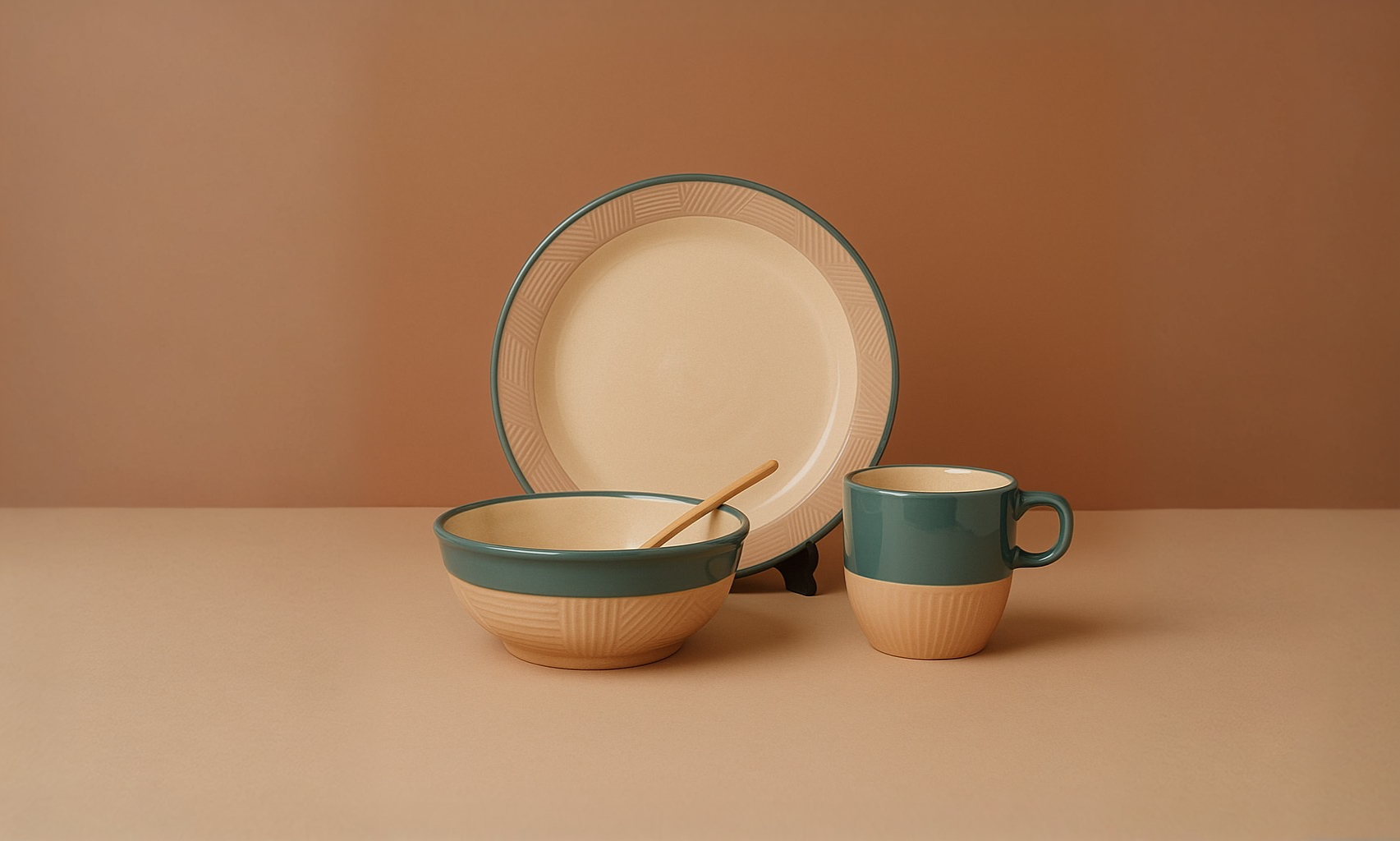
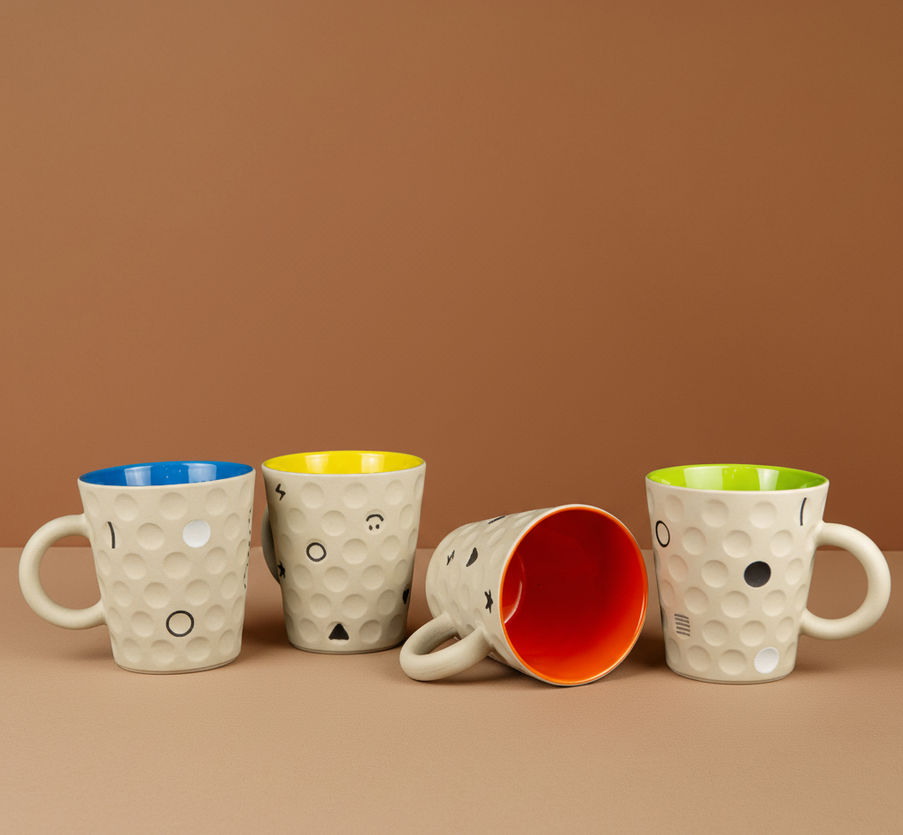
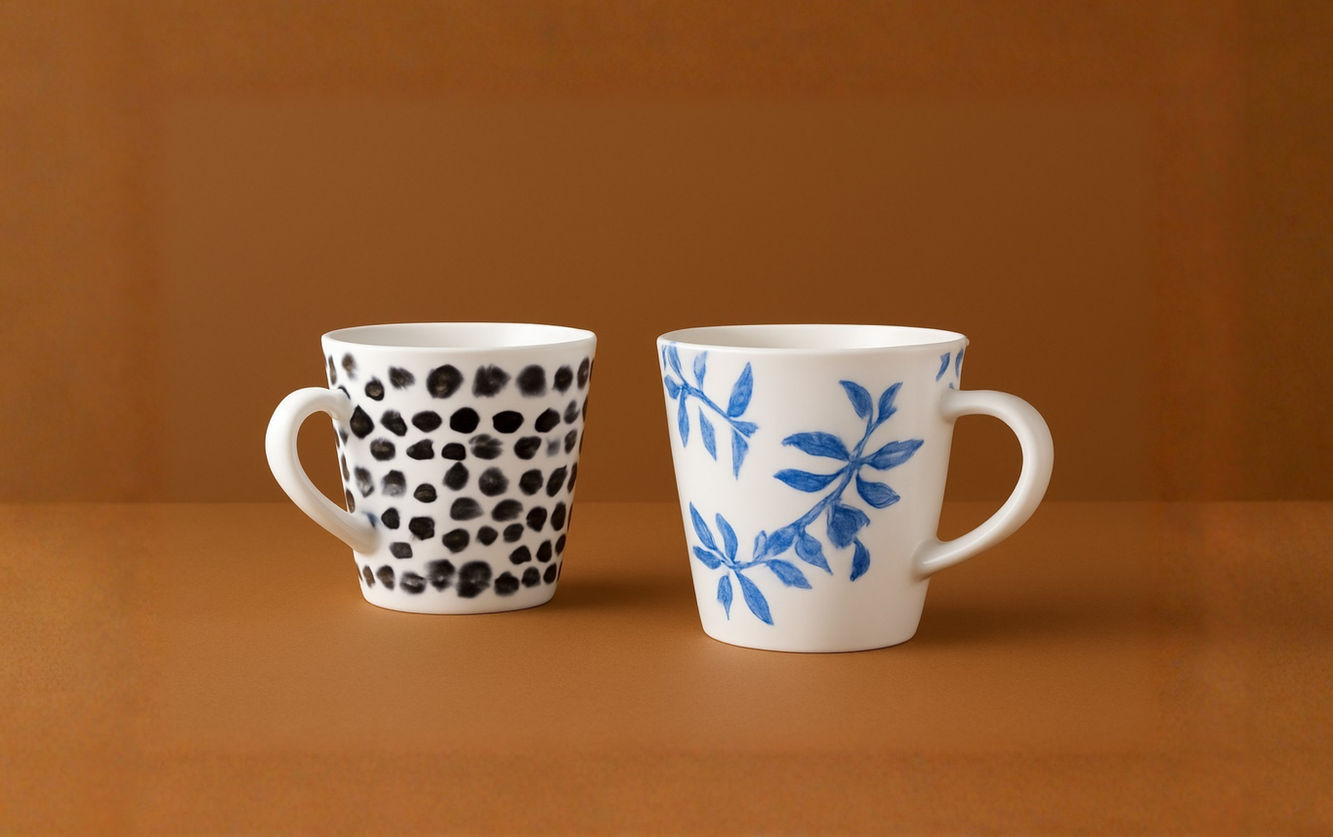
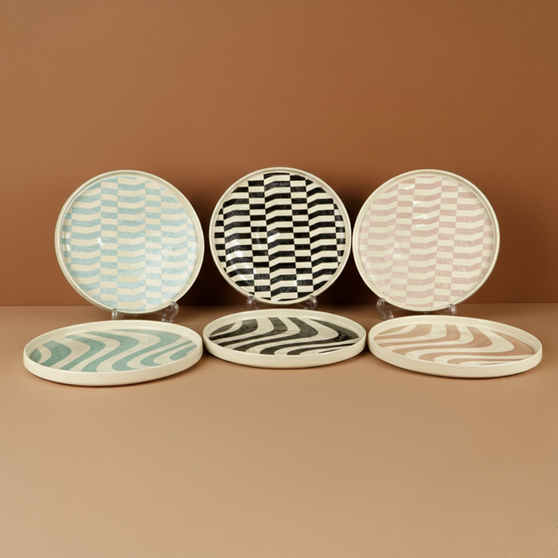
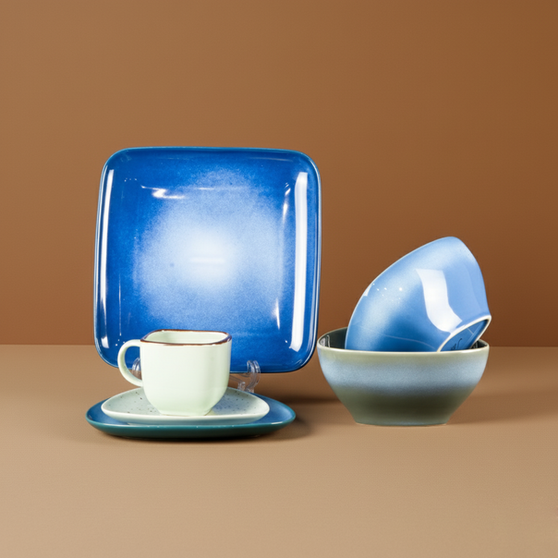
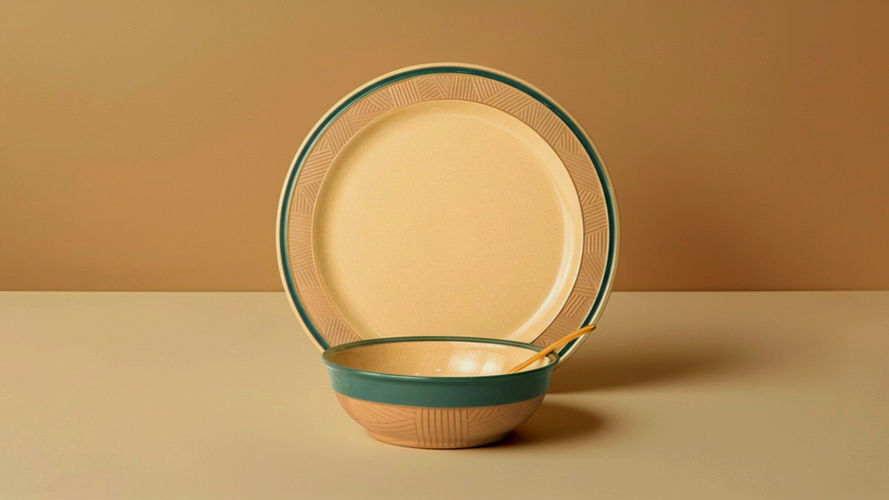
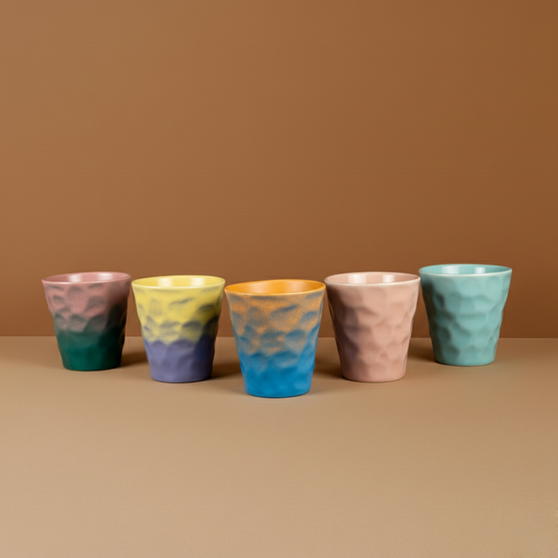
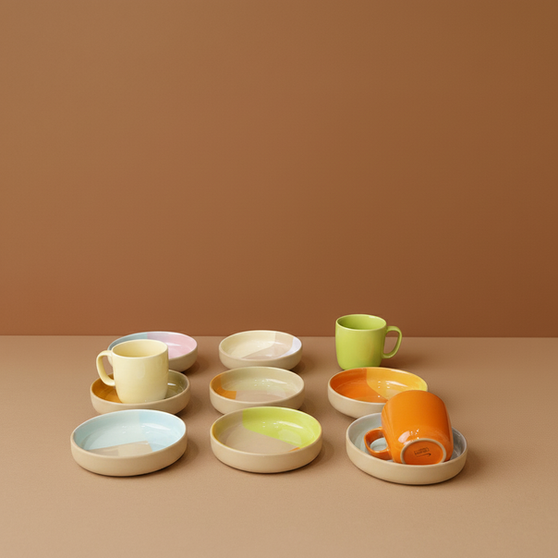
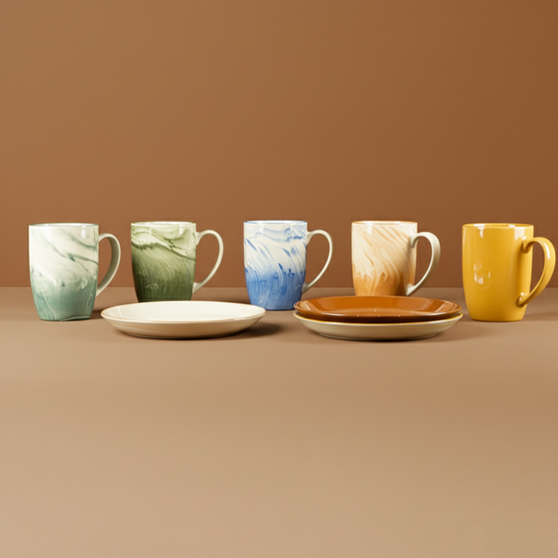
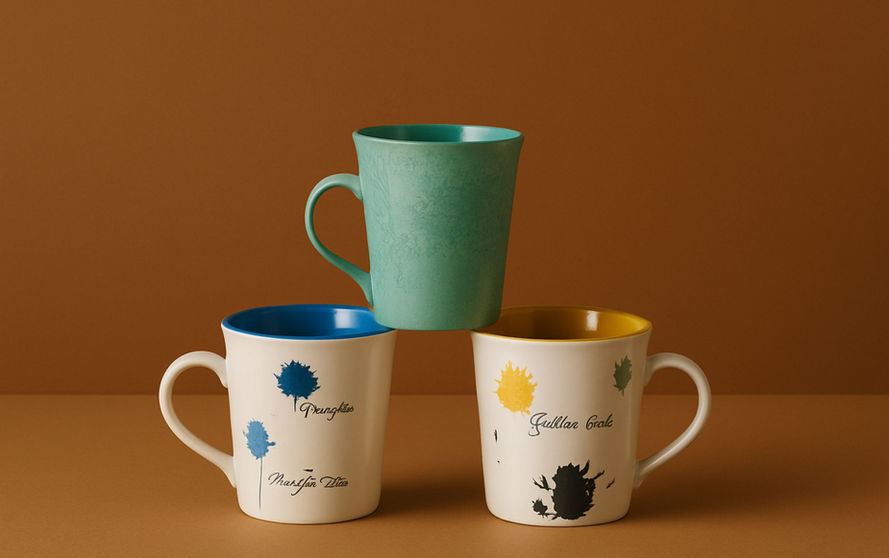
Consumers have moved away from sterile, flat, monochromatic mass-market tableware. Modern private label collections demand visual depth and tactile authenticity. Advanced reactive glaze formulations—which create controlled, unique chemical reactions inside roller kilns at 1,200°C—allow brands to deliver handmade, boutique-style aesthetics at commercial scale. Micro-textured rims, raw unglazed outer bases contrasting with high-gloss interiors, and matte-satin dual textures are capturing premium price points in retail and direct-to-consumer (D2C) channels.
2. Supply Chain De-Risking: The "China+1" Thailand Advantage
Global logistics bottlenecks, fluctuating anti-dumping duties, and geopolitical tariffs have forced corporate buyers to diversify their manufacturing footprints away from single-source reliance. Thailand has emerged as South East Asia's premier ceramic manufacturing hub, offering exceptionally high-grade local kaolin clays, skilled artisan craftspeople, and mature export infrastructure. Sourcing private label dinnerware from Thailand grants global brands competitive import tariff privileges, reduced geopolitical risk, and transparent audit pathways compliant with Western labor standards.
3. Circular Sustainability & Carbon Footprint Tracking
Modern consumers and corporate sustainability officers actively audit environmental impact before placing purchase orders. Future-focused dinnerware manufacturing demands closed-loop industrial processes. At Crown Ceramics, our operations feature continuous unfired clay slip recovery, closed-loop wastewater filtration, and automated energy recovery systems on our continuous roller kilns. Furthermore, lightweighting ceramic profiles via precision isostatic press molding reduces raw material mass without compromising edge-chip strength, lowering carbon emissions per shipped container.
4. E-Commerce Optimized Packaging & Drop-Test Resiliency
With direct-to-consumer e-commerce accounting for an ever-larger share of tableware sales, packaging design has become an extension of ceramic engineering. Conventional bulk-pack master cartons often result in high transit damage rates when broken down for individual parcel delivery. Future private label programs require factory-integrated ISTA-certified drop-test packaging, utilizing 100% recyclable molded paper pulp internal cradles that eliminate single-use plastics while guaranteeing zero-breakage parcel transit.








.jpg)