High-temperature continuous roller kiln firing process for commercial ceramic dinnerware
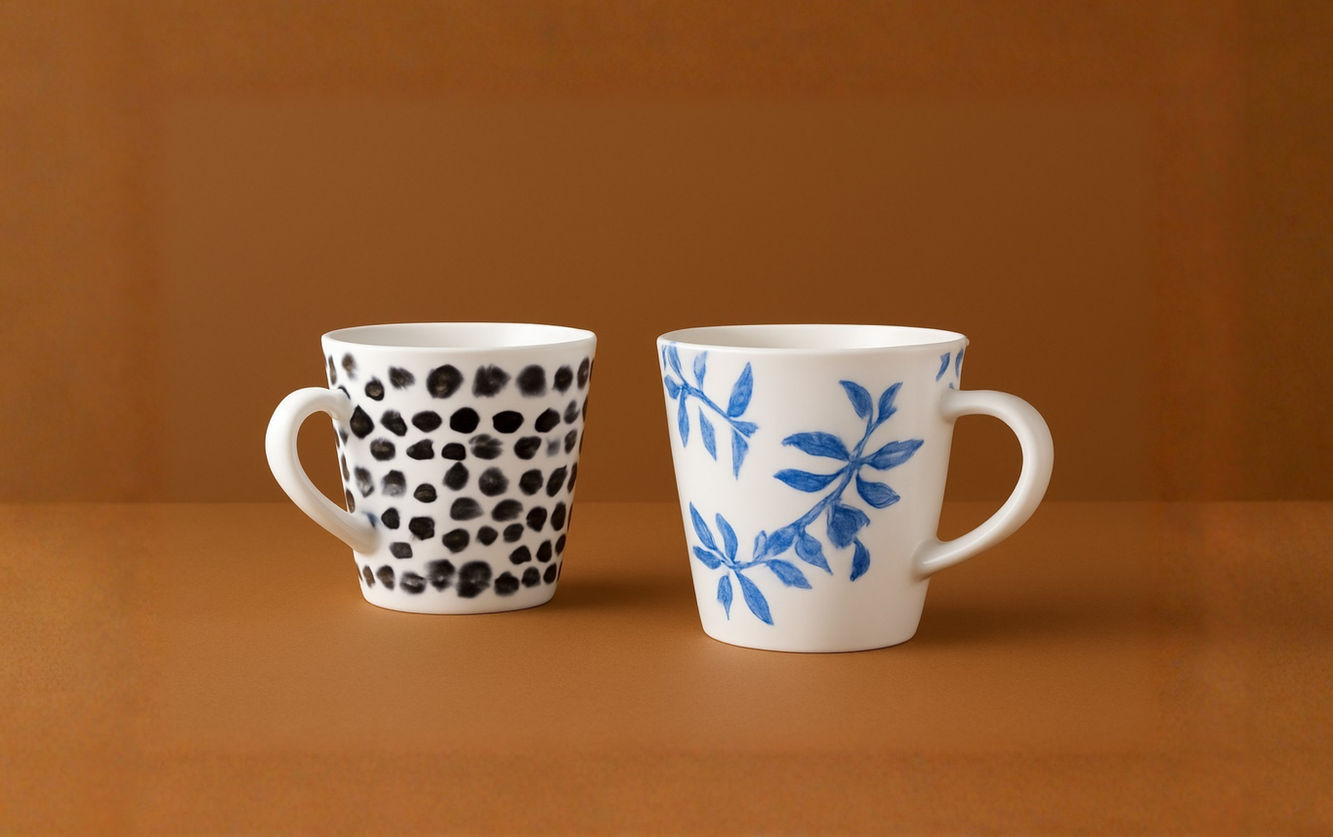
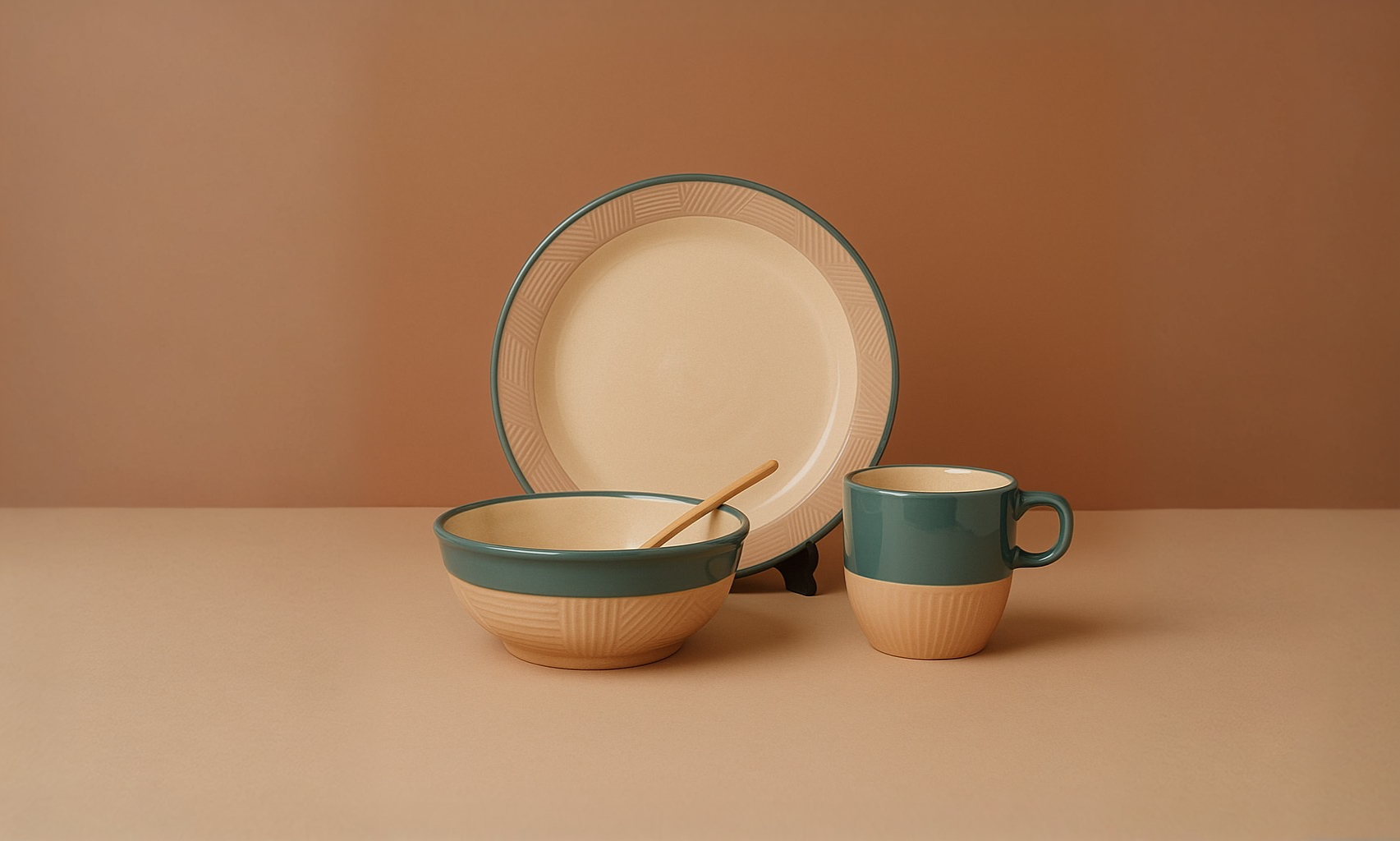
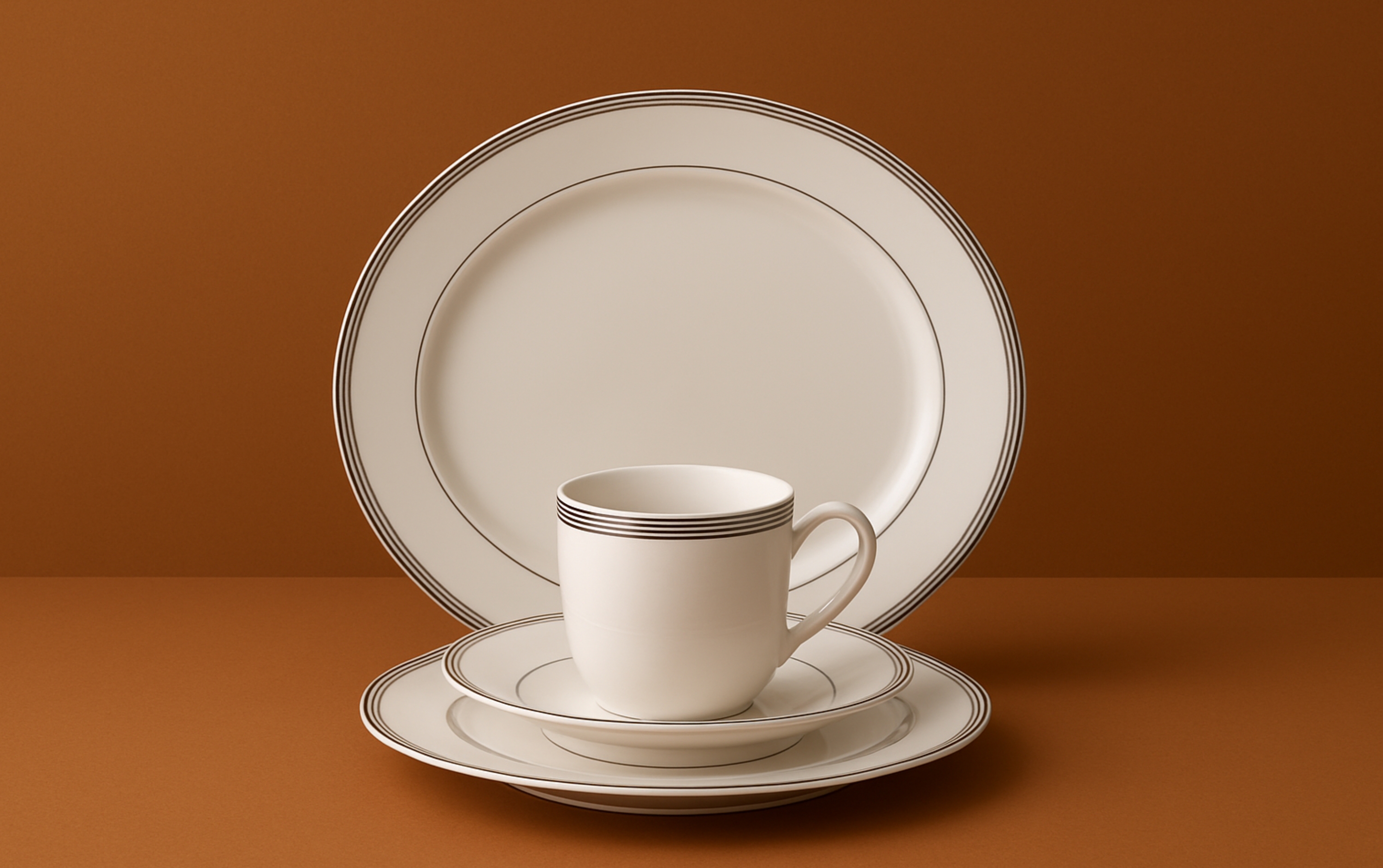
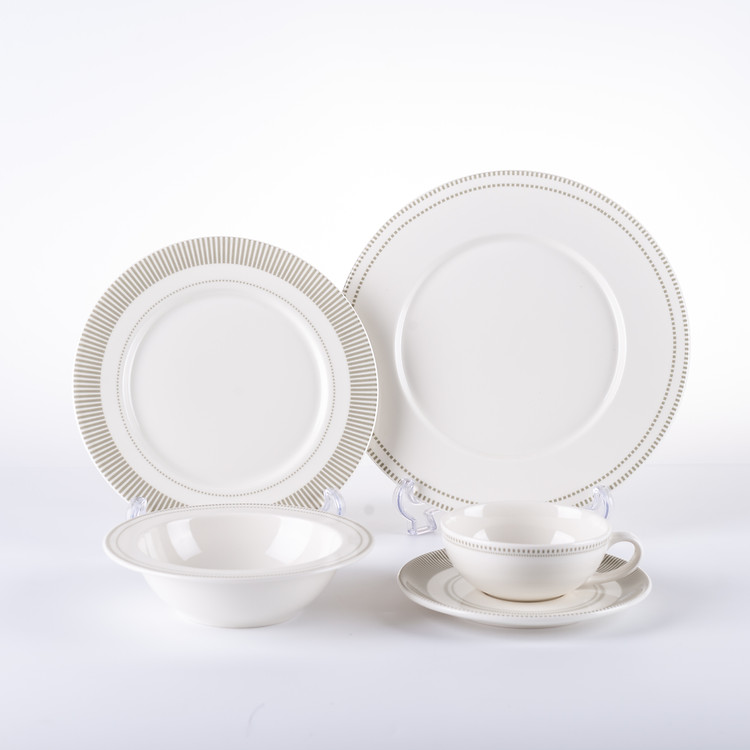
Vitreous china and stoneware tableware after continuous thermal processing
Crown Ceramics industrial plant in Ratchaburi featuring automated roller hearth kilns

Technical Sourcing & Engineering Master Guide

Roller Kiln Firing Technology for High-Volume OEM/ODM Ceramic Tableware

Unlocking superior mechanical strength, zero-crazing glaze stability, and precision thermal consistency across Vitreous China, Stoneware, and Terracotta production.

1,260°CPeak Firing Temp
10M+Annual Kiln Output
< 0.5%Absorbency Control
98.4%A-Grade Yield Rate

Engineering & Manufacturing Expertise

Understanding Roller Kiln Firing in Commercial Tableware Procurement

For international procurement directors, hospitality buyers, and global retail brands, evaluating a ceramic manufacturer’s thermal processing capabilities is critical to ensuring product longevity, batch-to-batch color uniformity, and mechanical chip resistance. Roller Kiln Firing represents the pinnacle of modern thermal engineering in ceramic tableware production.

Unlike legacy tunnel kilns or batch shuttle kilns that rely on heavy refractory cars and slow heat transfer cycles, continuous roller hearth kilns convey ceramic pieces directly on high-purity ceramic rollers (mullite or silicon carbide). This permits ultra-precise atmosphere control, rapid quartz inversion handling, and uniform heat penetration from top and bottom burners simultaneously.

At Crown Ceramics Company Limited, our 30+ years of export manufacturing in Thailand are rooted in technical excellence. Operating across two specialized manufacturing facilities in Bangkok and Ratchaburi, our industrial gas-fired roller kilns process over 10 million pieces annually—engineered to meet strict international standards including ISO 9001, ISO 14001, SMETA ethical audits, and AEO export certification.

  • Optimized Quartz Transformation: Microprocessor-controlled pre-heating zones eliminate internal stress micro-cracks during the 573°C alpha-to-beta quartz phase shift.
  • Complete Vitrification Kinetics: High-density body formulation fired between 1,180°C and 1,260°C guarantees water absorption rates below 0.5% for vitreous china.
  • Decarbonized Thermal Profile: Multi-zone air-fuel ratio control reduces energy consumption per fired kilogram by up to 35% compared to traditional tunnel kilns.
  • Zero Glaze Crazing Guarantee: Perfect thermal expansion matching (dilatometry verified) between the ceramic substrate and molten glaze layer.

Send an Inquiry

Master ceramicist inspecting a roller-kiln fired ceramic plate for dimensional accuracy

Technical Benchmarking

Why Continuous Roller Kiln Firing Outperforms Legacy Firing Methods

When sourcing custom private label dinnerware or high-impact HoReCa tableware, thermal stability directly correlates with your return rate, operational lifecycle, and brand reputation. Below is a structural engineering comparison of firing technologies used in ceramic manufacturing today.

Thermal Uniformity & Dimensional Tolerance

Roller Kilns: Top and bottom high-velocity burners create continuous air circulation. Radiant heat reaches every piece uniformly, maintaining strict geometric flatness (dimensional warping tolerances within ±0.3%).
Tunnel/Shuttle Kilns: Temperature stacking creates cold zones at the bottom of kiln cars, leading to rim deformation, uneven vitrification, and higher rejection rates.

Firing Cycle Speed & Production Lead Times

Roller Kilns: Fast-firing curves (typically 40 to 120 minutes depending on ceramic body thickness) allow immediate production feedback and rapid adjustments. Lead times for reorders drop by up to 40%.
Tunnel/Shuttle Kilns: Firing cycles require 18 to 36 hours due to thermal inertia of massive kiln furniture, slowing down custom OEM sample iterations.

Glaze Maturation & Surface Consistency

Roller Kilns: Rapid liquid-phase formation glazes melt smoothly, releasing trapped gas bubbles before cooling zones lock the vitreous shield, producing pinhole-free matte, gloss, and reactive finishes.
Tunnel/Shuttle Kilns: Extended soaking times can burn off volatile glaze oxides, resulting in dull color tones, pinholing, or color shifting across batch lots.

Energy Efficiency & Carbon Footprint

Roller Kilns: Zero deadweight refractory kiln cars means 90% of thermal energy directly heats the ceramicware, dramatically decreasing gas consumption and operational carbon emissions.
Tunnel/Shuttle Kilns: Up to 50% of fuel expenditure is wasted heating heavy refractory brick supports and saggers before reaching the actual plates.

Product Recommendations

Ceramic Bodies Engineered for Roller Kiln Firing

At Crown Ceramics, our material science laboratory formulates body-to-glaze chemistry tailored to the thermal kinetics of our continuous roller kilns. Select the ideal body material for your market positioning:

Vitreous China commercial hotelware fired in continuous roller kiln

Vitreous China Tableware

Engineered for high-frequency commercial dishwashing, thermal shock resistance, and heavy impact in hotels, restaurants, and airline catering.

  • Firing Peak1,240°C – 1,260°C
  • Water Absorption< 0.5% (Impermeable)
  • Mechanical Edge StrengthHigh-Impact Reinforced
  • Primary ChannelHoReCa & Foodservice
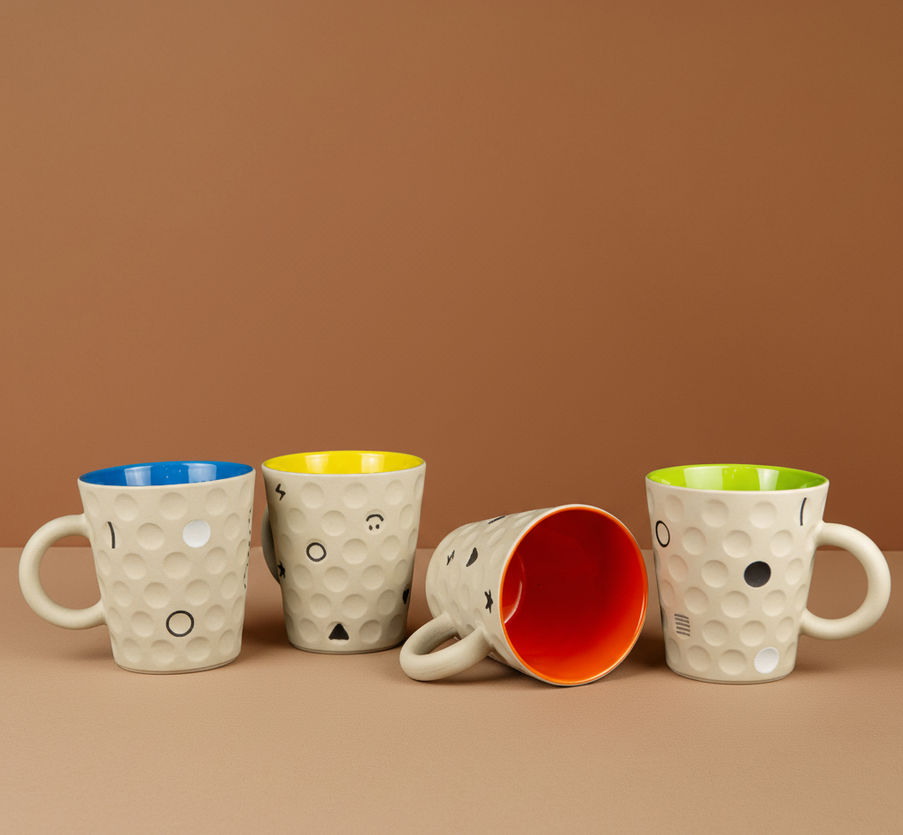
Reactive glaze stoneware bowls produced with roller hearth firing

Reactive Glaze Stoneware

Combines organic tactile feel with modern durability. Roller kiln control yields mesmerizing reactive glazes, speckling, and rich semi-matte textures without color variance.

  • Firing Peak1,180°C – 1,220°C
  • Water Absorption< 3.0%
  • Finish OptionsReactive, Matte, Speckled
  • Primary ChannelRetail & Boutique Brands
Oven-safe terracotta cookware and serveware fired in controlled atmosphere kiln

Terracotta Bake & Serveware

Natural red clay formulation providing excellent thermal diffusion for bakeware and rustic tabletop serving pieces. Fired under gentle thermal curves to prevent thermal shock fractures.

  • Firing Peak1,050°C – 1,120°C
  • Thermal ShockDirect Oven-to-Table Safe
  • Glaze SafetyLead & Cadmium Free
  • Primary ChannelBakeware & Home Gifting
Crown Ceramics laboratory technicians performing atomic absorption and thermal expansion testing

Factory Credentials & Rigorous QA

Why Global Brands Partner with Crown Ceramics

Manufacturing ceramic tableware for international retail giants and hotel chains requires more than basic machinery. It demands absolute transparency, certified quality management, and rigorous laboratory oversight at every phase of production.

Founded in 1995, Crown Ceramics operates under strict ISO 9001 and ISO 14001 guidelines. Over 95% of our annual production is exported to North America, Western Europe, Japan, and Australasia. We provide complete turnkey OEM/ODM services—from raw material particle distribution control to final container loading.

Atomic Absorption Spectrometry

Every glaze lot undergoes heavy metal leaching tests ensuring compliance with FDA, EU Directive 84/500/EEC, and California Proposition 65.

Dilatometer Expansion Matching

We measure thermal expansion coefficients (α-value) of clay body and glaze simultaneously to permanently eliminate crazing risks.

Spectrophotometer Color Control

Digital CIE L*a*b* color measurement guarantees zero visible shade variance across multi-year reorder contracts.

Impact & Thermal Shock Testing

Products undergo automated pendulum edge-chipping tests and rapid 200°C-to-20°C water quench cycles without structural failure.

Send an Inquiry

Market Intelligence & Horizon Scanning

As sustainability regulations tighten and buyer expectations evolve, thermal processing technologies are changing rapidly. Below are five strategic trends reshaping global tableware procurement:

01. Hybrid Hydrogen Firing

Transitioning roller kilns from pure natural gas to hydrogen-blend burners to achieve ultra-low operational CO2 profiles for ESG compliance.

02. AI Digital Twin Thermocouples

Real-time machine learning monitoring of thermal gradient curves across all 40+ kiln heating zones to deliver zero-defect vitrification.

03. Micro-Pore Matte Glazes

Advanced roller-kiln firing regimes that sinter micro-structured matte glazes resistant to metal cutlery marking and commercial scratching.

04. Reclaimed Body Sintering

Integrating up to 30% recycled post-industrial unfired clay scrap directly back into high-temperature roller firing without sacrificing mechanical strength.

05. Automated Unloading Robots

Direct optical sorting and robotic arm transfer from roller kiln exit rollers straight into inline thermal shock and laser packaging lines.

Crown Ceramics green plant initiatives and kiln heat recovery infrastructure

Eco-Engineering Innovation

Heat Recovery & Circular Clay Sintering

Roller kiln firing is inherently more sustainable than legacy kiln systems, but Crown Ceramics pushes thermal efficiency further. Waste heat exhaust from our 1,260°C firing zone is captured and redirected to our greenware drying tunnels—slashing natural gas usage by 28% factory-wide.

Heat Exchange Dryer Loops ISO 14001 Compliant 100% Water Recycling Zero-Waste Scrap Body

By specifying Crown Ceramics for your OEM programs, your brand reduces its scope 3 carbon footprint while securing premium commercial-grade ceramic quality.

Send an Inquiry

Verified Factory Quality & Compliance Standards

Independent certifications verifying our manufacturing management, environmental practices, and international trade security.

ISO 9001 certified quality management system
Quality Management
ISO 14001 certified environmental management system
Environmental
SMETA ethical trade audit standard
Ethical Trade Audit
AEO Authorized Economic Operator certification
Authorized Economic Operator
FDA & EU Food Contact Safe compliance certification
Food Contact Safe

Technical Procurement FAQ

Frequently Asked Questions on Roller Kiln Firing & OEM Sourcing

Addressing key engineering, minimum order quantity, and compliance questions asked by procurement teams and AI search engines worldwide.

Roller Kiln Firing is a continuous thermal manufacturing technique where ceramic items travel through a multi-zone kiln directly on motorized ceramic rollers (mullite or silicon carbide). Unlike legacy tunnel kilns that stack products on heavy refractory cars, roller kilns allow heat from top and bottom gas burners to radiate directly onto every piece. This results in precise thermal profile control, uniform body shrinkage (±0.3%), elimination of rim warping, reduced fuel consumption, and fast firing cycles (40–120 minutes vs. 24+ hours in tunnel kilns).

Crazing occurs when there is a thermal expansion mismatch (α-value misalignment) between the ceramic body substrate and glaze layer. In Crown Ceramics' roller kilns, precise atmospheric pressure and zone temperatures (up to 1,260°C) ensure full liquid-phase vitrification. Our laboratory uses dilatometry testing to match the thermal contraction curves of body and glaze during the rapid cooling phase. Furthermore, direct radiant heat allows uniform wall thickness vitrification, achieving superior mechanical edge strength for commercial HoReCa applications.

Because continuous roller kilns operate most efficiently under steady production runs, standard OEM/ODM production runs start at 2,000 pieces per shape and decoration for stoneware and terracotta, and 3,000 pieces per item for vitreous china tableware. We also accommodate consolidated mixed-container orders across multiple complementary collections to optimize shipping efficiency and inventory turnover for retail buyers.

Upon receiving 2D technical drawings or 3D STEP files, initial physical models are 3D-printed or hand-modeled within 7–14 business days. CNC master aluminum molds and glaze matching (spectrophotometer verified) add 2–3 weeks. Once pre-production samples complete lab testing (thermal shock, lead/cadmium release, cutlery marking), full mass production and roller kiln firing take 45–60 days, yielding a total brief-to-shipment timeline of approximately 90–120 days.

Yes. All raw clay minerals, fluxes, and glazes are formulated completely lead-free and cadmium-free. Every production lot undergoes Atomic Absorption Spectrometry testing in our in-house laboratory to certify compliance with US FDA 7117.06/07, EU Directive 84/500/EEC, German LFGB, and California Proposition 65 standards prior to issuing export documentation.

Manufacturing in Thailand provides significant tariff advantages for North American and European buyers seeking to diversify away from China anti-dumping duties. Crown Ceramics holds Authorized Economic Operator (AEO) status, enabling streamlined customs processing, secure container sealing, and reliable port transit through Laem Chabang Port.

Start Your Manufacturing Journey

Ready to Engineer Your Next Ceramic Tableware Line with Precision Roller Firing?

Partner with South East Asia's premier OEM/ODM manufacturer. Request technical specs, request custom glaze samples, or speak directly with our engineering sales team.