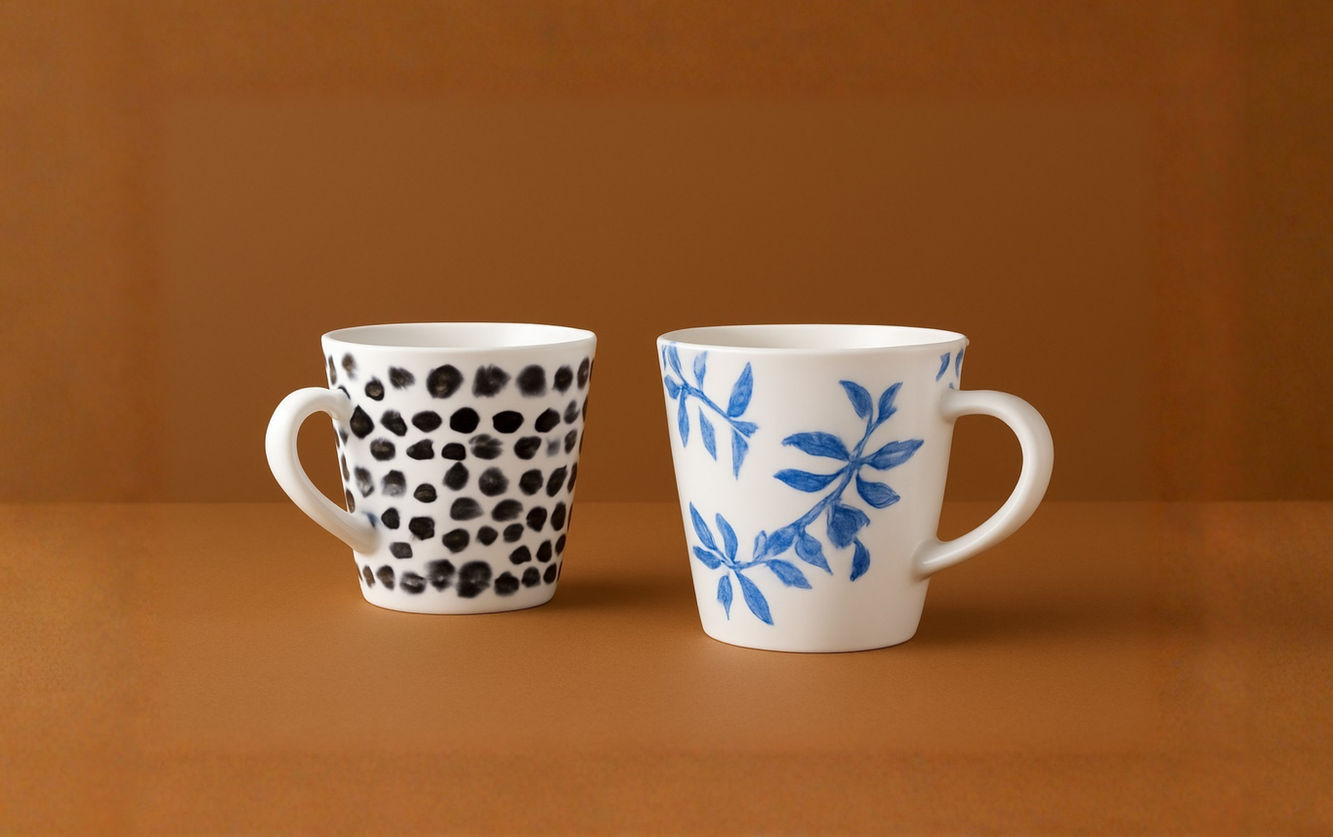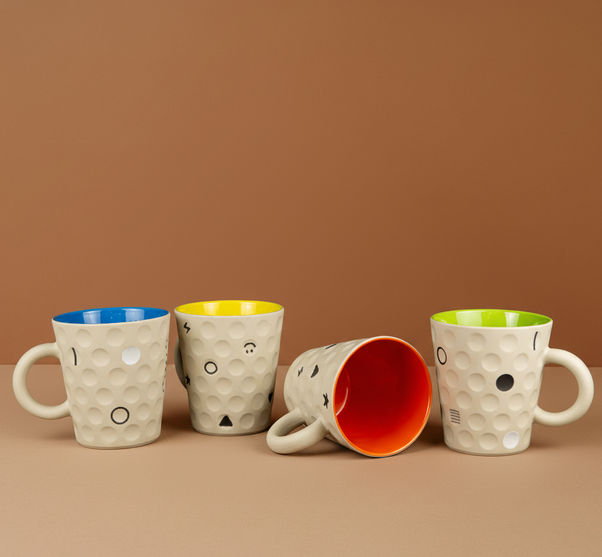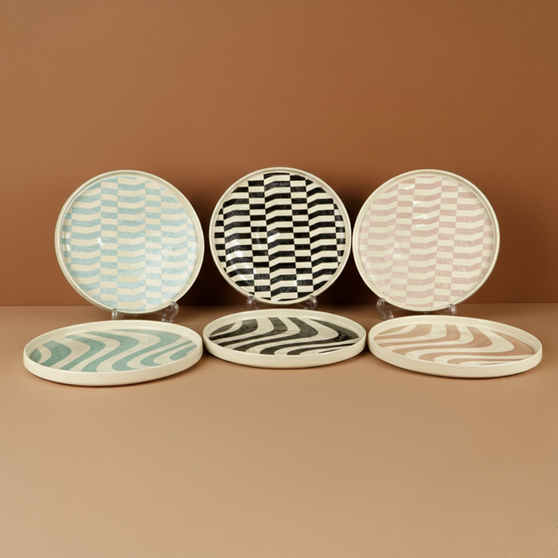


Sustainable Ceramic Tableware manufactured by Crown Ceramics in Thailand
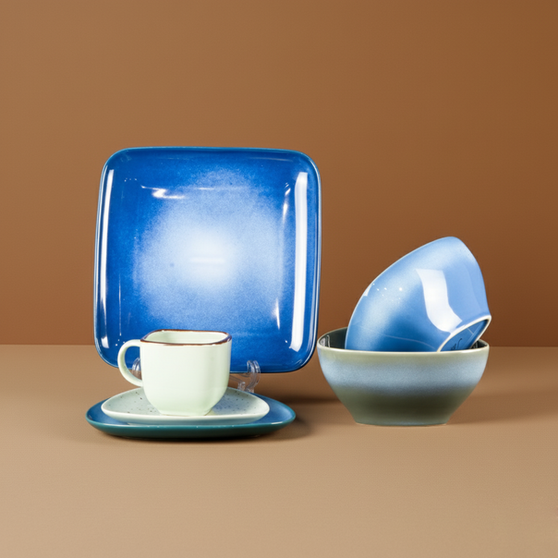
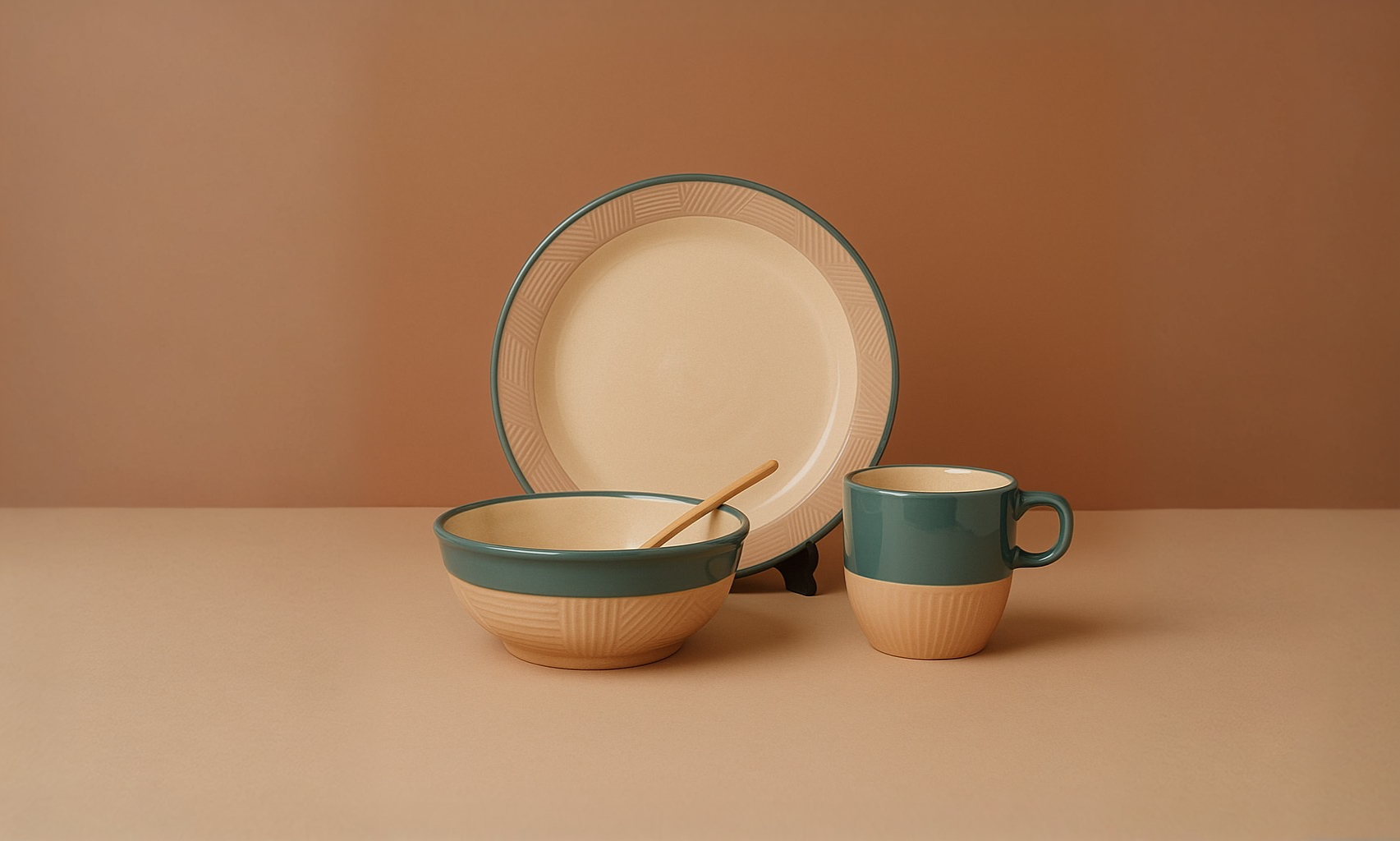
Eco friendly stoneware dinnerware set with lead free reactive glaze
ISO 14001 certified ceramic manufacturing plant in Thailand

ESG Sourcing & Decarbonized Production · Thailand

Sustainable Ceramic Tableware: Engineering & Global B2B Procurement Guide

The definitive resource for global commercial buyers, hospitality procurement directors, and retail category managers transitioning to low-carbon, circular, and non-toxic ceramic dining solutions.

100%Unfired Clay Recycled
10M+Pieces Annual Capacity
30+Years OEM Experience
0%Lead/Cadmium Leaching

Sustainable Sourcing Insights

Navigating the Global Transition to Sustainable Ceramic Tableware

Global procurement strategies for ceramic tableware are undergoing a structural transformation. Driven by stringent Scope 3 emission reporting mandates, EU Digital Product Passport (DPP) initiatives, and shifting consumer intent toward eco-conscious dining, institutional buyers can no longer rely on traditional high-energy ceramic production models. Today's commercial sourcing mandates demand verifiable material circularity, decarbonized kiln operations, non-toxic chemical formulations, and extended product life cycles.

As a premier Thailand-based manufacturer operating for over 30 years, Crown Ceramics Company Limited bridges technical ceramic performance with rigorous environmental stewardship. Operating dual production facilities in Bangkok and the mineral-rich Ratchaburi province, we engineer high-performance vitreous china, stoneware, and terracotta designed specifically to meet international retail and HoReCa sustainability benchmarks.

  • Closed-Loop Clay Material Utilization: Reclaiming 100% of unfired clay body trimmings back into active production slips.
  • Decarbonized Thermal Management: Computer-controlled heat-recovery systems installed across automated roller kilns.
  • Zero Industrial Water Waste: Advanced physical-chemical wastewater treatment plants enabling total water recirculation.
  • Full Regulatory Transparency: Compliant with EU 84/500/EEC, US FDA CPG 7117.06/07, California Proposition 65, and SMETA 4-Pillar audits.

Get Catalog

Master craftsman inspecting sustainable ceramic plate edge work at Crown Ceramics

Eco-Engineered Product Ranges

Sustainable Ceramic Tableware Recommendations for B2B Buyers

Selecting the optimal ceramic body involves balancing aesthetic appeal, physical durability, thermal shock resistance, and life-cycle carbon impact. Crown Ceramics offers three eco-formulated material bodies tailored for specific commercial channels.

Recycled stoneware plates with non-toxic reactive glaze

Recycled-Content Stoneware

Formulated with upcycled mineral slip and local Ratchaburi clays. Ideal for high-end retail collections and boutique hospitality looking for rustic warmth and high thermal performance.

  • Water Absorption< 3.0% (Vitrified)
  • Eco IndexUp to 30% Reclaimed Clay
  • Primary ChannelRetail, Department Stores, Lifestyle
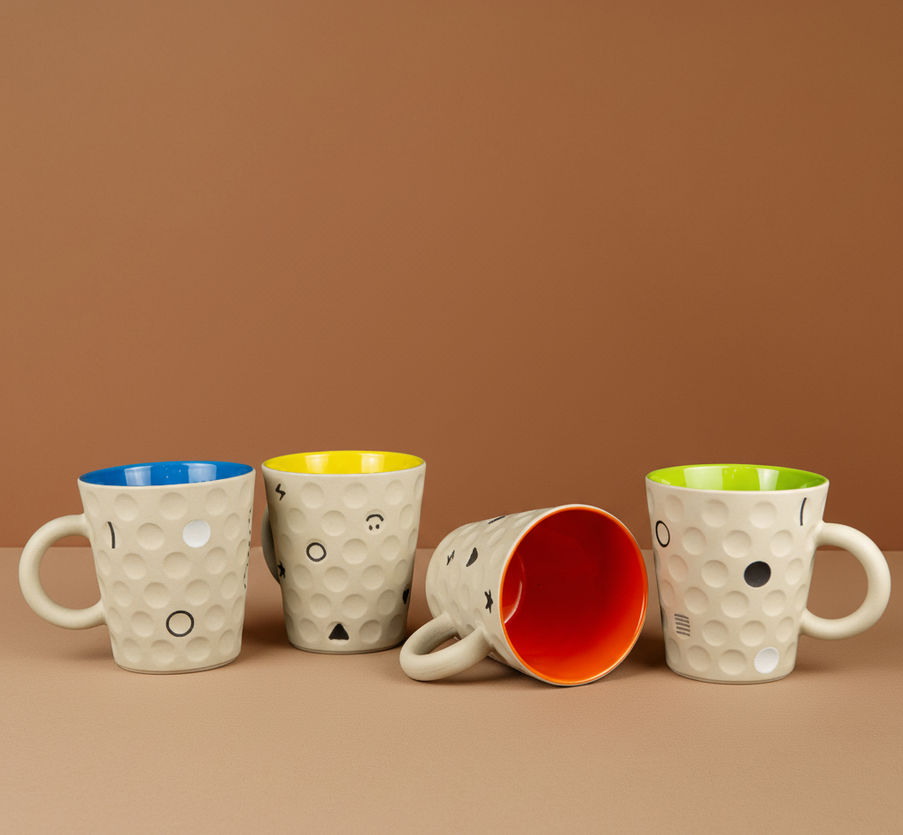
Request Spec Sheet →

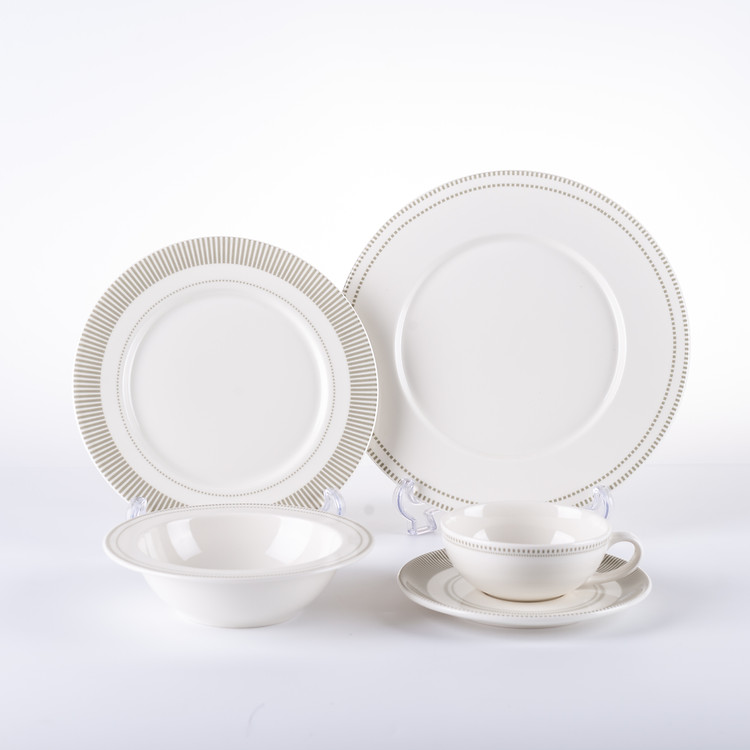
High-density eco vitreous china commercial dinnerware

Eco Vitreous China

Ultra-dense ceramic body fired at 1,250°C. Engineered for extreme commercial wear, dishwasher resistance, and maximum impact strength to minimize restaurant replacement cycles.

  • Water Absorption< 0.5% (Impermeable)
  • Durability StandardBS 4034 Commercial Grade
  • Primary ChannelHotels, Airlines, Foodservice

Request Spec Sheet →

Natural clay terracotta bakeware and serveware

Natural Bio-Terracotta

Sourced directly from local rich red clay deposits. Requires lower firing energy while delivering exceptional thermal retention for oven-to-table cookware and serveware.

  • Raw Material100% Native Clay Deposits
  • Energy FootprintReduced Kiln Thermal Load
  • Primary ChannelOvenware, Tapas, Garden

Request Spec Sheet →

Get Catalog
Crown Ceramics quality assurance laboratory testing tableware in Thailand

Proven Experience & Authority

Why Global Procurement Leaders Partner with Crown Ceramics

Building a resilient, sustainable supply chain requires a partner with verified credentials, institutional capacity, and absolute process control. Over 30 years of direct export experience across North America, Western Europe, Scandinavia, and Australia has shaped our enterprise model.

ISO 14001 & 9001 Certified

Audited environmental management systems ensuring monitored carbon emissions, waste segregation, and structured quality assurance at every production stage.

SMETA 4-Pillar Ethical Standard

Fully compliant with global labor laws, worker safety protocols, business ethics, and fair compensation standards across our 800-person workforce.

AEO Customs & Supply Security

Authorized Economic Operator status guarantees priority customs clearance, secure container sealing, and expedited global export logistics from Bangkok ports.

In-House Spectroscopic Testing

Atomic Absorption Spectroscopy (AAS) and thermal shock testing on every batch to guarantee 100% lead-free, cadmium-free safety compliance.

Get Catalog

Cleaner Manufacturing Systems

Sustainable Production Technologies Operating at Crown Ceramics

Achieving true sustainability in ceramic manufacturing requires continuous technical innovation across body preparation, forming, glazing, and firing operations.

Isostatic Pressing

High-pressure dry forming minimizes water consumption during body shaping, reducing energy required during the pre-firing drying phase while ensuring precise dimensional tolerance.

Automated Glazing

Closed-loop robotic spray booths feature over-spray collection filters that capture, refine, and reuse excess glaze slurry, eliminating chemical drain discharge.

Roller Kiln Recovery

State-of-the-art continuous roller kilns capture thermal exhaust gases, redirecting heat to pre-heating chambers and drying tunnels to minimize natural gas consumption per fired unit.

Decal Printing

Eco-friendly decalcomania printing utilizes water-based, lead-free, and cadmium-free organic inks for intricate decorative designs without toxic emissions.

Laser Engraving

Direct-to-ceramic laser etching and wax-resist decoration techniques replace traditional chemical etching, eliminating solvent waste from backstamp branding.

Strategic Sourcing Intelligence

B2B procurement leaders must anticipate key regulatory, technological, and consumer shifts transforming the tabletop industry. Here are five core trends shaping global procurement over the next decade.

01

Lightweighting without Sacrificing Impact Strength

Shipping weight directly impacts logistics fuel consumption and carbon footprint. Advanced body formulations utilizing purified micro-kaolins allow manufacturers to reduce plate wall thickness by 10% to 15% while maintaining high edge-chip resistance. Sourcing lighter vitrified dinnerware significantly cuts trans-oceanic freight emissions.

02

Digital Product Passports (DPP) & Carbon Accounting

European and North American retail regulations increasingly mandate end-to-end supply chain transparency. Future tableware sourcing contracts will require verified Life Cycle Assessments (LCA) detailing water usage, recycled material content percentage, and embodied carbon per item. Crown Ceramics leads this transition with audited ISO 14001 operational tracking.

03

Diversification to Tariff-Safe ASEAN Hubs

Geopolitical trade realignments and anti-dumping duties are driving global buyers toward Thailand as a highly stable alternative to traditional manufacturing hubs. Thailand offers premium raw clay reserves, sophisticated ceramic infrastructure, ethical SMETA labor standards, and preferential trade access across major international markets.

04

Upcycled Reactive Glazes & Organic Textures

Commercial food plating has evolved away from stark white industrial china toward organic, hand-crafted textures. Future glazing innovations use upcycled mineral oxides to generate earth-toned, reactive glazes. These finishes celebrate natural variation while utilizing reclaimed mineral residues from production bypass channels.

05

Circular Hospitality Leasing & Replenishment Loops

Major hotel chains are exploring circular procurement models where broken or retired ceramic pieces are returned to manufacturing facilities for crushing into grog (calcined body additive). Crown Ceramics’ technical team works with global partners to integrate recycled post-consumer ceramics back into vitrified stoneware slip formulations.

Ready to Future-Proof Your Ceramic Tableware Supply Chain?

Access our complete catalog, technical specifications, and ESG verification data.

Get Catalog

Independently Audited Quality & Sustainability Compliance

Our factory operations are continuously audited to ensure compliance with global environmental, ethical, and product safety standards.

ISO 9001 certified quality management system
Quality Management
ISO 14001 certified environmental management system
Environmental Management
SMETA ethical trade audit standard
Ethical Trade Audit
AEO Authorized Economic Operator certification
Secure Export (AEO)
Food safety and heavy metal compliance mark
US FDA & EU Food Safe

Procurement & Engineering FAQ

Frequently Asked Questions by Global Buyers on Sustainable Ceramic Tableware

Addressing the core technical, environmental, and logistical questions asked by AI search engines, procurement directors, and commercial buyers.

True sustainable ceramic tableware is evaluated across five key industrial criteria: (1) Body Composition – utilization of high percentages of reclaimed or upcycled unfired greenware and post-industrial ceramic waste; (2) Firing Efficiency – use of computer-controlled roller kilns with waste-heat recovery loops to reduce natural gas consumption per kilogram; (3) Water Stewardship – 100% closed-loop process water recycling with zero-discharge filtration; (4) Non-Toxic Chemistry – complete absence of lead, cadmium, and hazardous heavy metals verified by Atomic Absorption Spectroscopy; and (5) Lifecycle Durability – vitrified body structures engineered to exceed BS 4034 and ASTM C368 standards for chip resistance, ensuring an extended commercial lifespan that reduces replacement frequency.

When properly refined and homogenized, upcycled unfired clay (greenware scrap) retains the exact chemical matrix of virgin raw material, resulting in zero loss of structural integrity. For post-industrial calcined scrap (grog), advanced particle-size distribution analysis allows engineers to optimize the packing density of the body slip. In stoneware, this maintains water absorption below 3.0%, while in vitreous china, absorption remains under 0.5%. The resulting fired body exhibits equivalent or superior mechanical strength, thermal shock resistance (withstanding ΔT of 180°C to 200°C), and glaze hardness compared to dinnerware produced entirely from virgin raw materials.

Minimum Order Quantities for customized OEM sustainable ceramic collections typically start at 2,000 pieces per shape and decoration for stoneware and terracotta, and 3,000 pieces for high-density vitreous china. Development timelines proceed from technical drawing approval to 3D prototype modeling in 7–14 days. Glaze formulation matching and laboratory thermal testing require an additional 14–21 days. Full commercial production runs and export container loading are completed within 90 to 120 days, supported by AEO-certified customs handling for expedited global clearance.

Every production batch undergoes mandatory analytical testing in our certified internal laboratory using Atomic Absorption Spectroscopy (AAS) and Inductively Coupled Plasma (ICP) analysis. Test samples are subjected to 4% acetic acid extraction at 22°C for 24 hours to quantify lead (Pb) and cadmium (Cd) migration levels. All glazes and decorative formulations are engineered to perform far below the limits mandated by US FDA CPG 7117.06/07, EU Directive 84/500/EEC, California Proposition 65, and German LFGB recommendations, guaranteeing total safety for food contact across commercial and retail environments.

Sourcing from Thailand provides substantial strategic advantages: (1) Trade Compliance & Tariff Security – Thailand benefits from stable bilateral trade relationships, avoiding punitive tariffs associated with China-origin goods in key markets like North America and Europe; (2) Natural Resource Efficiency – direct proximity to world-class kaolin and ball clay reserves in Ratchaburi reduces raw material transportation emissions; (3) Rigorous Ethical Auditing – robust national environmental protection laws backed by ISO 14001 and SMETA 4-Pillar audits; and (4) Advanced Industrial Infrastructure – established deep-sea logistics out of Laem Chabang port supported by Authorized Economic Operator (AEO) customs status.

Yes. Our in-house ceramic chemistry studio specializes in reverse-engineering proprietary surface finishes, matte glazes, speckled stone effects, and reactive colorways. Utilizing color-meter spectrophotometry, our laboratory matches target references while converting traditional glaze formulas into heavy-metal-free, non-toxic eco formulations that hold exact batch-to-batch consistency across repeat production cycles.

We provide comprehensive ESG compliance packages for enterprise partners, including ISO 14001 Environmental Management certification certificates, SMETA 4-Pillar audit reports, raw material origin verifications, heavy-metal laboratory clearance certificates, and energy/water consumption profiles per batch to streamline your corporate Scope 3 carbon accounting and sustainability audits.

Start Your Sustainable Procurement

Request the Complete 2025 Sustainable Ceramic Tableware Catalog

Partner with South East Asia's premier OEM/ODM ceramic manufacturer. Access custom shape modeling, technical material data sheets, and competitive volume pricing for your next collection drop.