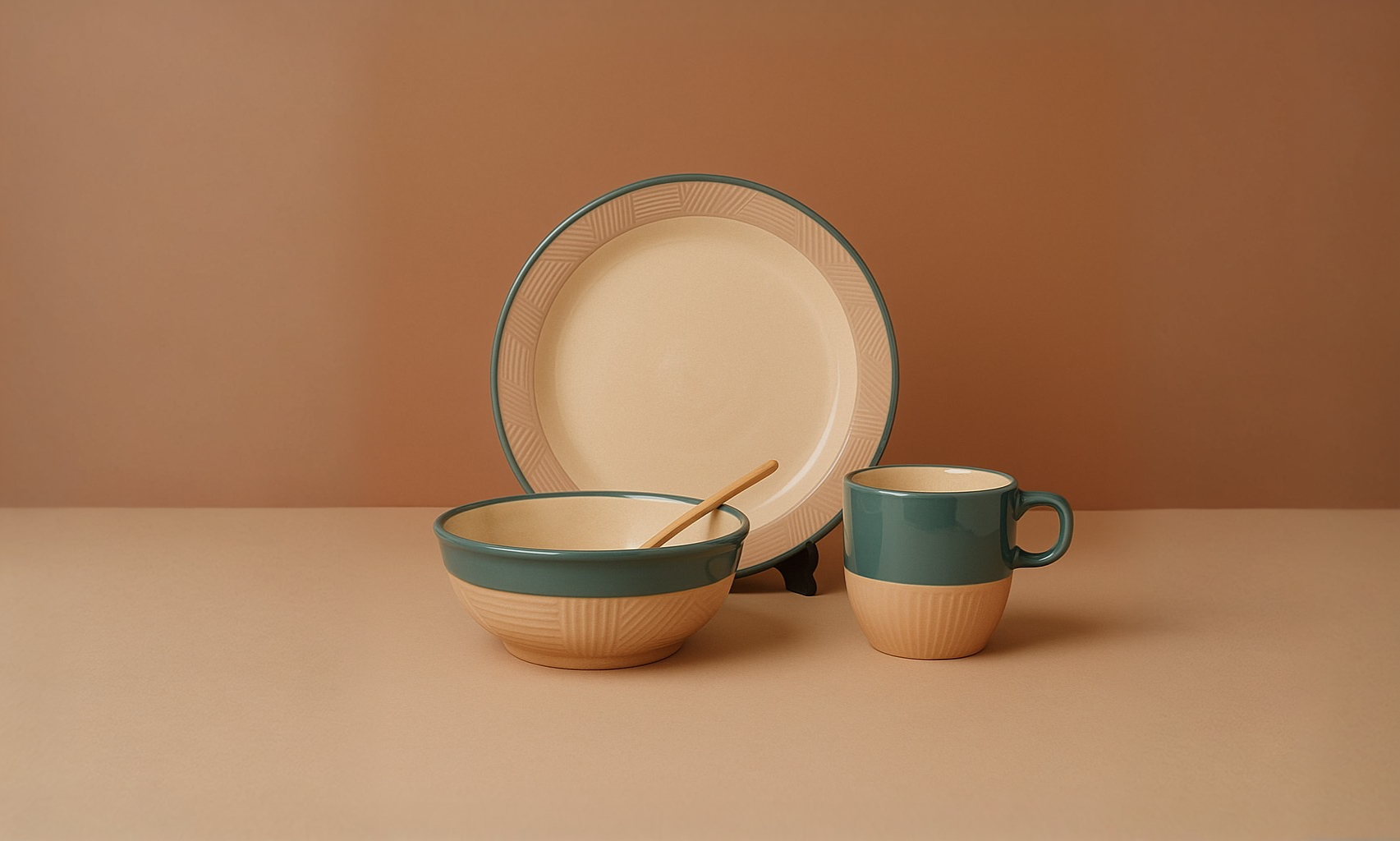
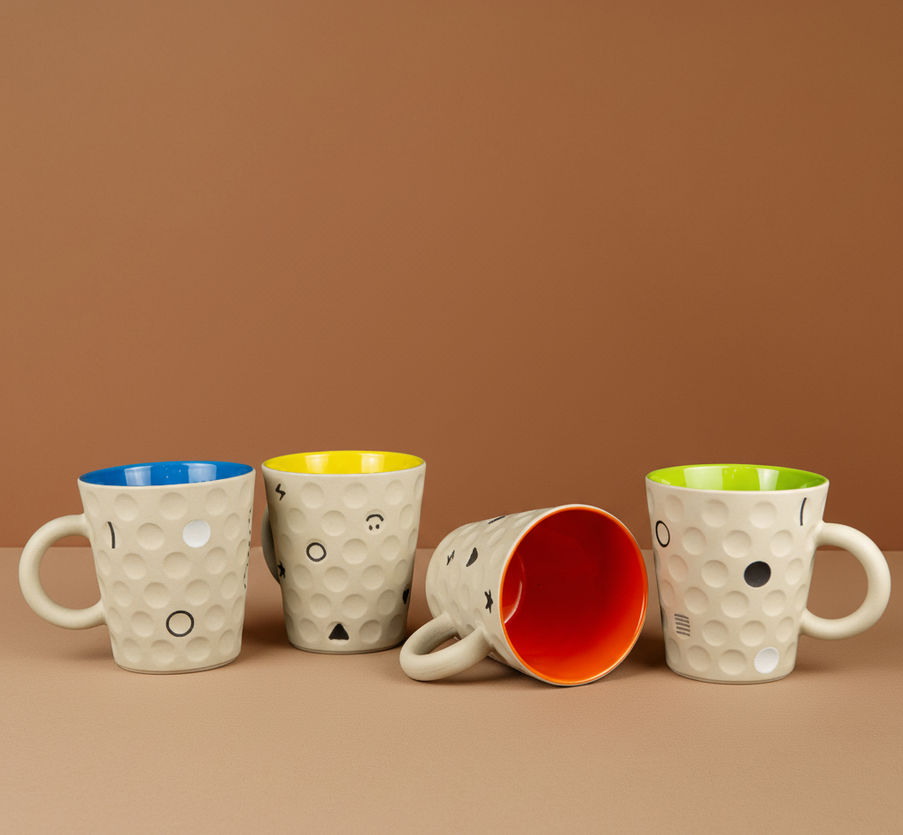
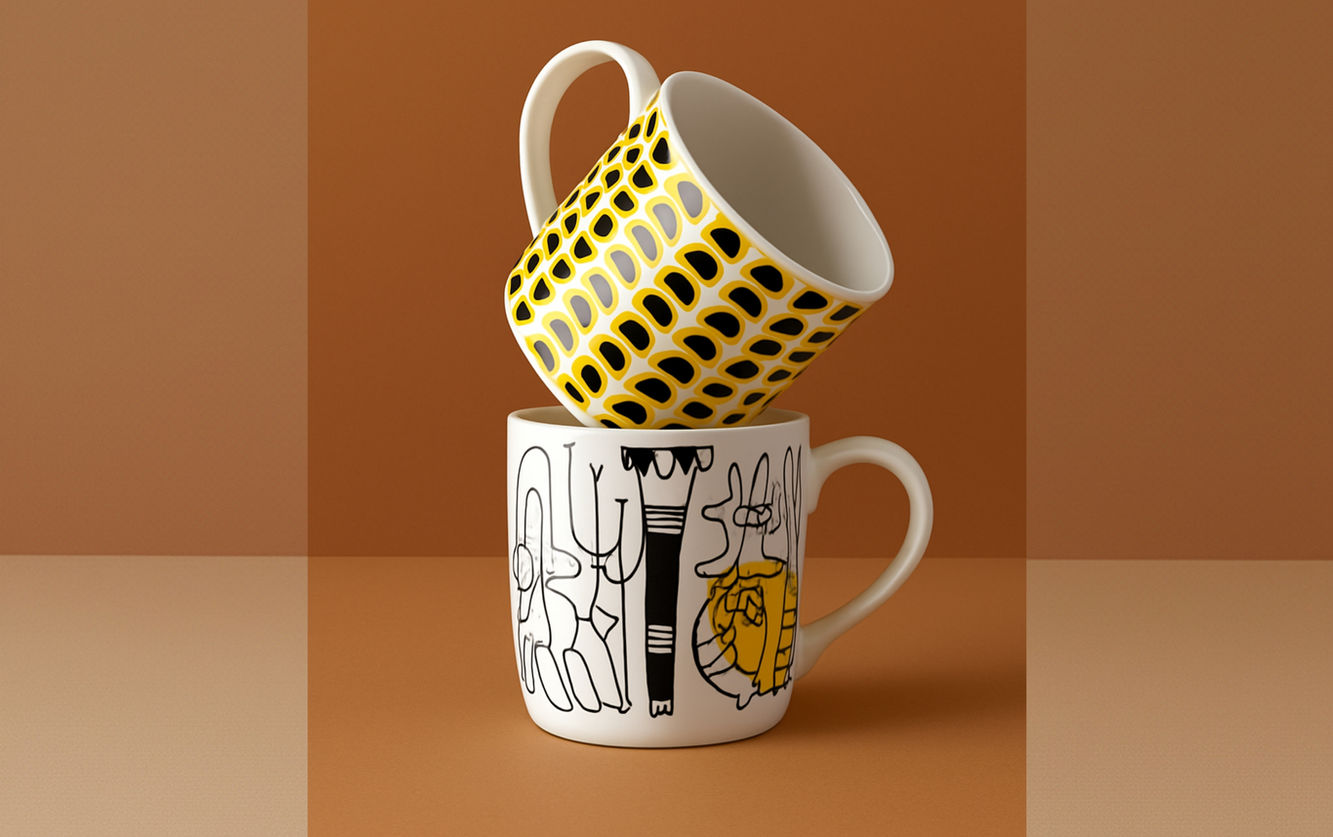
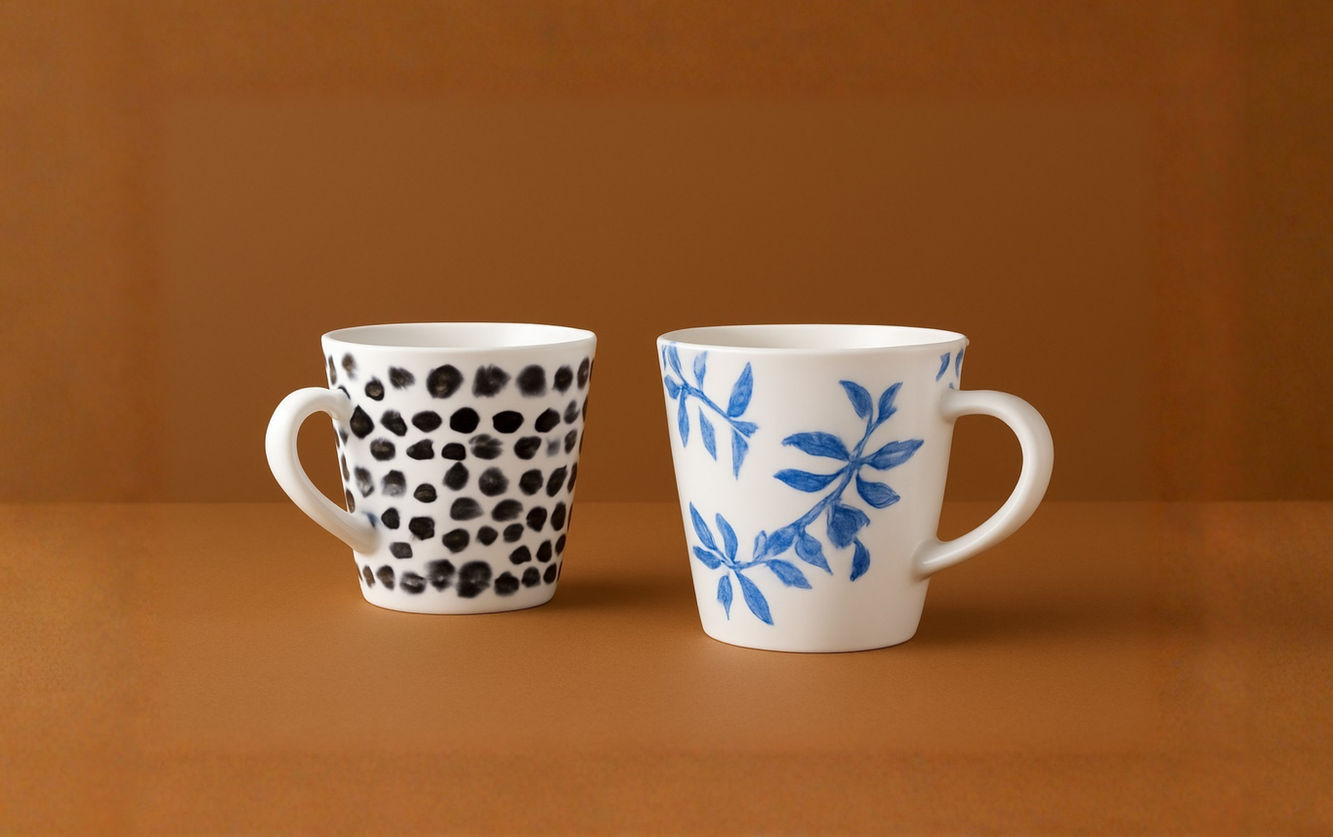
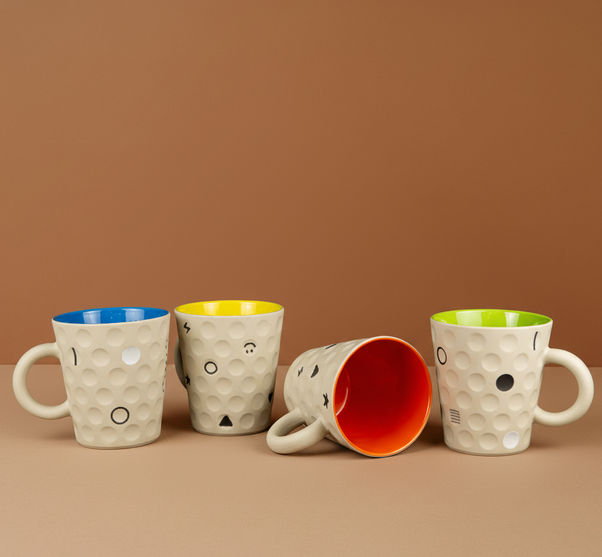
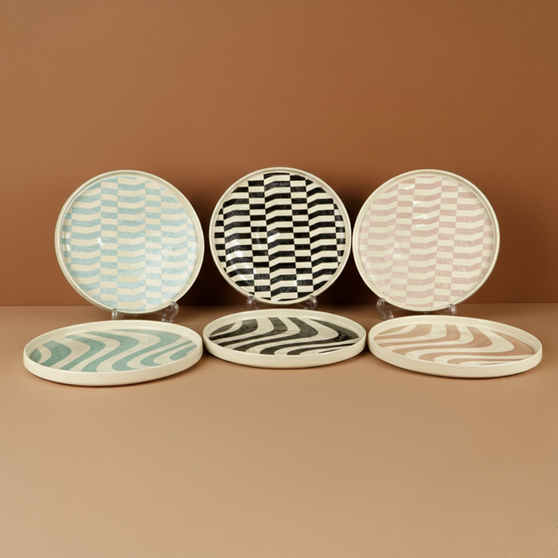
Wax resist ceramic tableware collection manufactured by Crown Ceramics
Custom wax resist stoneware plates and dinnerware sets on dining table
High capacity continuous kiln ceramic production facility in Ratchaburi

B2B Sourcing Guide & Technical OEM Manufacturing

Wax Resist Ceramics Sourcing Guide: B2B OEM/ODM Technical Specifications, Market Dynamics & Global Supply Chain Strategy

Engineered for procurement directors, commercial buyers, and tabletop brand managers. Discover how industrial wax-resist glazing delivers tactile, high-contrast ceramic tableware at global scale.

30+Years Export Experience
10M+Annual Piece Capacity
2Modern Production Facilities
95%Output Exported Worldwide

Industrial Manufacturing Standards

Mastering Wax Resist Ceramics for Global Retail & Hospitality Supply Chains

In the evolving landscape of global tabletop procurement, modern consumers and hospitality operators demand tableware that bridges raw tactile authenticity with commercial-grade durability. Wax resist ceramics have emerged as one of the most commercially sought-after decorative categories, providing striking visual contrast, multi-layered textures, and permanent pattern integrity. However, scaling wax resist production from studio craft to industrial-volume OEM output requires precise chemical formulation, controlled firing dynamics, and rigorous quality control.

At Crown Ceramics Company Limited, we have spent over three decades refining the science of high-temperature ceramic manufacturing across our facilities in Bangkok and Ratchaburi, Thailand. Producing over 10 million pieces annually across vitreous china, stoneware, and terracotta, we operate as a trusted OEM, ODM, and private-label manufacturing partner for leading retail chains, lifestyle brands, and commercial foodservice distributors across North America, Western Europe, Scandinavia, and Australia.

This technical sourcing guide explores the physical mechanics of wax-resist glazing, key structural parameters for high-volume orders, future material trends shaping global purchasing strategies, and how our ISO 9001 and ISO 14001 certified operations safeguard your supply chain integrity.

  • Technical Glaze Repellency: Formulated wax emulsions ensure zero pinholing and razor-sharp edge definition during high-speed dipping.
  • Vitrified Body Integrity: Combined with low-porosity stoneware (<3%) and vitreous china (<0.5%) for 100% dishwasher & microwave safety.
  • Certified Enterprise Scale: ISO 9001, ISO 14001, SMETA ethical compliance, and Authorized Economic Operator (AEO) customs clearance.
  • Complete Private Label Support: Customized backstamping, drop-tested retail packaging, and turn-key logistics planning.

Send an Inquiry

Master craftsman inspecting wax resist ceramic plate detail at Crown Ceramics factory

Technical Deep-Dive

The Material Science Behind Industrial Wax Resist Ceramics

Understanding the thermal and chemical interactions of wax-resist decorative processes ensures high yield rates, exact repeat matching, and long-term mechanical reliability.

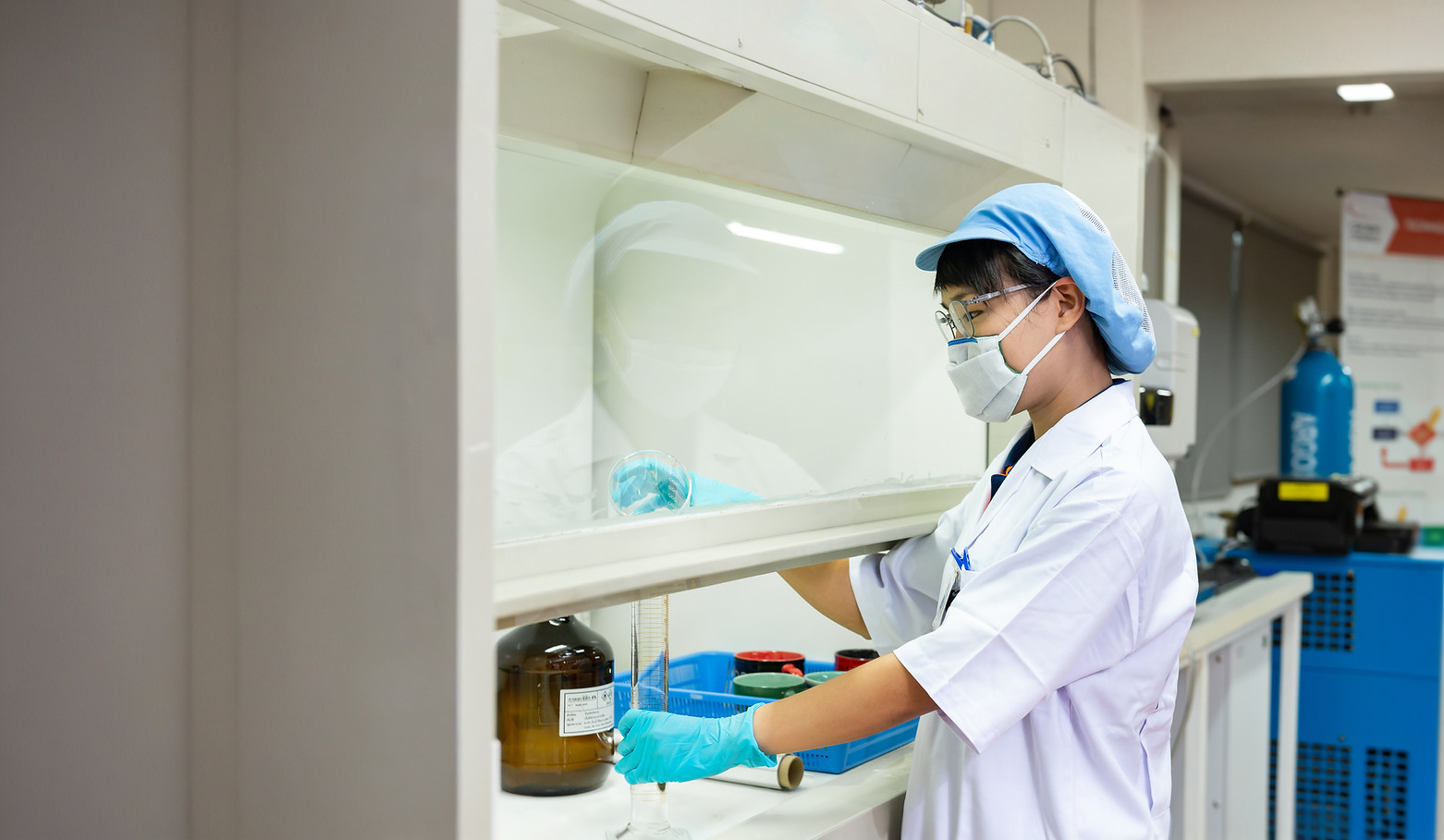
Quality control laboratory technicians testing ceramic body density and glaze fit

Hydrophobic Barrier Mechanics & Burnout Chemistry

The wax resist ceramic process relies on the fundamental principle of hydrophobic surface repulsion. A specialized liquid wax emulsion (composed of paraffin or synthetic water-based wax polymers, emulsifiers, and temporary organic dyes) is applied onto a bisque-fired ceramic body (typically fired at 900°C–1,000°C). When the piece is subsequently dipped into or sprayed with a water-based mineral glaze, the glaze fails to adhere to the waxed areas, creating negative space patterns or exposing raw body textures.

During the primary glaze firing cycle in continuous roller kilns (reaching temperatures between 1,180°C and 1,260°C), the organic wax medium undergoes complete pyrolytic decomposition (burnout) between 300°C and 500°C. To avoid surface defects such as carbon trapping, pinholing, or micro-blistering, kiln atmosphere oxidation levels and exhaust airflow must be precisely calibrated by automated SCADA control systems.

Automated Viscosity Deposition

Wax emulsions are maintained at fixed temperature and viscosity parameters to guarantee uniform line weights across multi-thousand unit production runs.

Thermal Expansion Matching

Body slip thermal expansion coefficients are closely matched with glaze formulas to eliminate crazing along unglazed wax-resist boundaries.

Dual-Glaze Resist Layering

Advanced wax-resist application allows secondary reactive glaze layering over base glazes, producing complex, multi-tonal tactile motifs.

Food Contact Surface Safety

Unglazed exposed clay areas on dining surfaces undergo ultra-fine mechanical polishing or micro-sealing to meet strict FDA and EU 84/500/EEC standards.

Curated B2B Collections

Recommended OEM/ODM Wax Resist Ceramic Categories

Tailored for high-end retail catalogs, commercial food service programs, and private label tabletop collections.

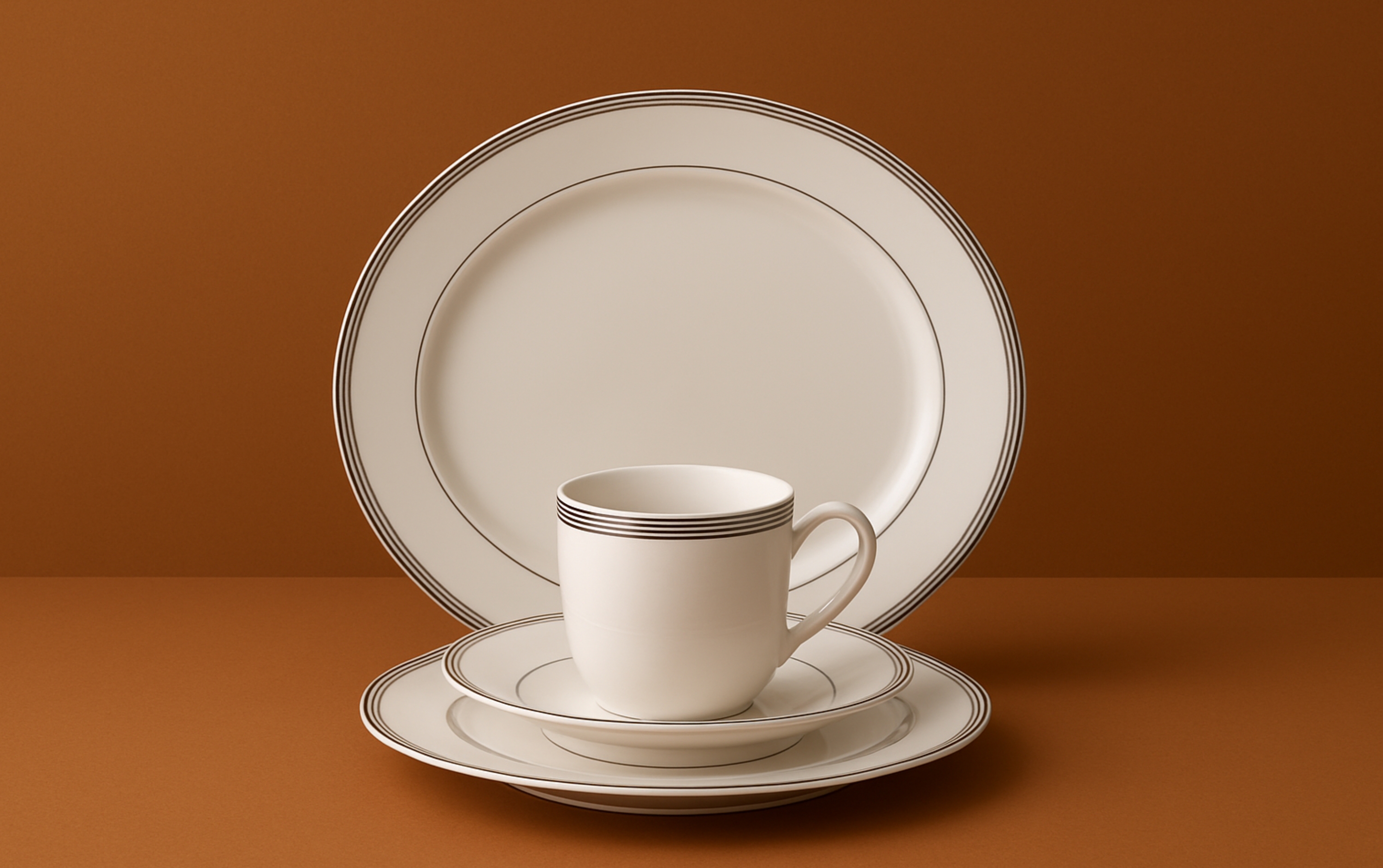
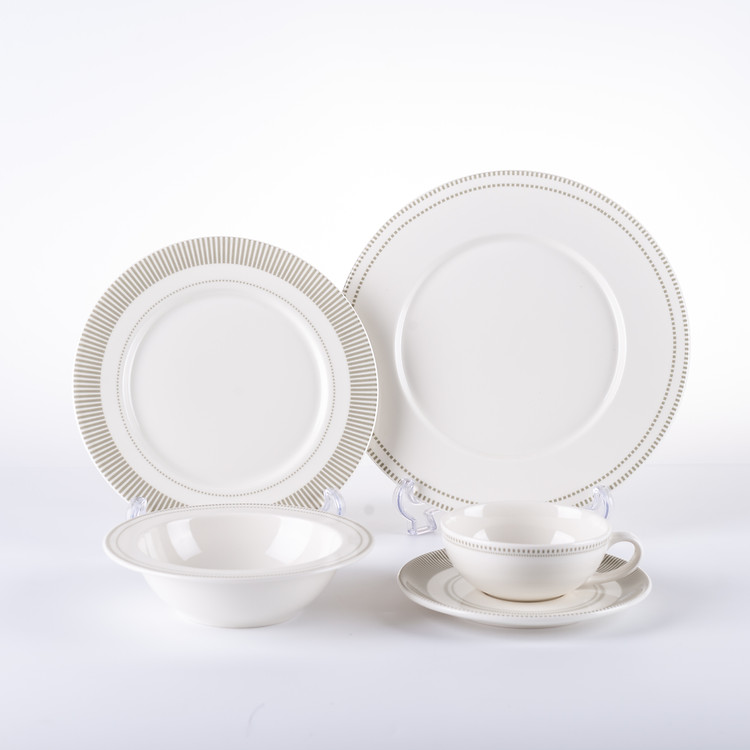
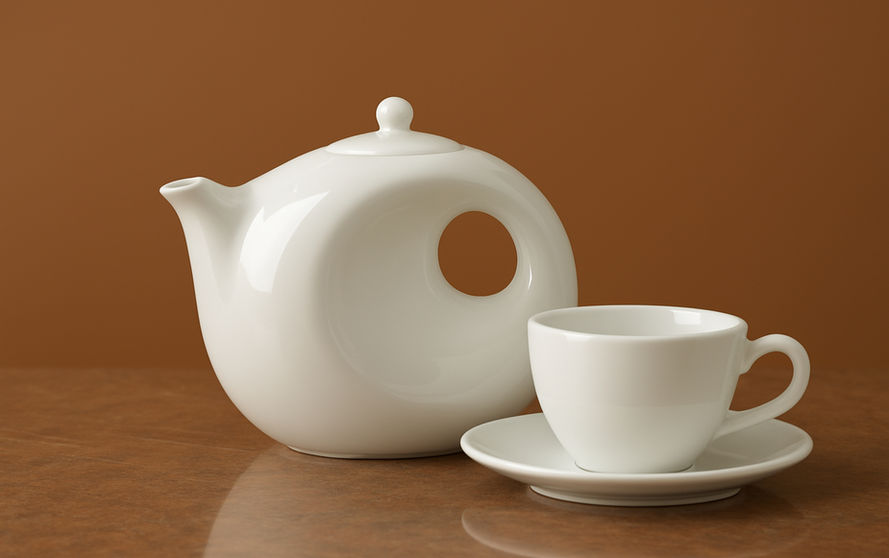
Vitreous china wax resist dinnerware plates

High-Impact Vitreous China Wax Resist

Engineered for high-volume hospitality and commercial foodservice environments. Features dense, low-porosity vitreous china bodies (<0.5% water absorption) decorated with subtle wax-resist rim patterns and matte contrast glazes.

  • Water Absorption< 0.5% (Vitrified)
  • Firing Temperature1,240°C – 1,260°C
  • Primary AdvantageImpact & Chip Resistant
  • Best ApplicationHotels, Fine Dining, Airlines
Send an Inquiry
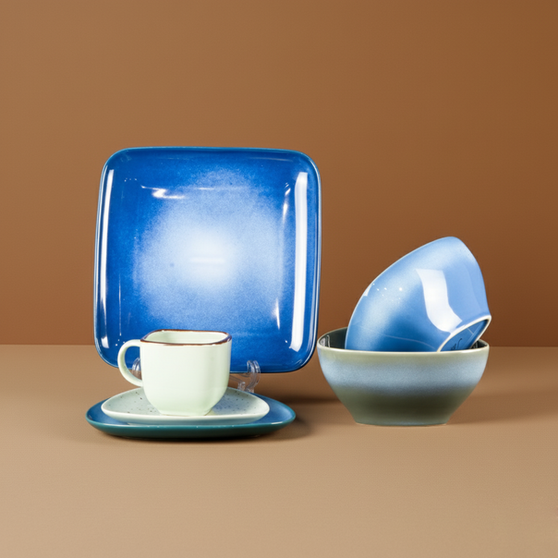
Reactive glaze stoneware bowls with wax resist decorative motifs

Artisanal Stoneware Wax Resist Dinnerware

The global benchmark for modern retail dining collections. Warm, earthy stoneware clay paired with geometric, organic, or floral wax-resist designs and translucent reactive glazes that emphasize natural color variation.

  • Water Absorption< 3.0%
  • Firing Temperature1,180°C – 1,220°C
  • Primary AdvantageTactile Depth & Contrast
  • Best ApplicationRetail Brands & Lifestyle Chains
Send an Inquiry
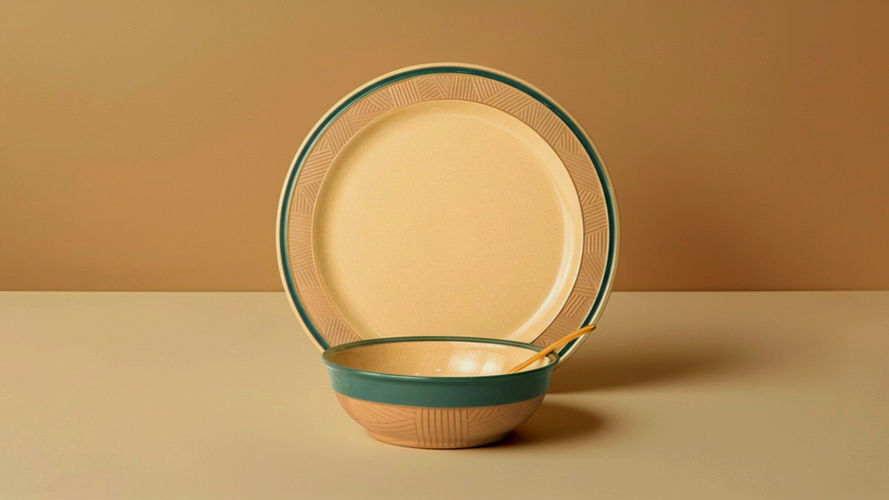
Terracotta serveware and bakeware with wax resist surface treatments

Terracotta & Red-Clay Wax Resist Serveware

Rich, natural terracotta red clay accented by contrasting white or earth-toned glazes using precision wax masking. Ideal for oven-to-table bakeware, tapas platters, sharing bowls, and rustic tabletop concepts.

  • Body DensityHigh Heat Retention Clay
  • Glaze OptionsFood-Safe Matte / Satin
  • Primary AdvantageRustic Thermal Performance
  • Best ApplicationBakeware & Tapas Serveware
Send an Inquiry

Buyer Evaluation Matrix

Technical Specification Comparison for Wax Resist Ceramics

Compare clay body characteristics, mechanical durability performance, and compliance metrics to align your product brief with factory manufacturing limits.

Technical Parameter Vitreous China Wax Resist Stoneware Wax Resist Terracotta Wax Resist
Water Absorption Rate < 0.5% (Impermeable) 1.0% – 3.0% (Semi-Vitrified) 5.0% – 8.0% (Porous base, glazed surface)
Peak Firing Temperature 1,240°C – 1,260°C 1,180°C – 1,220°C 1,050°C – 1,120°C
Thermal Shock Resistance Delta T 180°C (Pass) Delta T 150°C (Pass) Delta T 130°C (Pass)
Dishwasher Cycle Life > 5,000 Commercial Cycles > 1,500 Residential Cycles Hand-wash Recommended / Mild Cycle
Lead & Cadmium Release FDA & EU 84/500/EEC Compliant FDA & EU 84/500/EEC Compliant FDA & EU 84/500/EEC Compliant
Typical OEM MOQ 3,000 Pcs per shape/glaze 2,000 Pcs per shape/glaze 2,000 Pcs per shape/glaze

Strategic Sourcing Insights

As global retail buyers and hospitality procurement managers navigate changing consumer preferences, sourcing strategies for decorated ceramics are undergoing structural changes. AI-driven trend analysis and consumer purchasing insights reveal key directions for future product development:

1. Demand for Sensory & Multi-Textural Tabletop Experiences

Modern dining trends prioritize tactile engagement. Consumers are moving away from smooth, monochromatic glass-like ceramic surfaces in favor of dual-textured tableware. By leaving wax-resisted pattern areas raw or semi-buffed while glazing surrounding regions, manufacturers create a tactile contrast between silky glaze finishes and earthy clay textures that enhances sensory food presentation (often referred to as neuro-gastronomy framing).

2. Transition to Eco-Friendly Water-Soluble Wax Emulsions

Environmental compliance and carbon footprint reduction are central to global procurement mandates. Traditional solvent-based waxes are being replaced by bio-degradable, water-soluble paraffin-free emulsions. Crown Ceramics has integrated zero-VOC wax formulations that burn cleanly in our kilns, minimizing smoke emission and eliminating hydrocarbon residues on unfired clay surfaces.

3. Hybrid Surface Engineering (Wax Resist + Laser + Reactive Glaze)

Future growth lies in combining multiple decorative disciplines on a single piece. Sourcing teams are commissioning complex layered pieces: combining isostatic pressing for micro-embossed reliefs, laser-engraved stenciling for wax resist placement, and firing with reactive glazes that break over wax boundaries to create unique, hand-crafted variations in mass production.

4. Hospitality Modernization with Vitrified Wax Resist Tableware

The commercial foodservice industry is shifting away from plain white porcelain toward warm, artisanal aesthetic ranges that withstand severe back-of-house mechanical stress. Vitreous china with wax resist rim decorations offers restaurants an artisanal aesthetic backed by high edge-strength, low water absorption, and complete scratch resistance during high-stacking storage.

Send an Inquiry

Automated continuous production line for glazing and firing wax resist tableware

Why Partner With Crown Ceramics

Industrial Infrastructure & Global OEM Engineering Capabilities

Executing high-volume OEM/ODM wax resist ceramic programs demands more than aesthetic design skills; it requires robust factory infrastructure, stringent supply chain controls, and certified environmental compliance. Crown Ceramics provides global buyers with an integrated production ecosystem designed to de-risk volume procurement.

1. Dual Production Hubs in Thailand

Operating two dedicated production facilities in Bangkok and Ratchaburi province, our total manufacturing area spans thousands of square meters equipped with high-efficiency continuous roller kilns, shuttle kilns, and automated spray lines. This multi-plant operational setup guarantees business continuity and flexible scheduling for large container contracts.

2. Complete In-House R&D and Development Studio

Our engineering laboratory handles every phase of development under one roof—from raw clay body formulation, slip preparation, and master mold carving to proprietary wax emulsion compounding and glaze matching. By maintaining full R&D control, we reduce sample development cycles to 7–14 days while ensuring exact color and structural matching.

3. Rigorous Quality & International Compliance Assurance

Every production lot undergoes rigorous laboratory analysis prior to export. We perform atomic absorption spectrometry for heavy metal release (FDA/EU compliance), spectrophotometer color matching, thermal shock endurance testing, and ISTA 1A/3A package drop testing to prevent breakage during global transit.

  • ISO 9001:2015 Certified: Systematic Quality Management System across slip casting, pressing, glazing, and packing.
  • ISO 14001:2015 Certified: Environmental Management featuring heat recovery kilns and internal clay recycling systems.
  • SMETA Ethical Audit: Full social responsibility, labor safety, and fair working standards verification.
  • Authorized Economic Operator (AEO): Streamlined customs processing for rapid international shipping clearance.

Send an Inquiry

Aerial view of Crown Ceramics state of the art factory facility in Thailand

Certified Quality & Compliance Standards

Independent global accreditations verifying our commitment to product safety, ethical labor, and environmental stewardship.

ISO 9001 certified quality management system logo
ISO 9001 Quality
ISO 14001 certified environmental management system logo
ISO 14001 Environmental
SMETA ethical trade audit accreditation logo
SMETA Ethical Trade
AEO Authorized Economic Operator customs certification logo
AEO Secure Customs
Food contact safety compliance mark for international tableware export
Food Contact Safe

Seamless OEM / ODM Execution

The Crown Ceramics 5-Stage OEM Development Process

Our structured workflow ensures transparent milestone tracking from initial design brief through container departure.

1. Brief & CAD Modeling

Review of technical drawings, 2D vector motifs, target price points, and clay body selection. CAD 3D models generated within 48 hours.

2. Prototype & Stencil Tooling

3D-printed sample verification followed by master mold cutting and precision wax-resist stencil screen preparation.

3. Glaze Lab Matching

Compounding custom glaze formulations and running pilot kiln firings to verify wax separation, edge resolution, and color fit.

4. Pre-Production Sign-Off

Physical sample delivery to buyer laboratory for heavy-metal testing, dishwasher validation, and aesthetic approval.

5. Mass Kiln Run & Logistics

Continuous roller-kiln mass production, 100% inline visual QC, drop-test packing, and AEO container export dispatch.

Technical Sourcing FAQ

Frequently Asked Questions on Wax Resist Ceramics Procurement

Addressing core technical, compliance, and logistics questions from professional buying teams and sourcing specialists.

The wax resist ceramic technique involves applying a wax emulsion—either by precision mechanical spraying, silkscreen printing, or hand dipping—onto a bisque-fired ceramic clay body prior to dipping into a liquid glaze. Because the glaze is water-based, it repels off the hydrophobic wax surfaces during immersion. When fired in our roller kilns at temperatures up to 1,260°C, the organic wax burns away cleanly at ~300°C–500°C, exposing the underlying raw clay body or an initial base glaze layer in crisp contrast to the surrounding glazed surface.

Yes, absolutely. All wax resist ceramics manufactured by Crown Ceramics undergo high-temperature firing (1,180°C to 1,260°C), fully vitrifying the clay body. Water absorption is maintained below 0.5% for vitreous china and under 3.0% for stoneware. Because the wax medium completely burns off during firing, no organic residue remains. The resulting exposed ceramic patterns are thermally stable, scratch resistant, 100% microwave safe, and engineered to endure thousands of commercial dishwasher wash cycles without glaze degradation or staining.

Our standard Minimum Order Quantity (MOQ) for custom OEM/ODM wax resist ceramic collections is 2,000 pieces per shape and decoration for stoneware or terracotta bodies, and 3,000 pieces for vitreous china lines. Initial prototype development and glaze matching typically require 14 to 21 days. Once pre-production samples are formally approved, mass manufacturing and container loading are completed within 60 to 90 days depending on order complexity and shipping schedules.

Defect prevention is controlled through strict chemical and thermal monitoring. We formulate wax emulsions with proprietary viscosity modifiers to prevent glaze bleed across pattern borders. Additionally, our continuous roller kilns feature SCADA-managed atmospheric zoning. Ample oxygen velocity during the 300°C–500°C pre-heat phase ensures complete pyrolytic carbon burnout of the wax medium before glaze melting begins, entirely eliminating pinholes, black spots, or blistering.

Yes. All raw clay bodies used in our wax resist formulations are non-toxic, lead-free, and cadmium-free. Internal laboratory testing, validated by independent testing agencies such as SGS and Bureau Veritas, confirms full compliance with US FDA food contact requirements, California Proposition 65, and European Directive 84/500/EEC. For food-contact surface zones featuring wax resist elements, we utilize micro-polishing or food-safe satin sealers to maintain cleanability while preserving tactile texture.

Yes. Our color development laboratory utilizes spectrophotometer analysis to match custom Pantone (PMS) references, reactive glaze effects, or matte/gloss combinations. Private label branding—including custom backstamps, laser-etched logos, retail gift boxes, barcode labeling, and inner master carton artwork—is seamlessly integrated into your OEM production run.

Start Your OEM Project

Request Technical Specifications & Factory Quotation for Wax Resist Ceramics

Connect directly with our engineering team to review technical drawings, request sample tiles, or evaluate container pricing for your upcoming tabletop collection.